
Easy Cauliflower Pizza Crust Recipe
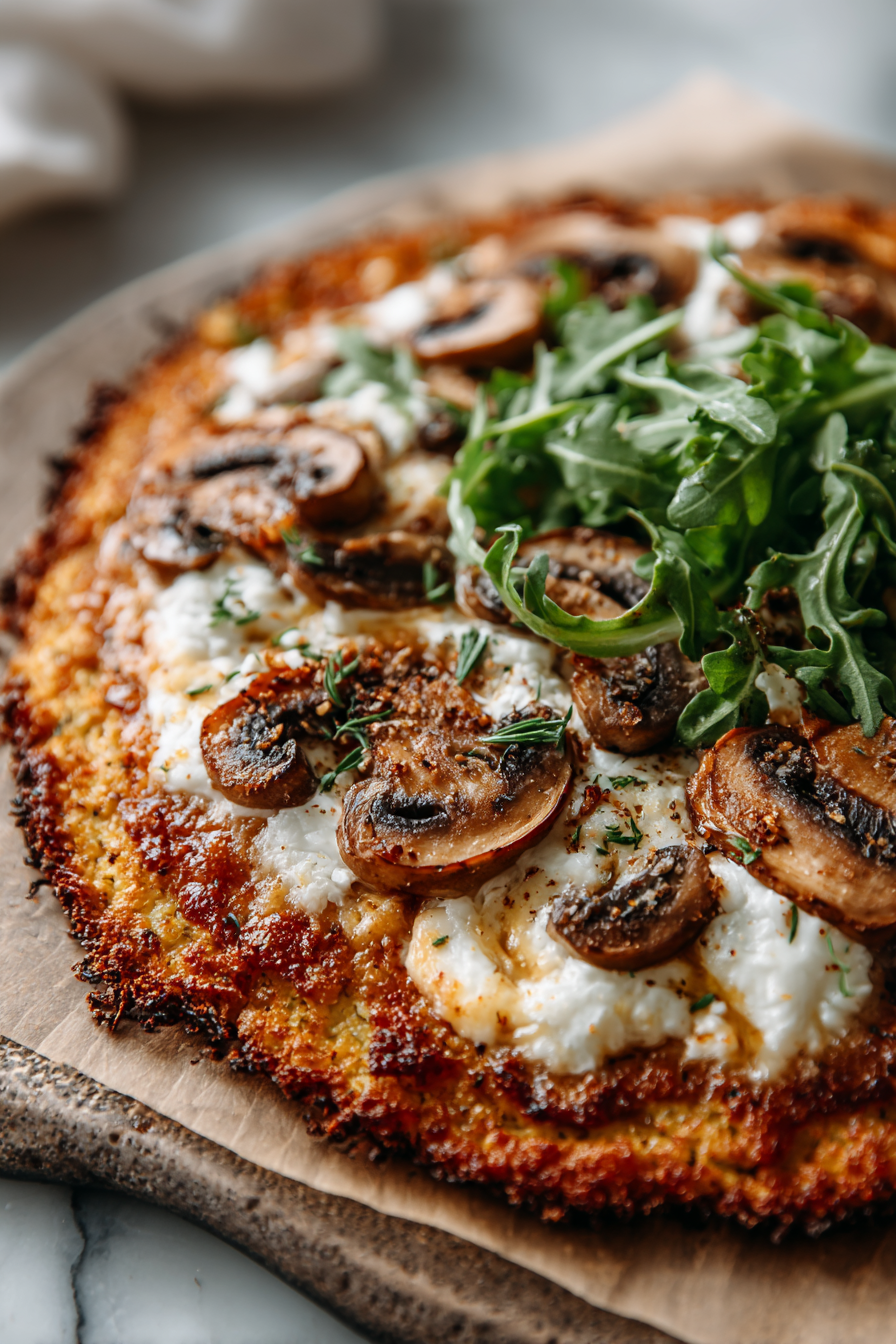
This cauliflower pizza crust is an easy, weeknight-friendly way to enjoy pizza without the heavy wheat base. It’s light, crisp around the edges when baked properly, and holds up well to toppings—so you get the comfort of pizza with more vegetables and fewer carbs. What makes it special is how versatile it is: you can keep it classic with tomato and mozzarella, or build a bright, veggie-forward pie that still feels indulgent.
My husband and our little kiddo call it “our green pizza,” which always makes me smile. I started making this when I wanted pizza that felt a bit lighter after busy weekends, and it quickly became a Sunday-night tradition—everyone gets to pick a topping, and the crust is the compromise we all agree on. One night we tried a cheesy pesto version and my husband proclaimed it “better than delivery,” which is high praise in our house.
Why You’ll Love This Easy Cauliflower Pizza Crust Recipe
– It’s a lighter, vegetable-first take on pizza that still crisps up and holds toppings.
– Comes together with a short ingredient list and minimal hands-on time.
– Flexible—works with gluten-free and lower-carb diets when you swap a couple of items.
– A great way to sneak extra veggies into a family meal without sacrificing flavor.
Behind the Recipe
I learned the hard way that moisture is the enemy here: cauliflower that hasn’t been drained well will leave you with a floppy crust. Once I committed to squeezing out every bit of water and giving the crust a short bake before topping, the texture improved dramatically. Another insight: a little extra cheese in the mix helps bind things and boost flavor, but you can balance it with herbs and spices to keep the profile interesting. Finally, patience pays—letting the crust rest for a few minutes after baking firms it up and makes slicing much neater.
Shopping Tips
– Vegetables: Choose a firm, fresh head of cauliflower or a good-quality riced cauliflower; avoid limp heads with brown spots.
– Eggs: Use large eggs at room temperature for the best binding; cold eggs can make the mix a little sluggish.
– Cheese: Freshly grated parmesan or a blend of parmesan and mozzarella gives flavor and helps the crust set—pre-shredded bags save time but resist the ones with anti-caking additives for best melt.
– Baking Basics (Flour/Sugar/Leaveners): A small amount of starch or flour (gluten-free or regular) helps with structure—pick one you’re comfortable with and read labels if avoiding gluten.
– Fats & Oils: Use a neutral oil for the pan and a little olive oil on top for flavor; a nonstick surface or parchment makes removal easier.
Prep Ahead Ideas
– Rice the cauliflower and store it tightly covered in the fridge for up to 2 days, or freeze flat in a freezer bag for longer.
– Grate cheeses and keep them in airtight containers so topping assembly is quick.
– Mix the seasoning blend (dried herbs, garlic powder, salt) in a small jar ahead of time to speed mixing.
– If you like partially-baked crusts, you can fully bake them, cool, and refrigerate for up to 48 hours—reheat and add toppings when ready.
Time-Saving Tricks
– Use store-bought riced cauliflower to shave prep time—just be sure to thaw and squeeze well if frozen.
– Pre-grate your cheese or buy fresh shredded (not pre-blended) to cut down hands-on minutes.
– Bake the crust on a preheated baking sheet or pizza stone to get a crisper bottom without long oven time.
– Do your mise en place: have toppings chopped and sauces ready before the crust finishes its first bake.
Common Mistakes
– Not draining the cauliflower enough: this makes the crust soggy—wrap the cooked riced cauliflower tightly in a clean tea towel and squeeze until mostly dry.
– Overloading with toppings: too many wet toppings will weigh the crust down—use a thinner layer of sauce and avoid puddles.
– Skimping on binder: if you omit eggs or cheese without a good alternative, the crust won’t hold—use a tested swap like a flax egg plus a bit more starch.
– Rushing the bake: underbaked crusts are floppy—give the base a short bake before adding toppings and finish under the broiler if you want extra color.
What to Serve It With
Serve this crust with a crisp green salad, a simple lemony arugula salad, or roasted vegetables. It also pairs well with a light soup (think tomato or minestrone) for a cozy meal.
Tips & Mistakes
A pizza stone or hot baking sheet helps the bottom crisp. If you find edges are browning too quickly, tent loosely with foil while the center finishes. And remember: a quick blast under the broiler at the end gives toppings beautiful color but watch it closely.
Storage Tips
Store in airtight containers in the fridge. It reheats beautifully, but if you sneak a bite cold straight from the container, it still works. For longer storage, freeze fully cooled crusts or topped pizzas individually wrapped for up to 2 months; reheat in a hot oven to re-crisp.
Variations and Substitutions
Swap parmesan for nutritional yeast for a dairy-free umami boost, or use a bit of almond or chickpea flour as your binder if avoiding gluten and eggs. For a thinner, crispier crust, press the cauliflower mixture as thin as you can and bake on a preheated stone. Some substitutions change texture—if you’re after the classic chewy pizza bite, the traditional dough is worth keeping.