
Hawaiian Chicken Sheet Pan Dinner
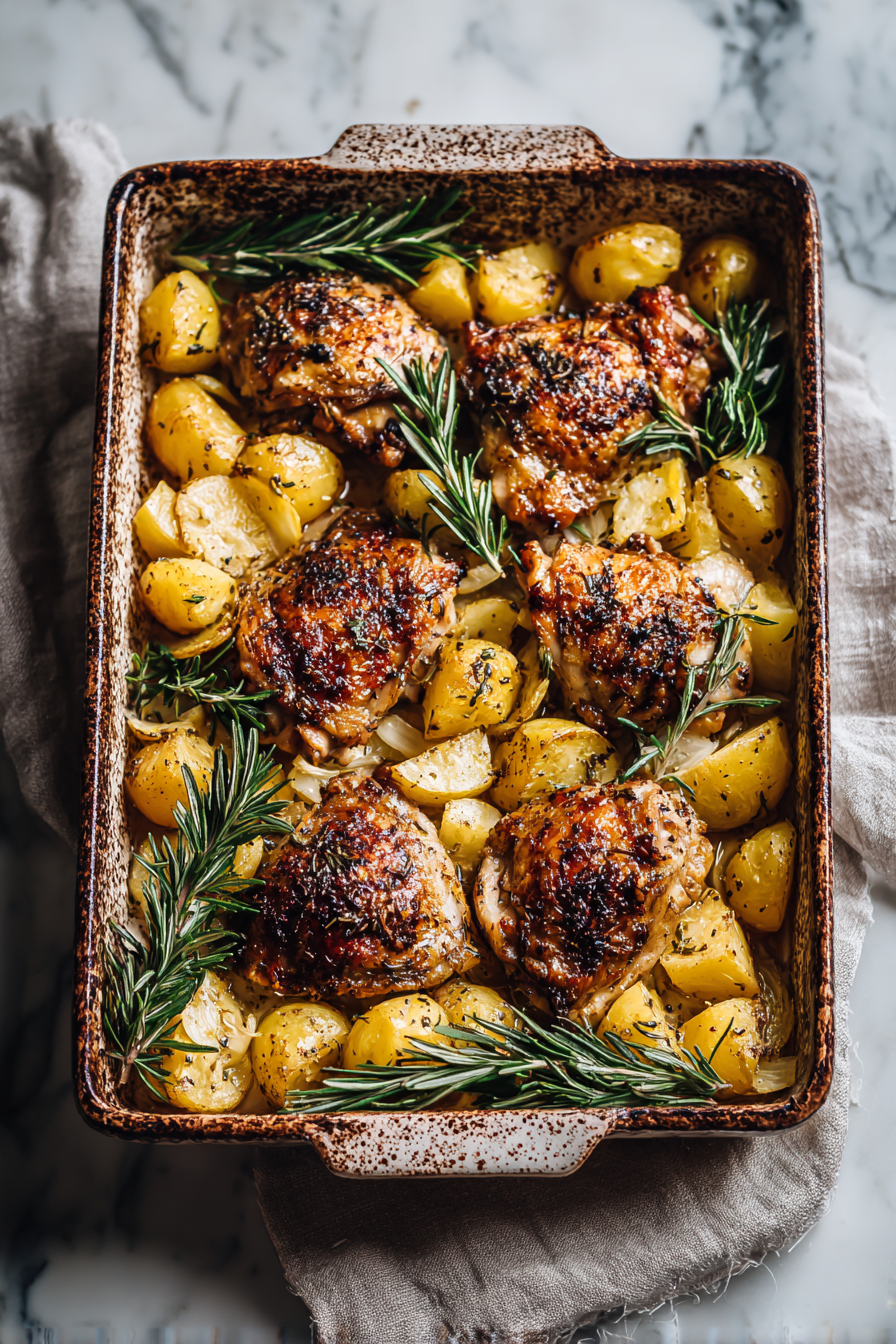
This sheet-pan dinner is bright, a little sweet, a little savory, and the kind of weeknight meal that feels like a mini celebration without any fuss. Tender oven-roasted chicken meets caramelized pineapple and crisp-tender peppers, all glazed with a sticky, tangy sauce that soaks into everything. It’s one-pan comfort with a tropical flip — quick to throw together, easy to scale, and great for feeding a picky crowd or a hungry family.
My husband calls this our “make-happy” dinner. The kids light up when they smell the pineapple caramelizing, and he always fights me for the edges where the chicken and sauce get properly charred. It started as a last-minute idea when I had chicken and half a pineapple in the fridge, and now it’s one of those recipes that reliably shows up on Sundays for meal prep or on Thursday nights when everyone needs something joyful and low-effort.
Why You’ll Love This Hawaiian Chicken Sheet Pan Dinner
– It’s a full meal from one pan — chicken, veggies, fruit, and sauce all roast together so you spend less time cooking and more time eating.
– The sauce balances sweet, salty, and a touch of acid, which keeps the dish bright instead of cloying.
– Hands-off oven time means you can make a side, set the table, or help with homework while it cooks.
– Versatile for weeknight dinners, casual entertaining, or meal prep — leftovers reheat well and taste great over rice.
Behind the Recipe
This dish is built on contrasts: juicy pineapple against savory chicken, soft roasted onions and peppers against edges that crisp in the oven. I learned to toss the pineapple on later in the roast when I first made it — too long in the heat turns it mushy — and that a quick broil at the end rewards you with those delightfully caramelized bits. Little touches like a splash of rice vinegar or citrus to brighten the glaze, and resting the chicken briefly after it comes out of the oven, keep the texture and flavors balanced. People often expect a complicated list of steps for “restaurant-worthy” results, but for this recipe, timing and a confident hand with the oven are what matter.
Shopping Tips
– Protein: Choose bone-in thighs for juiciness and forgiving cooking, or boneless breasts if you need a quicker, leaner option; both work well with the glaze.
– Produce/Fruit: Look for ripe, fragrant pineapple — it should give slightly when pressed and smell sweet at the stem end for the best flavor.
– Vegetables: Pick colorful bell peppers and a firm red onion for sweetness and texture; aim for similar-sized pieces so everything roasts evenly.
– Fats & Oils: Use a neutral oil for roasting and a small amount of sesame oil or toasted oil in the sauce for authentic depth; avoid extra-virgin olive oil for high-heat roasting.
– Sweeteners: Brown sugar, honey, or maple syrup all work in the glaze — choose based on what’s in your pantry or the flavor profile you prefer.
Prep Ahead Ideas
– Marinate the chicken and mix the sauce the night before; keep them separate in airtight containers and pull them out to come to room temperature before roasting.
– Core and chop the pineapple, slice peppers and onions, and store in a sealed container for up to 24 hours so assembling is fast.
– Pre-measure the sauce ingredients into a jar and shake to combine in the morning — it saves time and reduces bowls.
Time-Saving Tricks
– Use the oven’s convection setting if you have it for quicker, more even roasting and crisper edges.
– Buy pre-cut pineapple or pre-sliced bell peppers if you’re short on prep time; drain any canned fruit well to avoid excess liquid.
– Lay everything out on a large rimmed sheet pan and toss quickly to coat — mise en place (ingredients in order) makes the whole process feel faster.
Common Mistakes
– Overcrowding the pan: If pieces are jammed together they steam instead of roast; use two pans or a larger sheet if needed.
– Leaving pineapple in too long: I once roasted it the whole time and ended up with a plate of mush; add fruit mid-roast if your chicken needs longer.
– Under-seasoning the sauce: The glaze needs a confident balance of salt and acid — taste and adjust before tossing it on the pan.
– Rescue tip: If the sauce is too thin after roasting, simmer it briefly on the stove to reduce and thicken, then drizzle back over the chicken.
What to Serve It With
– Steamed jasmine or brown rice soaks up the glaze nicely.
– A crisp green salad or quick slaw with lime and cilantro brightens the plate.
– Coconut rice or quinoa gives it a slightly richer, nutty backdrop.
– For a lighter side, roasted broccoli or snap peas finished with a squeeze of lemon are great companions.
Tips & Mistakes
– Don’t be shy with high heat at the end to get charred edges — that’s where flavor concentrates. Just watch closely during the broil step.
– If you prefer less sweetness, cut the sweetener in the glaze by a third and add an extra splash of acid (rice vinegar or lime juice) to maintain balance.
Storage Tips
Store in airtight containers in the fridge. It reheats beautifully, but if you sneak a bite cold straight from the container, it still works.
Variations and Substitutions
– Swap chicken for tofu or tempeh (press the tofu first) for a vegetarian option; increase roasting time slightly for firmer texture.
– Use tamari or coconut aminos to make the glaze gluten-free while keeping savory depth.
– Try swapping pineapple for mango in summer for a different fruity note, but keep an eye on cooking time as mango softens faster.
– If you prefer less sugar, substitute honey or maple syrup and reduce the quantity by about 25 percent, then taste and adjust.
Write me the frequently asked questions and answers Hawaiian Chicken Sheet Pan Dinner in the same way as the example below.