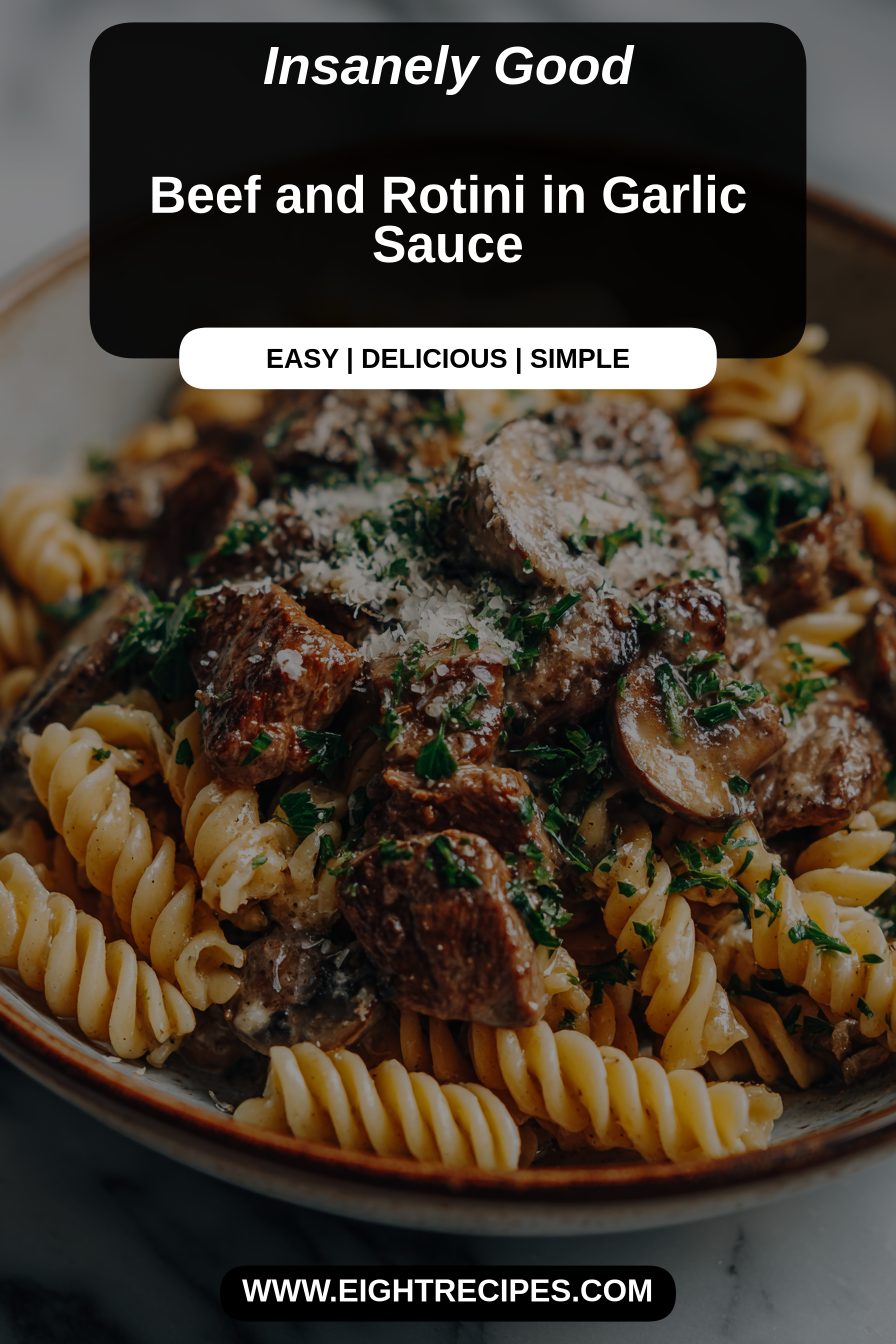
Beef and Rotini in Garlic Sauce
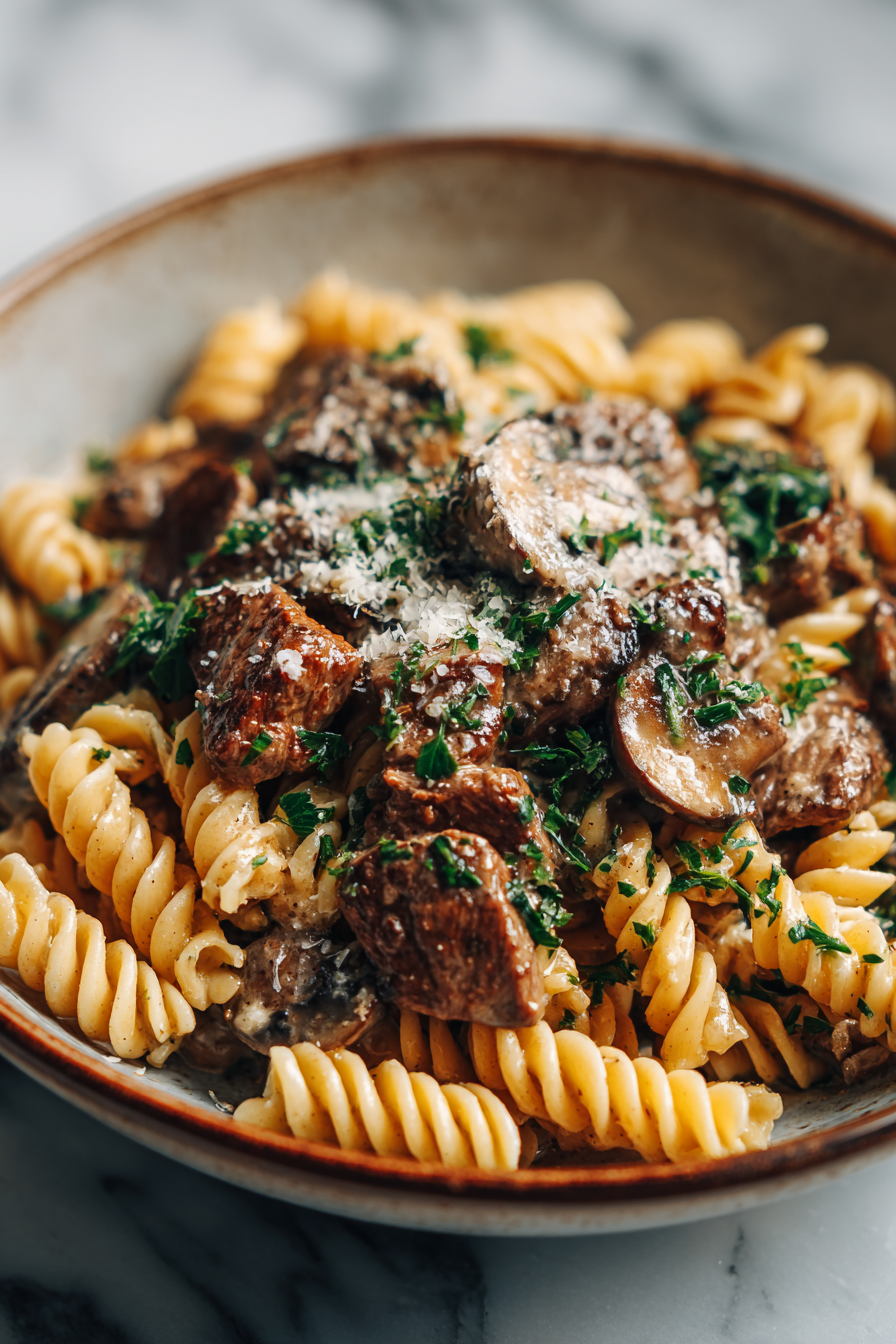
This rich, garlicky skillet of tender beef and corkscrew rotini tossed in a glossy, savory sauce is the sort of weekday meal that feels like a treat without any fuss. It’s built on quick searing, a fragrant garlic base, and a simple pan sauce that clings to the pasta — comforting, balanced, and very, very satisfying.
My little family goes wild for this one. My husband calls it “kitchen magic” because I can pull it together while he corrals the kids and sets the table; the kids, who are suspicious of most green things, happily ask for seconds because the sauce feels familiar and cozy. It started as a clean-out-the-fridge project and became a reliable favorite on nights when we want something warm and homey that still tastes special.
Why You’ll Love This Beef and Rotini in Garlic Sauce
– It’s quick to make but tastes like you fussed for an hour: hot pan, caramelized beef, and garlic-forward sauce create layered flavor fast.
– Rotini’s grooves catch the sauce, so every bite has that savory, garlicky coating you crave.
– Flexible protein and vegetable choices make it easy to adapt to what’s in your fridge or to dietary needs.
– It stores and reheats exceptionally well, which makes it perfect for leftovers or packed lunches.
Behind the Recipe
This dish evolved out of a few guiding principles: use a high-heat sear to get deep flavor on the beef, keep the sauce concentrated so it doesn’t become watery when tossed with pasta, and season gradually—taste as you go. Common missteps are overcrowding the pan while browning the meat (which steams instead of sears) and adding too much liquid to the sauce, which dilutes the garlic punch. A splash of something acidic at the end (a squeeze of lemon or a dash of vinegar) brightens the whole pan and is an easy finishing trick I use almost every time.
Shopping Tips
– Protein: Choose flank or sirloin for quick, tender slices; look for bright-red meat with minimal marbling if you prefer leaner cuts. Ask the butcher to slice it thinly across the grain if you don’t want to do it at home.
– Grains/Pasta: Rotini is ideal because its spirals hold sauce, but any short, ridged pasta works; buy good-quality durum semolina for better texture.
– Vegetables: Pick firm, crisp bell peppers and onions—avoid anything soft or spotted. Mushrooms should be dry and springy, not slimy.
– Spices: Fresh garlic is a must for that bright, pungent garlic sauce; keep red pepper flakes on hand if you like a gentle heat.
– Fats & Oils: Use a neutral high-heat oil (canola, grapeseed) for searing and finish with a small pat of butter or a splash of toasted sesame oil for depth.
Prep Ahead Ideas
– Slice the beef, mince the garlic, and chop vegetables the day before; store each in separate airtight containers or zipper bags to keep flavors distinct.
– Cook the rotini slightly under al dente ahead of time and toss with a teaspoon of oil so the noodles don’t stick; refrigerate in a shallow container for up to 24 hours.
– Make the sauce base (garlic, aromatics, and any seasoned liquids) and keep it chilled; reheat gently and finish with fresh herbs before tossing with pasta.
– Pre-marinated beef will keep in the fridge for a day; if you marinate longer, use an acid-free mix (oil and herbs) to avoid mushy meat.
Time-Saving Tricks
– Use one large skillet to sear the beef, sauté vegetables, and finish the sauce for minimal dishes and faster transitions.
– Buy pre-cut vegetables or use a frozen pepper-and-onion mix when you need dinner on the table in a rush.
– Do mise en place: have garlic, sauces, and drained pasta measured and nearby so you can build the sauce at pan speed.
– Par-cook the pasta while you brown the beef; by the time the meat rests a minute, the pasta will be ready to finish in the pan.
Common Mistakes
– Overcrowding the pan when browning beef: I did this once and ended up with gray, steamed strips—remove meat in batches so each piece gets contact with the hot surface.
– Letting the sauce get too thin: if it’s watery, simmer to reduce or stir in a spoonful of butter or a cornstarch slurry to bring it back.
– Overcooking the pasta: it should finish cooking in the sauce for best texture; rinse only if you must, and preferably don’t.
– Over-salting early: soy or other salty ingredients can quickly push a dish too salty—season incrementally and taste before serving.
What to Serve It With
Serve this with a crisp green salad dressed with lemon vinaigrette, a simple cucumber-tomato salad, or roasted broccoli. A hunk of crusty bread for sopping up the sauce is always welcome, and a bowl of steamed greens adds color and balance.
Tips & Mistakes
If the beef is slightly underdone when you toss everything together, allow it to rest in the hot pan with the sauce for a minute—the residual heat finishes it without drying it out. If the sauce seems flat, a small splash of rice vinegar or lemon will lift the flavors instantly.
Storage Tips
Store in airtight containers in the fridge. It reheats beautifully, but if you sneak a bite cold straight from the container, it still works. Reheat gently on the stove with a splash of water or broth to loosen the sauce; frozen for up to 2 months in a freezer-safe container works too, though texture is best within a few weeks.
Variations and Substitutions
– Swap sirloin for thinly sliced chicken breast or turkey for a lighter option; ground beef or pork will also work but change the texture.
– For a vegetarian version, use firm tofu or a mix of mushrooms and eggplant, and substitute vegetable stock for any meat-derived liquid.
– Replace soy sauce with tamari for gluten-free or coconut aminos for a milder, slightly sweeter profile.
– Want more heat? Add chili garlic sauce or chopped fresh chilies; prefer mellow? Omit red pepper flakes and finish with a touch of butter.