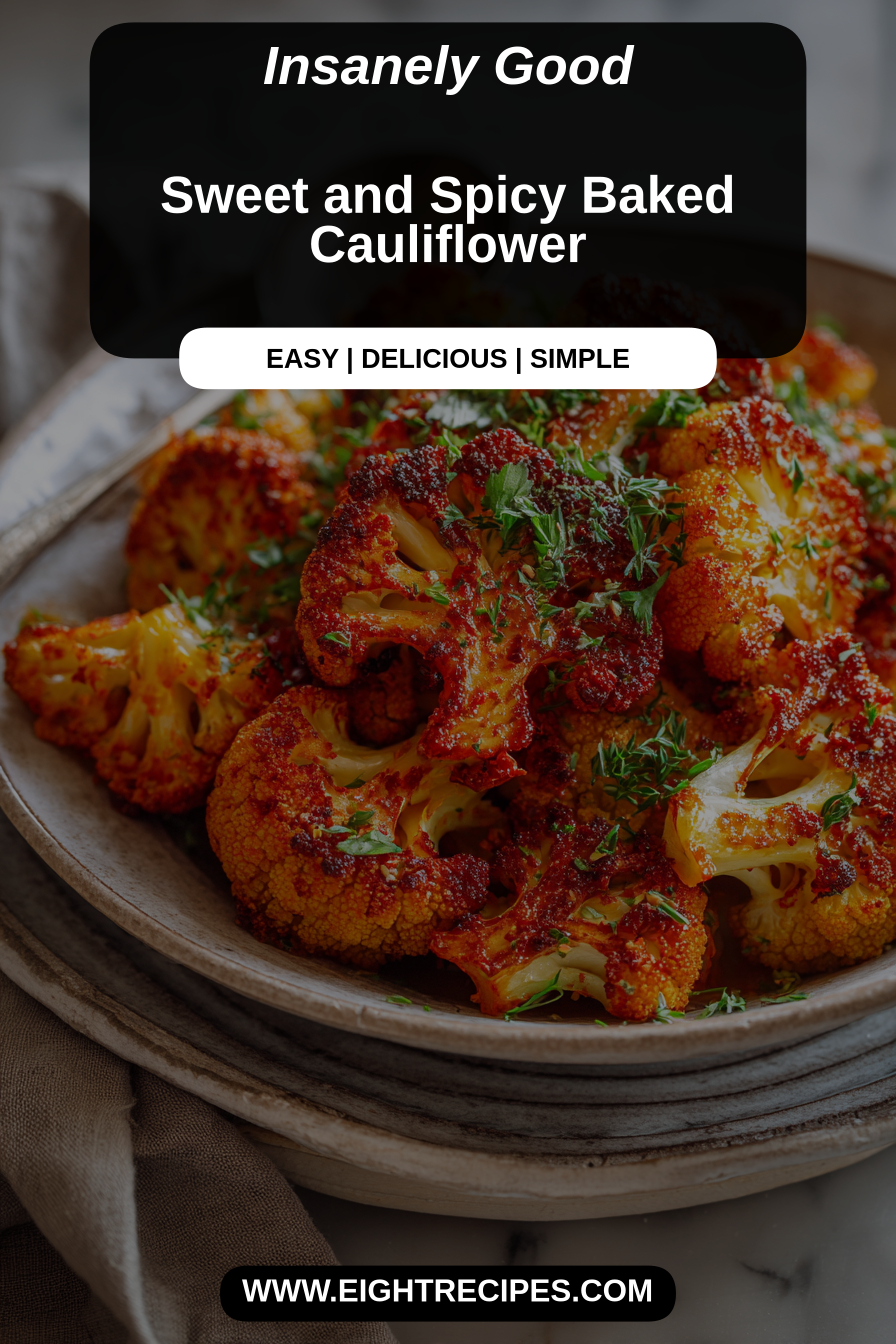
Sweet and Spicy Baked Cauliflower
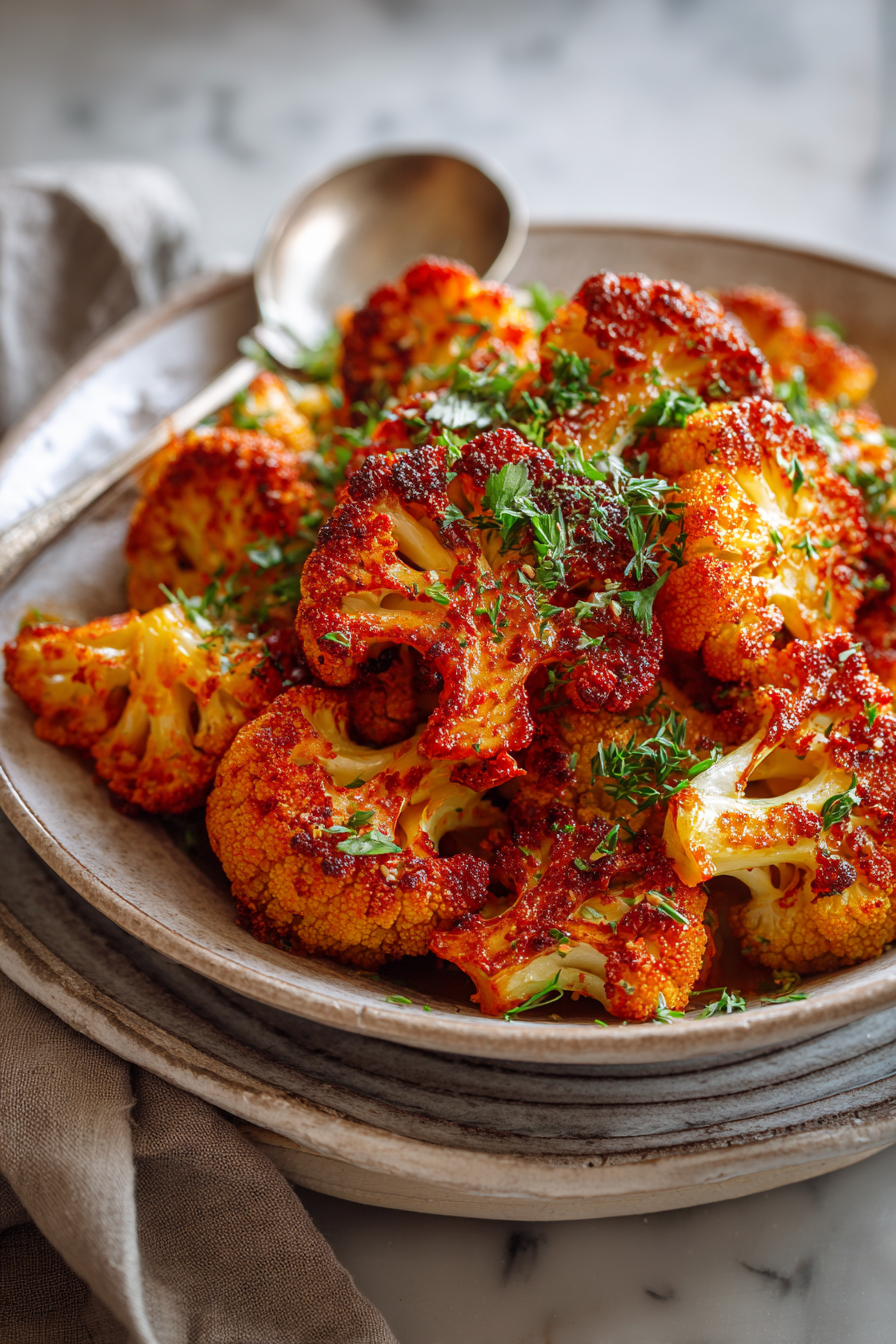
Crispy, slightly charred florets coated in a glossy sweet-and-spicy sauce — this is my go-to when I want something that feels a little indulgent but is mostly vegetables. Sweet and Spicy Baked Cauliflower hits that sweet spot: easy enough for weeknights, special enough for company, and stubbornly addictive for everyone at my table.
My husband is the kind of person who’ll declare a dish “keeper” only after a few repeat requests; this cauliflower earned that title in two weeks. I started making it when we wanted a plant-forward side that could stand up to his love of bold flavors, and now it’s practically a family ritual on Sunday nights. Once I doubled the sauce by accident and discovered it made brilliant leftovers for rice bowls the next day — now I always make extra.
Why You’ll Love This Sweet and Spicy Baked Cauliflower
– It develops crisp, caramelized edges in the oven without frying, so you get crunch and comfort with less mess.
– The glaze balances sticky sweetness with a hit of heat; it’s flexible enough to be dialed up for spice lovers or toned down for kids.
– Leftovers are fantastic: toss cold into salads, reheat gently for bowls, or serve as a snack; the texture holds up well.
– Minimal ingredients, maximum payoff — pantry staples and a head of cauliflower transform into something restaurant-worthy.
Behind the Recipe
This recipe grew out of late-night experiments with glazing roasted veg. I learned that temperature and timing matter: too low and the sauce just soaks in; too high and the sugar chars before the cauliflower softens. The trick that finally worked for us was roasting the florets until they’re almost done, then coating and returning them to the oven briefly so the glaze sets and gets glossy. Also: don’t skip tossing the cauliflower in a little cornstarch or flour if you want an extra-crisp exterior — it’s a small step that yields big crunch.
Shopping Tips
– Vegetables: Choose a firm, heavy head of cauliflower with tight, white florets and minimal brown spots; smaller heads tend to have sweeter flavor.
– Spices: Use fresh chili flakes or a good-quality chili paste for heat — the flavor will be cleaner than old, dusty jarred spices.
– Fats & Oils: A neutral oil with a high smoke point (like canola or avocado) helps the florets brown without burning the glaze.
– Sweeteners: Light brown sugar, honey, or maple all work; brown sugar gives warmth while honey and maple add floral notes.
– Crunch Extras: Toasted sesame seeds or chopped roasted peanuts add contrast — pick unsalted if you’re watching sodium.
Prep Ahead Ideas
– Cut the cauliflower into florets the day before and store in an airtight container or zip-top bag in the fridge; they’ll keep 1–2 days.
– Whisk together the sauce and store it in a jar for up to 3 days; this speeds assembly and lets flavors meld.
– Mix any dry coating (cornstarch + spices) ahead and store in a small container so you can toss florets quickly before roasting.
– Prepped components keep busy weeknights easy — assembly becomes a straightforward toss-and-roast.
Time-Saving Tricks
– Use a rimmed baking sheet lined with parchment to minimize cleanup and promote even browning.
– Preheat the oven well; a hot oven is the difference between steam-soft cauliflower and crispy florets.
– Frozen cauliflower florets work in a pinch — thaw and pat very dry, then roast at a slightly higher temp to remove excess moisture.
– Keep the sauce measurements in a jar so you can shake and pour directly onto the florets, saving dirty bowls.
Common Mistakes
– Overcrowding the pan: I did this once and ended up steaming the cauliflower instead of getting color; give the florets breathing room.
– Applying the glaze too early: If you coat raw florets then roast, the sugar can burn. Roast until nearly tender, then glaze and finish.
– Skipping the dry toss: Lightly coating florets with cornstarch or flour helps the sauce cling and creates a crispier bite.
– Not tasting for seasoning after glazing: Sauces may need a pinch more salt or acid after roasting — don’t be afraid to tweak.
What to Serve It With
Tips & Mistakes
Pair it with steamed rice or sticky brown rice for a rounded meal, or slide it over a bed of greens and crunchy cabbage for a spicy salad. Serve alongside grilled chicken or tofu for added protein; for a lighter option, make a grain bowl with quinoa, pickled cucumbers, and a squeeze of lime. Avoid delicate greens as the sauce can overwhelm them; heartier bases stand up better.
Storage Tips
Store in airtight containers in the fridge. It reheats beautifully, but if you sneak a bite cold straight from the container, it still works.
Variations and Substitutions
Swap honey or maple syrup for brown sugar to change the sweetness character, and use tamari or soy sauce depending on your dietary needs. For more umami, add a splash of rice vinegar or a teaspoon of fish sauce to the glaze. If you want more crunch, finish with toasted nuts or panko briefly warmed in a dry pan; avoid watery additions like fresh tomatoes that dilute the glaze.