
Cottage Cheese Peanut Butter Mousse
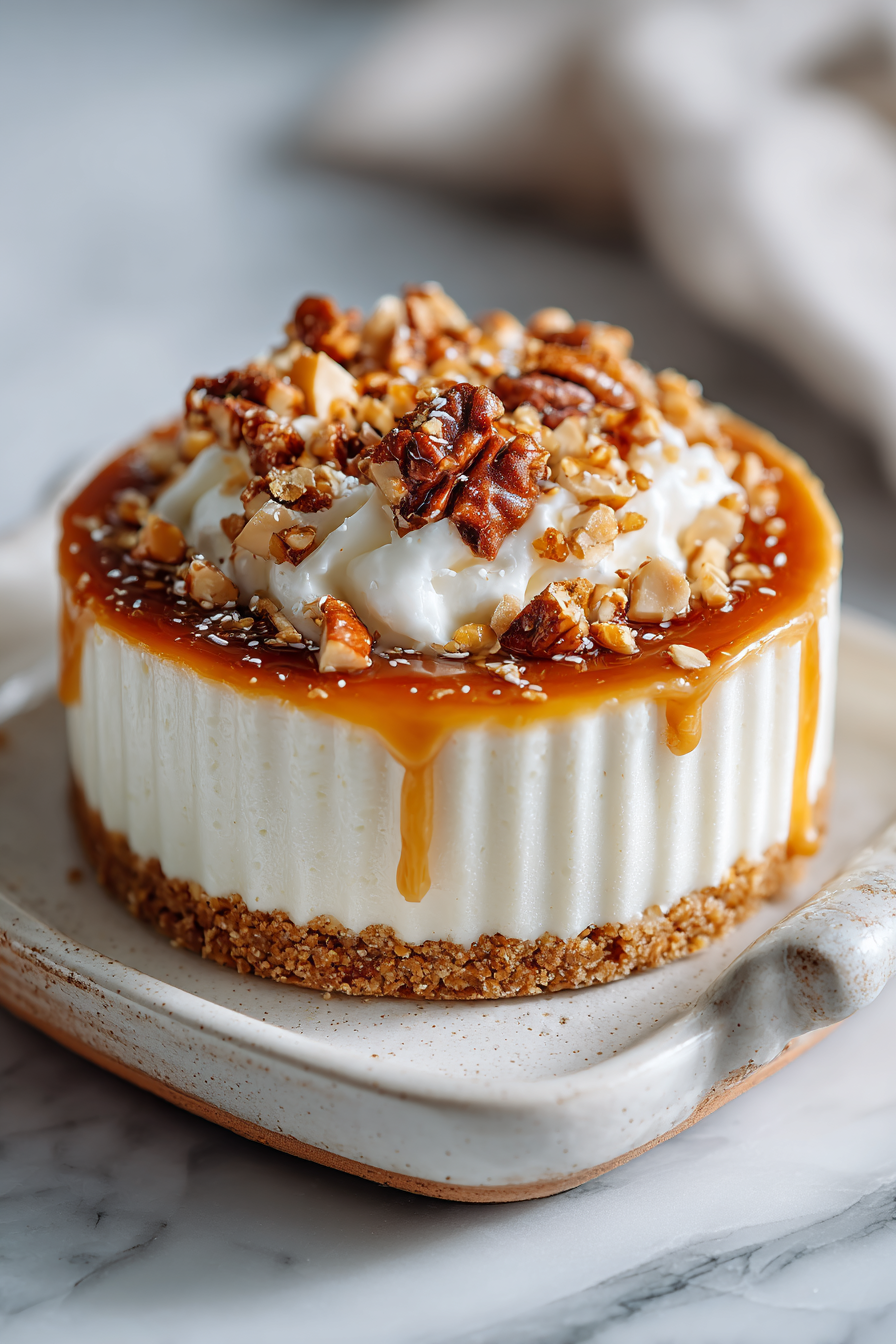
Creamy, slightly tangy, and just sweet enough, this cottage cheese peanut butter mousse is a surprise I make for breakfast, snack time, and the occasional dessert emergency. It combines high-protein cottage cheese with peanut butter and a touch of sweetener to create a silky, spoonable mousse that feels indulgent without the sugar hangover.
My small family absolutely fights over the last dollop. My husband calls it “the grown-up peanut butter cup” and tucks it into yogurt jars for lunch, while our kid asks for it on toast like jam. It became a staple after a rushed morning when I blended cottage cheese with peanut butter instead of reaching for the usual nut butter jar — the texture blew us away, and now it’s a recurring request. The way it keeps well in the fridge makes it perfect for breakfast prep or for hiding in the back of the fridge as a stealthy protein boost.
Why You’ll Love This Cottage Cheese Peanut Butter Mousse
– It hits creamy and rich notes with far less sugar and more protein than a traditional mousse or pudding.
– The texture is silky and airy — not grainy — when whipped properly, so it feels like a treat even though it’s nutritious.
– Versatile: spoon it on toast, swirl it into oatmeal, or eat it straight with fruit or chopped nuts.
– Quick to make in a blender or food processor; it’s one of those recipes that looks fancy but is wildly simple.
Behind the Recipe
I learned early on that cottage cheese is an underrated textural hero if you’re willing to blend it. The key lesson: full-fat or 2% cottage cheese gives a smoother, more satisfying mouthfeel than the nonfat versions, but you can still get good results with Greek yogurt blended in for body. Another trick is warming the peanut butter (briefly) if it’s very stiff — it blends more evenly. People often worry the curds will make a grainy mousse; the fix is a good 30–60 seconds in a high-speed blender and a quick rest so any bubbles settle. Little finishing touches — a pinch of flaky salt, a splash of vanilla, or shredded dark chocolate — lift it from “healthy snack” to “something I want every week.”
Shopping Tips
– Dairy: Choose full-fat or 2% cottage cheese for the creamiest texture; curd size is personal — small-curd blends smoother.
– Nuts & Seeds: Pick a natural-style peanut butter (just peanuts ± salt) for the cleanest flavor; avoid overly whipped or oil-separated commercial spreads.
– Sweeteners: Use maple syrup or honey for a more rounded sweetness; granulated sugar works but dissolves less readily.
– Flavor Boosts: Keep a bottle of pure vanilla extract or a lemon for zest on hand — a little acid or vanilla makes the flavors pop.
– Chocolate: If you like a richer finish, grab a few squares of dark chocolate or cacao nibs to grate on top as a crunchy, bitter contrast.
Prep Ahead Ideas
– Blend the mousse a day ahead and store it in an airtight container in the fridge; textures mellow and flavors meld overnight.
– Measure sweeteners and any spices (cinnamon, cocoa) into small jars so assembling takes only seconds.
– Toast nuts or prepare crunchy toppings ahead and keep them in a sealed container to preserve crunch.
Time-Saving Tricks
– Use a high-speed blender or food processor so the mousse comes together in 30–60 seconds — less time, better texture.
– Keep pre-portioned jars in the fridge for grab-and-go breakfasts instead of assembly each morning.
– When peanut butter is stiff, microwave in 10-second bursts to make it blend smoothly; don’t overheat.
Common Mistakes
– Over-blending can warm the mixture and make it loose — pulse to smooth, then rest to let it thicken.
– Using watery cottage cheese without straining can yield a runny mousse; if yours is too wet, drain briefly in a fine sieve or add a spoonful more peanut butter.
– Adding too much sweetener at once; taste as you go — peanut butter brings natural sweetness and salt that change the balance.
– I once used a stabilizer-heavy commercial peanut butter and ended up with a gummy texture; stick to simple, natural nut butters for the best mouthfeel.
What to Serve It With
This mousse is lovely with sliced bananas or apple slices, spread on toast or rice cakes, dolloped into oatmeal, or served alongside berries and granola for crunch. It also makes an indulgent filling for crepes or a quick, protein-rich frosting for sheet cakes.
Tips & Mistakes
Pair with fresh fruit for brightness and texture contrast; if serving on toast, add a handful of seeds or toasted coconut for crunch. Avoid pairing with overly sweet syrups — the mousse’s subtle salt and peanut flavor shines best with simple, slightly acidic companions like yogurt, berries, or citrus.
Storage Tips
Store in airtight containers in the fridge. It reheats beautifully, but if you sneak a bite cold straight from the container, it still works. For best texture, eat within 4–5 days; separate any crunchy toppings and add them just before serving.
Variations and Substitutions
Swap peanut butter for almond or cashew butter for a different nut profile, or use sunflower seed butter for nut-free households. Substituting half the cottage cheese with thick Greek yogurt yields a milder tang and smoother body. For less sweetness, reduce the sweetener and add a pinch more salt to balance. Avoid using watery low-fat cottage cheese without blending in something thicker — the mousse will be runny.