
Tuscan Garlic Chicken Bites Dinner
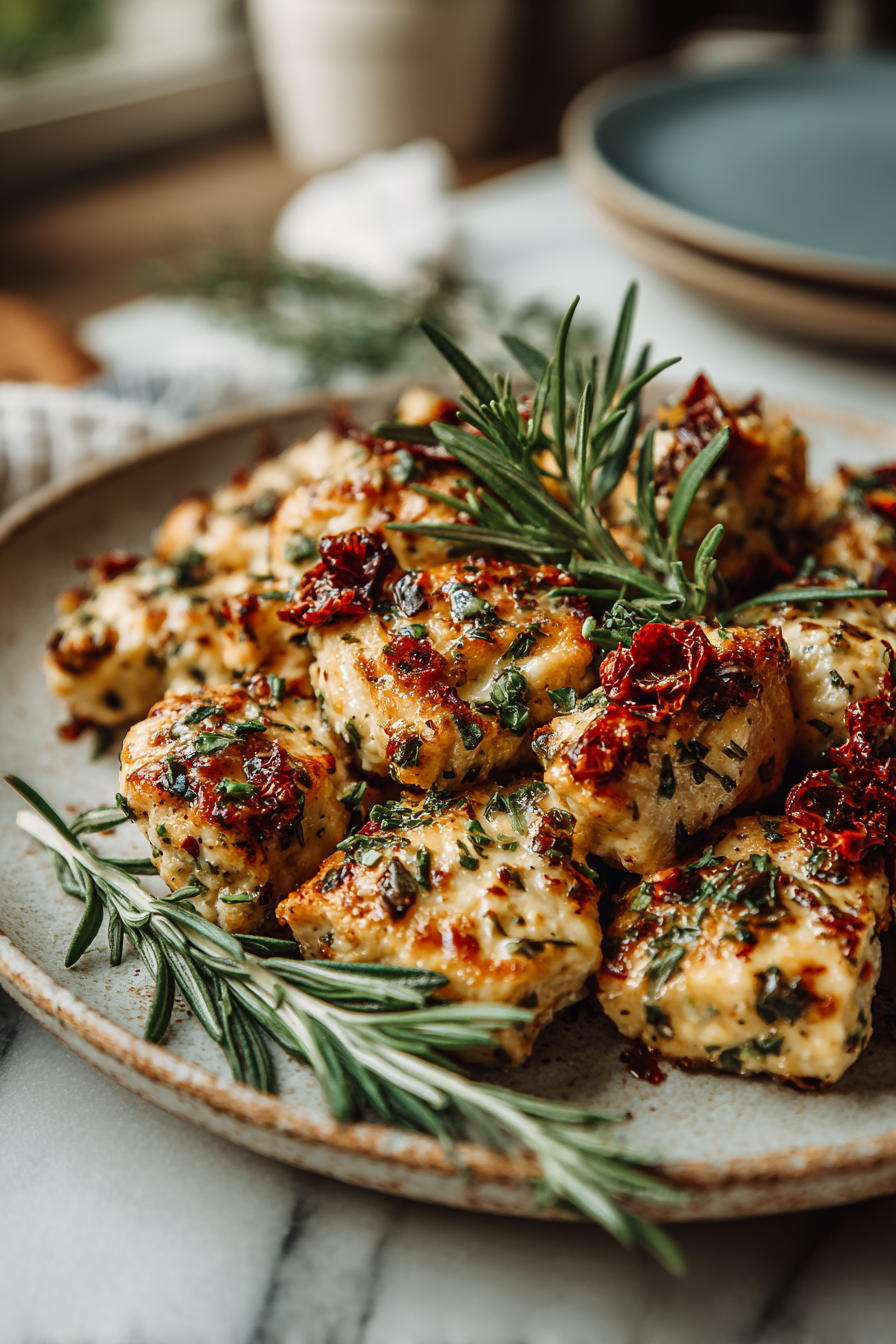
I love this Tuscan Garlic Chicken Bites Dinner because it’s one of those recipes that looks and tastes like you spent hours on it, but actually comes together quickly on a weeknight. Big garlic flavor, a silky, sun‑kissed tomato–cream sauce, and juicy seared chicken bites make it comforting without being fussy—perfect for dinner parties and the kind of weeknight that needs comforting food fast.
My husband immediately claimed it as his “date-night at home” dish the first time I made it; he kept saying the garlic and herbs tasted like something from a little trattoria. Our kiddo calls it “chicken in creamy red sauce” and asks for extra bread to mop the pan. It’s become a staple because it’s reliably good, forgiving when I’m juggling homework and emails, and somehow feels special without a lot of ceremony.
Why You’ll Love This Tuscan Garlic Chicken Bites Dinner
– Bright, garlicky flavor balanced with a rich, creamy tomato sauce that isn’t heavy.
– Bite-sized chicken cooks quickly and stays tender, so it’s ideal for busy evenings.
– Flexible: pairs beautifully with pasta, rice, or simply a big hunk of crusty bread for soaking up sauce.
– A little fresh herb at the end makes it taste restaurant-polished with minimal effort.
Behind the Recipe
This dish started as a weeknight experiment and quickly taught me the power of good browning and timing. Searing the chicken until it develops a golden crust creates texture and locks in juices; adding garlic and herbs toward the end of the sear prevents burning and bitterness. The sauce comes together when you deglaze the pan—those browned bits are where the best flavor lives, so scraping them up is worth the few extra seconds. People often over-thin the sauce; letting it reduce briefly concentrates the flavors and gives it a silkier finish. Finally, a splash of cream or a knob of butter at the end softens acidity from the tomatoes and rounds everything out.
Shopping Tips
– Protein: Choose boneless, skinless chicken thighs for the juiciest results, or breasts if you prefer leaner meat; thighs are more forgiving if you’re multitasking.
– Fresh Herbs: Look for bright, fragrant rosemary and thyme sprigs—avoid bunches that are limp or brown, which means they’re past peak.
– Dairy: Use a small amount of heavy cream or half‑and‑half for a silky finish; full‑fat gives the best texture, but light works in a pinch.
– Spices: Freshly cracked black pepper and good-quality dried oregano or Italian seasoning make a noticeable difference—skip the dusty, old jars.
– Fats & Oils: Use a high-smoke-point oil (canola or light olive oil) for searing, and finish with a touch of extra-virgin olive oil for flavor.
Prep Ahead Ideas
– Trim and cube the chicken and store it in an airtight container or zip-top bag up to 24 hours before cooking; keep it chilled until you’re ready to sear.
– Mince garlic and chop herbs a day ahead and keep them covered in the fridge—this saves active time and speeds things up after work.
– Measure out spices and the tomato component (crushed tomatoes or passata) into small bowls or jars for easy, stress-free assembly.
– Pre-measured cream can sit tightly sealed in the fridge for a day; bring it to fridge temperature before finishing the sauce for smoother incorporation.
– These simple preps make a busy weeknight feel calm because you’re mostly cooking, not measuring.
Time-Saving Tricks
– Use one large skillet to brown the chicken and make the sauce so you only have one pan to wash later.
– Buy pre-minced garlic or use a garlic press if you’re short on time, but add it after the chicken browns to avoid burning.
– Frozen peas or a bag of pre-roasted vegetables can be stirred into the finished dish for a fast veggie boost.
– Keep mise en place: have the tomatoes, cream, and herbs within reach before you start searing so the sauce comes together without a pause.
– If you have a picky eater, cook the chicken pieces slightly smaller for faster, even cooking.
Common Mistakes
– Overcrowding the pan: I did this once and the chicken steamed instead of browning—work in batches so each piece gets a golden sear.
– Burning the garlic: add garlic after the chicken has browned; burnt garlic tastes acrid and can ruin the sauce.
– Too thin a sauce: if your sauce looks watery, simmer it a few minutes longer to reduce and concentrate the flavors; a splash of cream or a small pat of butter helps it finish silky.
– Underdone chicken: cut a piece to test—chicken should be just cooked through and tender; resting a few minutes off the heat keeps it juicy.
– Over-salting: taste the sauce before seasoning fully, especially if you’re using salted butter or stock—you can always add more later.
What to Serve It With
– Toss with your favorite pasta (penne, rigatoni, or pappardelle) for a comforting main, or serve over creamy polenta or mashed potatoes for a cozy twist.
– A simple green salad with lemon vinaigrette or quickly roasted asparagus balances the richness.
– For a casual meal, serve with thick slices of crusty bread and a bowl of olives to make it communal and relaxed.
Tips & Mistakes
– If your sauce needs brightness at the end, a squeeze of lemon or a splash of white wine brightens it without changing the core flavors.
– Don’t skip scraping the pan after searing; those browned bits are flavor gold and should be folded into the sauce.
– If the sauce tightens too much as it cools, thin with a splash of warm chicken stock or cream when reheating.
Storage Tips
Store in airtight containers in the fridge. It reheats beautifully, but if you sneak a bite cold straight from the container, it still works.
Variations and Substitutions
– Chicken thighs ↔ chicken breasts: thighs are juicier; breasts are leaner—either works if you adjust cooking time.
– Heavy cream ↔ half-and-half or plain Greek yogurt (stir in off the heat to avoid breaking) for a lighter finish.
– Sun‑dried tomatoes can replace or augment crushed tomatoes for a deeper, slightly sweet flavor.
– Add wilted spinach or chopped kale right at the end for extra greens that meld into the sauce.
– For a dairy-free version, use coconut cream sparingly or simply finish with extra-virgin olive oil and a splash of reserved pasta water.