
Easy Coconut Cakes
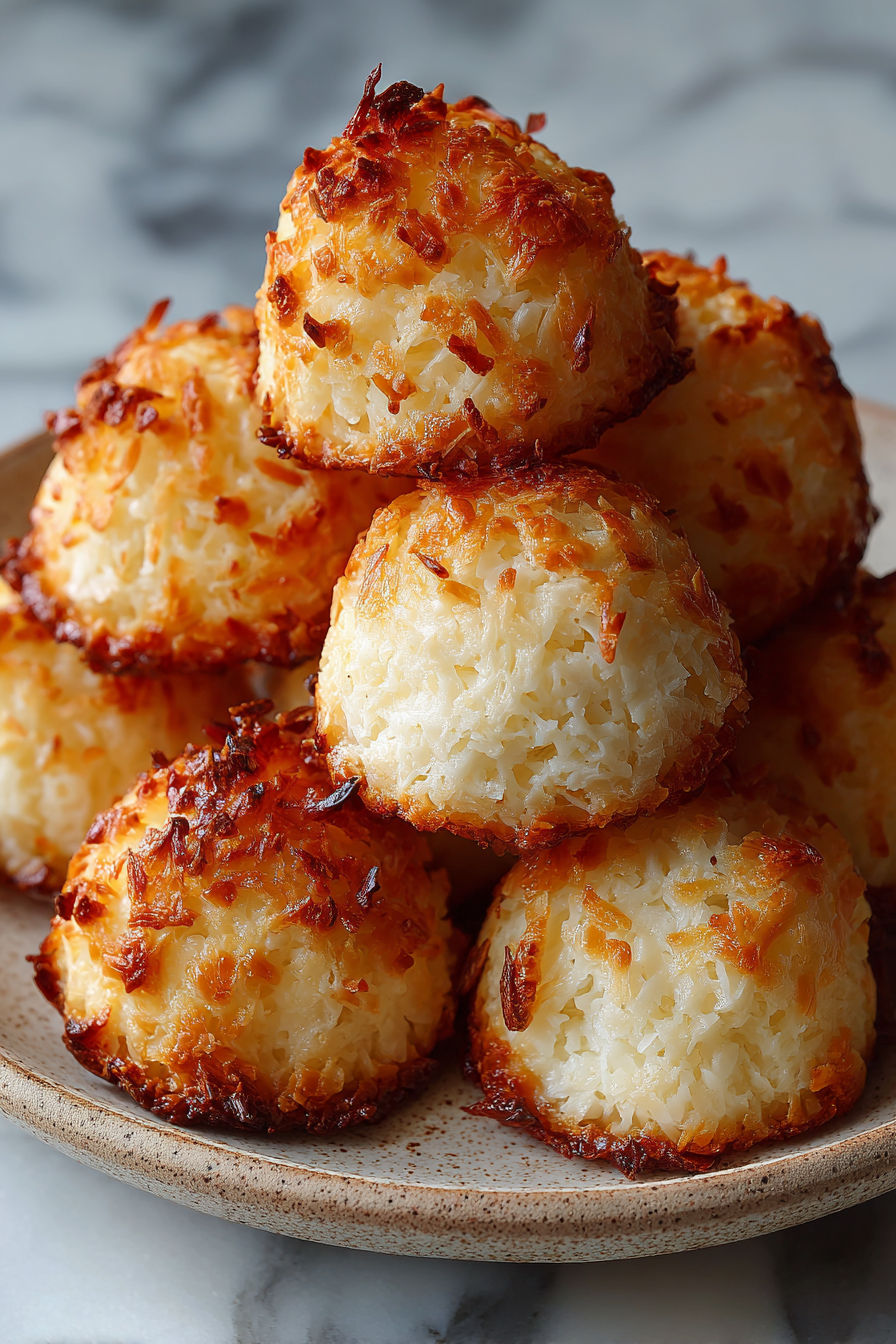
Light, tender rounds of cake soaked ever so slightly in coconut milk and studded with toasted shredded coconut — that’s what these Easy Coconut Cakes are all about. They’re not fussy showstoppers, but they’re endlessly comforting: the crumb stays moist, the coconut flavor is bright without being cloying, and a modest glaze or dusting of extra coconut turns them into something special for brunch, tea, or a simple dessert.
My husband is the biggest fan — he calls these “sunny little cakes” and will happily take a whole tray to work if I let him. They became our weekend ritual: I’ll bake a batch on Saturday morning, we’ll eat one warm with coffee on the porch, and the rest disappear over a few days. Our kiddo loves picking out the toasted flakes on top, which somehow makes them disappear twice as fast. Over time this recipe moved from a nice treat to a reliable staple for visitors, school bake sales, and those evenings when you want a humble dessert that still feels a little celebratory.
Why You’ll Love This Easy Coconut Cakes
– Light, moist texture that doesn’t rely on heavy frosting — coconut flavor carries the cake.
– Flexible: great topped with a thin glaze, a sprinkle of toasted coconut, or simply dusted with powdered sugar.
– Uses pantry-friendly ingredients and comes together without fancy equipment.
– Keeps well in the fridge and warms back up beautifully, so it’s lovely for make-ahead desserts.
– Kid-approved and crowd-pleasing, yet simple enough for an everyday treat.
Behind the Recipe
This cake started as a way to use a leftover can of coconut milk and a bag of shredded coconut. What I learned quickly is that the coconut flavor is best in layers: a touch of coconut milk in the batter, a handful of sweetened or unsweetened shredded coconut folded in, and a few flakes toasted for finishing. Overmixing is the usual trap — it gives a denser crumb — so I stop stirring as soon as the dry ingredients disappear. Another trick is letting the batter rest for a short minute while the oven preheats; it helps the leavening settle and yields an even rise. For a brighter finish, a tiny brush of simple syrup made with coconut milk or rum keeps the cakes glossy and extra moist.
Shopping Tips
– Baking Basics (Flour/Sugar/Leaveners): Use all-purpose flour for a familiar crumb; check your baking powder for freshness — it loses power over time and will flatten the cake.
– Fats & Oils: Unsalted butter gives the best flavor, but neutral oil (like canola) keeps the texture tender and is a fine swap if you prefer.
– Eggs: Room-temperature eggs incorporate more evenly and help the cake rise; take them out of the fridge 20–30 minutes before baking.
– Dairy: Full-fat coconut milk (canned) gives richer coconut notes; you can mix it with regular milk if you want a subtler flavor.
– Flavor Boosts (vanilla/zest): Real vanilla extract and a little lemon or lime zest brighten the coconut — don’t skip these small extras if you want lively flavor.
Prep Ahead Ideas
– Measure dry ingredients and sift them into a zip-top bag or container the day before to speed assembly.
– Toast shredded coconut and store it in an airtight container for up to 3 days; it keeps its crunch and flavor.
– Make a simple coconut syrup or glaze ahead and refrigerate; warm it slightly before glazing the cakes.
– Batter can be mixed and chilled for a short period (an hour) if you need to pause, but for best lift bake shortly after mixing.
Time-Saving Tricks
– Use a hand mixer to combine wet ingredients, then fold in dry ingredients by hand to avoid overmixing.
– Pre-toast coconut in a single sheet pan while the oven heats to save time and use one hot appliance.
– Keep canned coconut milk and shredded coconut in the pantry for quick baking — no last-minute supermarket runs.
– Line pans with parchment or use silicone molds to cut cleanup time dramatically.
Common Mistakes
– Overmixing the batter: I did this once and ended up with a gummy center; fold gently and stop when just combined.
– Using stale coconut: it tastes flat and can be chewy — always smell or toast a small pinch to check freshness.
– Skipping the short rest or preheating properly: under-hot ovens can prevent proper rise, leaving the cake dense; ensure the oven is up to temperature before baking.
– Over-browning the top while the center is undercooked: if the top darkens too fast, tent with foil and finish baking until a skewer comes out clean.
What to Serve It With
Serve these cakes simply: a smear of coconut whipped cream or a light lime glaze pairs beautifully. For brunch, slice and layer with fresh tropical fruit like mango or pineapple. They’re also excellent with a scoop of vanilla ice cream for dessert or alongside a strong cup of coffee.
Tips & Mistakes
A quick tip: toast a little extra coconut and reserve it just for garnish so the tops stay crunchy. If your cakes come out a little dry, a light brush of coconut syrup revives them instantly. And if you’re tempted to double the recipe in a single pan, resist — larger pans change baking dynamics; divide batter into consistent-sized pans for even results.
Storage Tips
Store in airtight containers in the fridge. It reheats beautifully, but if you sneak a bite cold straight from the container, it still works. For longer storage, freeze wrapped tightly for up to 2 months and thaw in the fridge overnight.
Variations and Substitutions
– Swap part of the coconut milk with plain yogurt for tang and tenderness.
– Use unsweetened shredded coconut to reduce sweetness, or sweetened if you prefer a more indulgent cake.
– Stir in lime or lemon zest for a citrus lift, or fold in a handful of toasted macadamia nuts for crunch.
– For a gluten-free version, replace all-purpose flour with a 1:1 gluten-free baking blend that includes a binder.
Write me the frequently asked questions and answers Easy Coconut Cakes in the same way as the example below.