
Easy Gazpacho Recipes
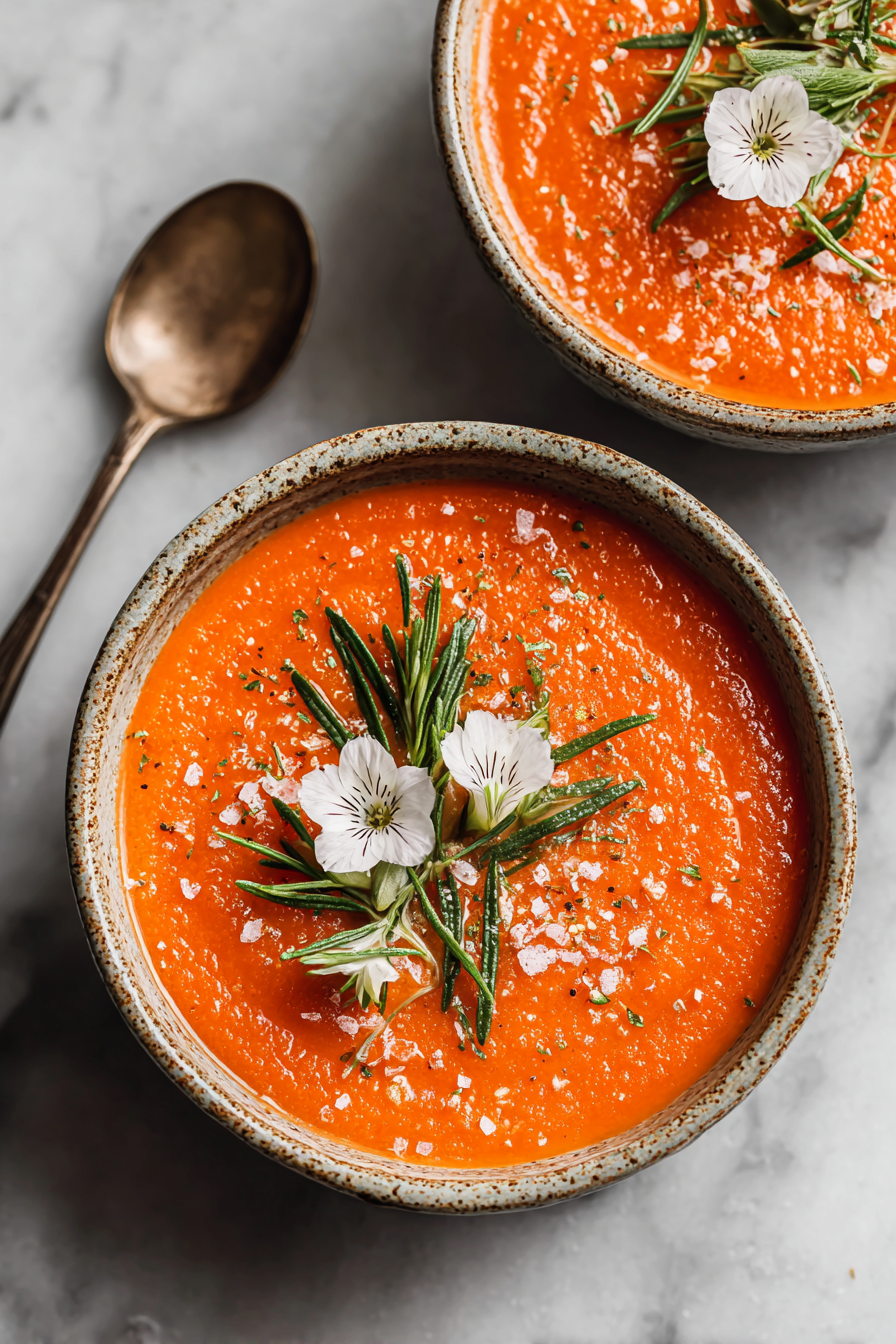
There’s nothing quite like a truly refreshing bowl of gazpacho on a warm day. This isn’t just a cold soup; it’s a vibrant celebration of summer produce, a no-cook marvel that captures the essence of peak-season tomatoes, cucumbers, and bell peppers. It’s special because it requires no stovetop, relying instead on the intense, natural flavors of sun-ripened vegetables and a few key seasonings to create a light, deeply satisfying meal that tastes like sunshine in a bowl. If you’re looking for a quick, healthy, and incredibly flavorful way to beat the heat or use up your garden’s bounty, this recipe is an absolute must-try.
My husband, bless his heart, isn’t always the most adventurous eater when it comes to “healthy” food, but this gazpacho completely won him over. I remember one scorching August afternoon, we had spent the day at the local farmer’s market, coming home laden with the most beautiful, ripe heirloom tomatoes. I decided to whip up a batch of gazpacho, and frankly, I didn’t expect him to be thrilled. He usually prefers something hot and hearty. But after one tentative spoonful, his eyes lit up. He said it was like “drinking summer,” and he proceeded to have two bowls, followed by another the next day for lunch. It’s since become a household staple, a sign that summer has truly arrived, and it makes my heart happy to see him genuinely enjoy something so fresh and wholesome.
Why You’ll Love This Easy Gazpacho Recipes
This gazpacho is a true lifesaver when the temperatures soar, offering a naturally cooling meal that requires absolutely no cooking.
It’s bursting with the brightest flavors of peak-season produce, making it an incredibly healthy and vitamin-rich choice that tastes utterly decadent.
Preparation is lightning-fast, mostly hands-off, and cleanup is minimal—perfect for busy weeknights or impromptu gatherings.
The texture is silky-smooth and utterly delightful, providing a luxurious mouthfeel without any heavy ingredients.
It’s wonderfully versatile, easily adaptable to your preferred level of spice, sweetness, or tang, meaning you can truly make it your own.
Behind the Recipe
Making gazpacho at home has taught me a few things that really elevate it from good to truly exceptional. The biggest lesson is that the quality of your ingredients truly matters here—there’s no cooking to mask anything, so ripe, flavorful tomatoes are non-negotiable. I’ve learned that a good quality extra virgin olive oil, not just any olive oil, makes a dramatic difference in the final flavor and mouthfeel. What often trips people up is not blending it long enough; you want that incredibly smooth, almost velvety texture, so resist the urge to stop too soon. And for those little touches that make it shine? A splash of good sherry vinegar at the very end brightens everything up beautifully, and don’t underestimate the power of a really generous pinch of salt, adjusted to taste, to bring all those vibrant flavors into harmony. A final drizzle of that excellent olive oil just before serving, along with a few fresh herb leaves, turns it into something truly special.
Shopping Tips
– Produce/Fruit: Seek out the ripest, reddest tomatoes you can find—vine-ripened or heirloom varieties will give you the best flavor and color.
– Vegetables: Choose firm, unwaxed cucumbers and vibrant red bell peppers. A good quality red onion and fresh garlic cloves are also essential.
– Fats & Oils: Invest in a high-quality extra virgin olive oil; its flavor is prominent here and truly elevates the soup.
– Fresh Herbs: Pick up a bunch of fresh basil or parsley for garnish, as they add a lovely aromatic lift.
– Citrus: A fresh lemon is great to have on hand for a bright finishing squeeze if needed, or to balance the flavors.
– Vinegar: If possible, opt for a good sherry vinegar; its nuanced flavor is traditional and adds depth, but red wine vinegar works well too.
Prep Ahead Ideas
You can chop all of the vegetables—tomatoes, cucumbers, bell peppers, onion, and garlic—the day before and store them together in an airtight container in the fridge. This makes the blending process incredibly fast when you’re ready to eat. You can also go a step further and blend the entire gazpacho base (without any garnishes) and chill it overnight. This allows the flavors to meld beautifully, often making it taste even better the next day. Storing it in a large pitcher or lidded bowl means it’s ready to pour and serve, smoothing out even the busiest weeknight into an effortless, gourmet experience.
Time-Saving Tricks
The biggest time-saver for gazpacho is a powerful blender; it makes quick work of turning chunky vegetables into a silky-smooth soup. Don’t worry about perfectly dicing your vegetables, as they’re all going into the blender anyway—a rough chop is totally fine. While some recipes suggest peeling tomatoes, if your blender is robust enough, you can skip this step, saving considerable time without compromising texture. However, the one thing you shouldn’t rush is the chilling time. Gazpacho truly benefits from at least an hour or two in the fridge for the flavors to fully develop and for it to reach that delightfully refreshing temperature.
Common Mistakes
One of the most frequent pitfalls with gazpacho is not using ripe enough tomatoes. If your tomatoes lack flavor, your gazpacho will too, so always wait for the best produce. Another common mistake is not chilling the soup sufficiently; gazpacho is meant to be served very cold, which allows all the flavors to truly sing. Adding too much water or ice can also dilute the vibrant taste, so start with minimal liquid and adjust as needed. And don’t forget to taste and adjust your seasonings! A bland gazpacho often just needs a little more salt, a touch more vinegar, or a drizzle of olive oil to bring it to life.
What to Serve It With
Gazpacho is wonderfully versatile. It makes an excellent light lunch on its own, especially with a side of crusty bread for dipping. For a more substantial meal, consider pairing it with grilled halloumi cheese, a simple green salad with a bright vinaigrette, or some quickly grilled shrimp or fish. A classic Spanish pairing involves serving it with thinly sliced serrano ham or a hard-boiled egg on the side.
Tips & Mistakes
The key to exceptional gazpacho lies in embracing the freshness of your ingredients; always opt for the highest quality, ripest vegetables you can find. Don’t shy away from tasting and adjusting the seasoning multiple times throughout the process—a little more salt, a touch more vinegar, or another drizzle of olive oil can make all the difference. While it’s tempting to eat it immediately, patience with chilling is rewarded with much deeper and more harmonious flavors.
Storage Tips
Store in airtight containers in the fridge. It reheats beautifully, but if you sneak a bite cold straight from the container, it still works.
Variations and Substitutions
While the classic red gazpacho is fantastic, feel free to explore! You could try a yellow gazpacho with yellow tomatoes and bell peppers, or even a green one with tomatillos and cucumbers. For a richer texture, a slice or two of stale bread (crusts removed) can be blended in with the vegetables, making it creamier. If you like a little heat, a small piece of jalapeño or a pinch of cayenne pepper can be added to the blend. For an herb variation, consider adding fresh mint or cilantro along with the basil. As for substitutions, red wine vinegar can stand in for sherry vinegar, though the flavor profile will be slightly different.