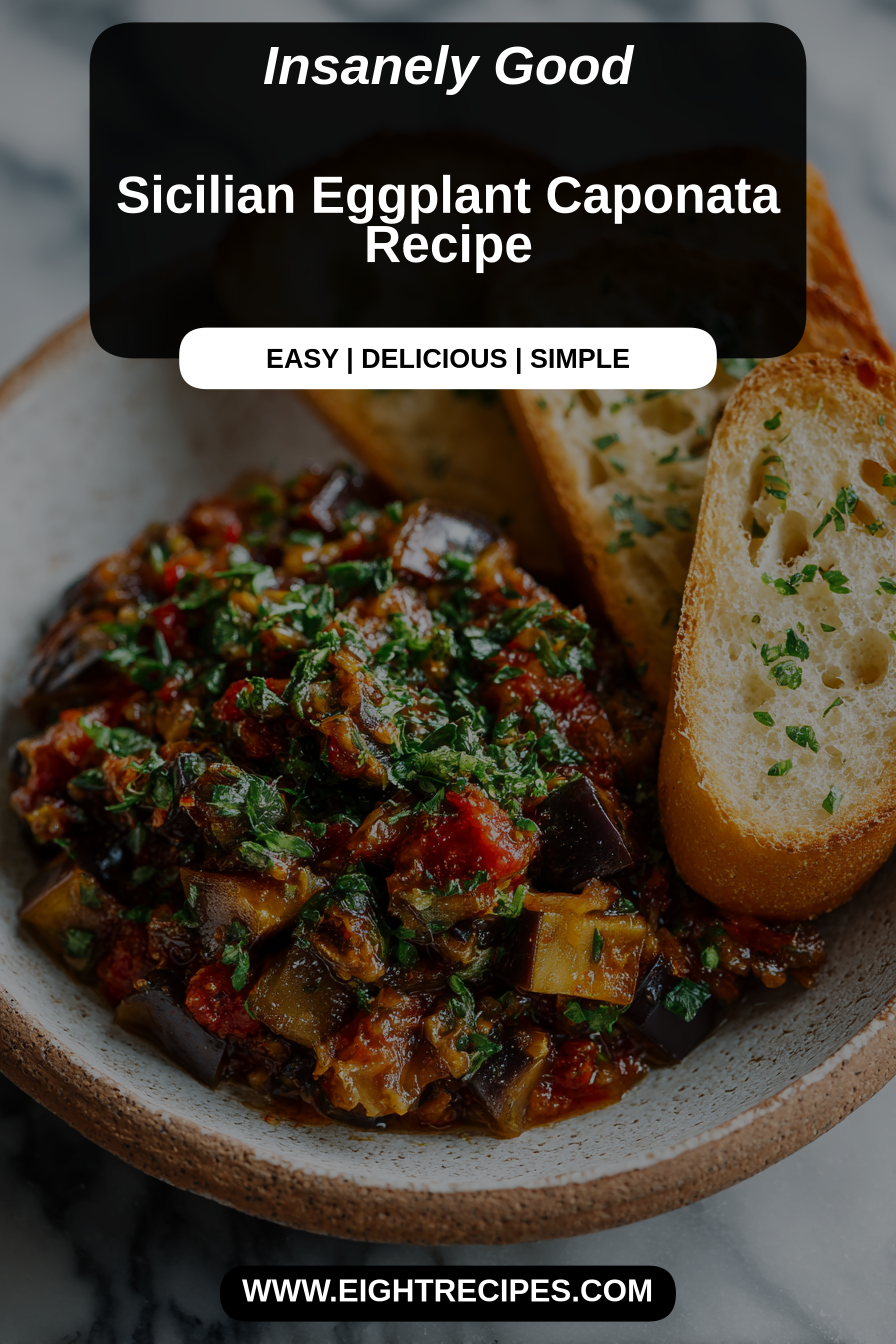
Sicilian Eggplant Caponata Recipe
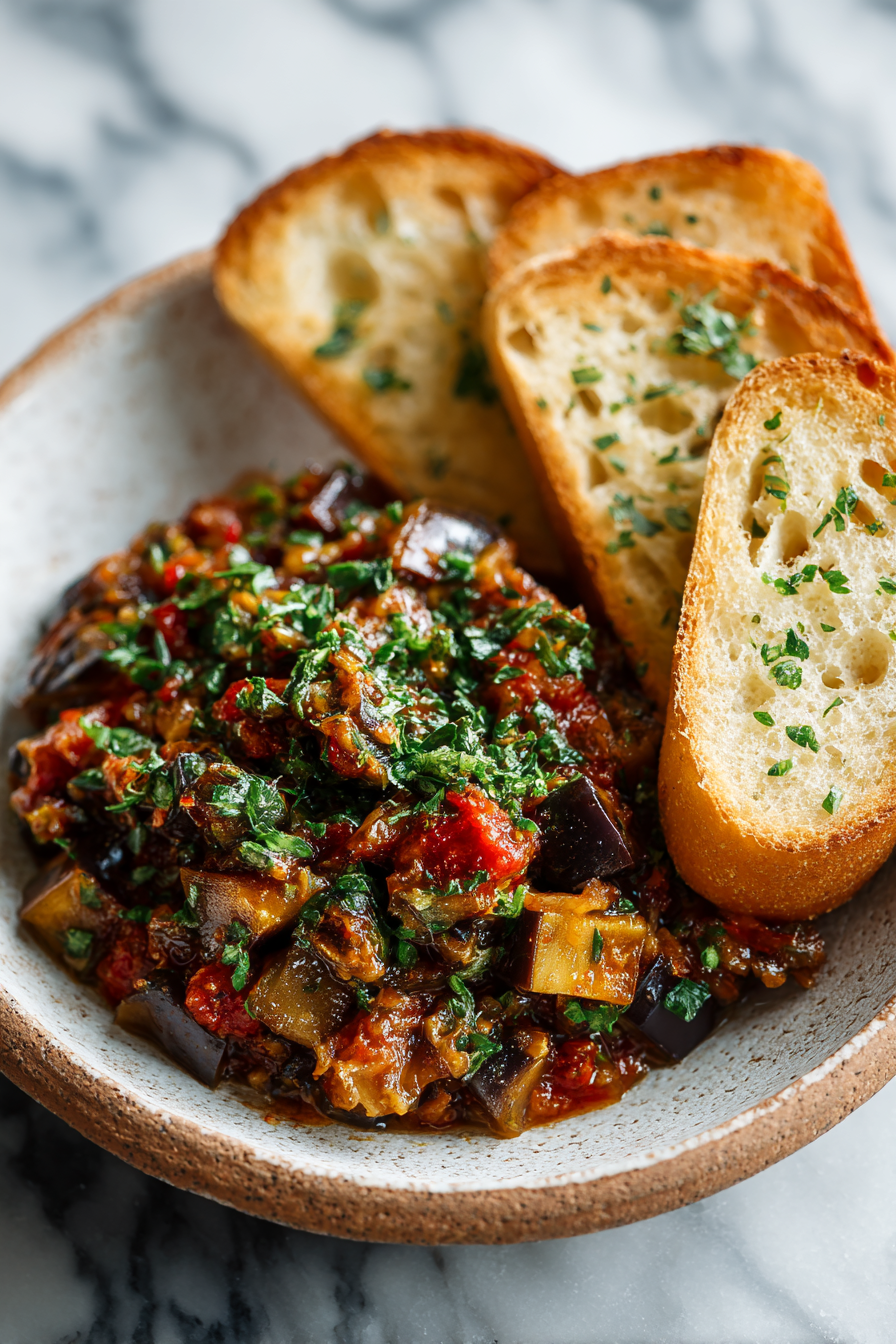
Sicilian Eggplant Caponata is one of those timeless dishes that truly embodies the magic of Mediterranean cooking. At its heart, it’s a vibrant, sweet-and-sour vegetable relish, typically featuring tender eggplant, bright tomatoes, crisp celery, and a medley of briny olives and capers, all simmered in a rich tomato sauce with a hint of sugar and vinegar. What makes it special is the incredible balance of flavors—each spoonful offers a complex interplay of tangy, savory, and subtly sweet notes. It’s a versatile dish, perfect as an appetizer spread on crusty bread, a sophisticated side for grilled fish or chicken, or even a light vegetarian main. If you’re looking for a dish that’s both deeply satisfying and wonderfully fresh, this caponata is an absolute must-try.
My husband, Mark, can be a tough critic when it comes to vegetable dishes, but caponata has earned a permanent place on his favorites list. I still remember the first time I made it, a few summers ago. We were hosting a backyard get-together, and I decided to try my hand at this classic Sicilian dish, hoping to impress our guests. I carefully chopped, salted, and simmered, filling the kitchen with the most incredible aroma. When I finally brought out the finished caponata, glistening with olive oil and studded with colorful vegetables, Mark, ever skeptical, eyed it warily. But after his first bite, spread generously on a piece of toasted baguette, his eyes lit up. “This is incredible,” he declared, reaching for another piece. Since then, it’s become our go-to for entertaining, quiet weeknight dinners, and even picnics. He loves how the flavors deepen overnight, and I often catch him sneaking a spoonful straight from the fridge—a true testament to its deliciousness!
Why You’ll Love This Sicilian Eggplant Caponata Recipe
You’ll fall head over heels for this recipe because it strikes an exquisite balance between sweet, savory, and tangy, creating a truly unforgettable flavor profile that keeps you coming back for more. It’s incredibly versatile, acting as the perfect spread for crostini, a delightful side dish, or a vibrant addition to an antipasto platter. This caponata is a fantastic make-ahead dish; its flavors only deepen and meld beautifully after a day or two in the fridge, making it ideal for stress-free entertaining or meal prep. Plus, it’s packed with wholesome vegetables, offering a deliciously satisfying way to enjoy a plant-forward meal that feels both comforting and sophisticated.
Behind the Recipe
Making caponata at home has taught me a few invaluable lessons. The first, and perhaps most crucial, is the art of salting the eggplant. This step is non-negotiable! It draws out excess moisture, preventing your caponata from becoming watery and ensuring the eggplant absorbs all those wonderful flavors without turning bitter. Don’t rush it; give the eggplant at least 30 minutes to sweat. Another thing I’ve learned is not to overcrowd your pan when sautéing the vegetables. This is where many people trip up, leading to steamed rather than beautifully caramelized veggies. Cook in batches if necessary; it’s worth the extra few minutes for that depth of flavor. For me, the little touches that truly make caponata shine are using high-quality red wine vinegar for that authentic tang, a sprinkle of fresh basil or parsley at the very end for brightness, and a tiny pinch of red pepper flakes if you like a subtle warmth. Taste as you go, especially when balancing the sugar and vinegar—it’s a dance that’s best done with a spoon in hand.
Shopping Tips
– Vegetables: Choose eggplants that are firm, heavy for their size, and have smooth, shiny skin. Smaller eggplants tend to be less bitter and have fewer seeds.
– Canned Goods: Opt for high-quality diced tomatoes, like San Marzano, for the best flavor and sweetness. Also, look for good quality olives (Kalamata or Castelvetrano work wonderfully) and non-pareil capers.
– Fats & Oils: A good extra virgin olive oil is essential here, not just for cooking but also for finishing, as its fruity notes will really enhance the caponata.
– Specialty Item: Red wine vinegar is classic for caponata’s signature tang. A good quality one makes a significant difference in the overall balance of the dish.
– Fresh Herbs: Fresh basil is my top choice for garnishing this dish; its aroma and peppery sweetness provide a lovely contrast. Pick vibrant, unblemished leaves.
– Nuts & Seeds: If you’re adding pine nuts, look for ones that are plump and pale. Briefly toasting them before adding will bring out their best nutty flavor.
Prep Ahead Ideas
This is truly a dish that benefits from some foresight! The day before, you can chop all your vegetables—the eggplant, celery, onion, and any bell peppers—and keep them stored separately in airtight containers in the fridge. Most importantly, you can salt and drain your diced eggplant hours in advance, ensuring it’s ready to go when you are. Measuring out your capers, olives, sugar, and vinegar into small bowls also streamlines the cooking process on a busy weeknight, turning what could be a multi-step affair into a much smoother assembly.
Time-Saving Tricks
While some dishes benefit from speed, caponata rewards patience in certain areas. One genuine time-saver is to get your mise en place fully organized before you even turn on the stove; having all your chopped ingredients and measured seasonings ready makes the cooking flow seamlessly. Don’t skip salting the eggplant, but you can let it drain while you chop the other vegetables. Use a large, wide skillet or Dutch oven to ensure your vegetables have enough space to sauté and brown rather than steam, which actually speeds up their cooking time while enhancing flavor. The one part I’d never rush is the simmering stage; allowing the caponata to gently bubble and its flavors to meld and deepen over time is crucial for the best result.
Common Mistakes
The most common pitfall I see with caponata is skipping the crucial step of salting and draining the eggplant. This leads to a watery, bland dish because the eggplant releases its moisture during cooking, diluting all those lovely flavors. I learned this the hard way once, and the caponata was a pale imitation of itself. Always salt your eggplant and let it sit for at least 30 minutes before patting it dry. Another mistake is overcrowding the pan when you’re sautéing the vegetables. This makes them steam rather than caramelize, robbing them of depth. Cook in batches if your pan isn’t large enough. Finally, not tasting and adjusting the sweet-and-sour balance is another common misstep; the right ratio is key, so add your sugar and vinegar gradually, tasting until it hits that perfect spot. If your caponata turns out too sweet, a splash more vinegar or lemon juice can rescue it; if too sour, a pinch of sugar can balance it out.
What to Serve It With
Sicilian Eggplant Caponata is incredibly versatile and shines in many different roles. Its classic pairing is with crusty Italian bread or toasted crostini, making it a perfect appetizer for any gathering. It also makes an exquisite side dish for grilled fish, chicken, or lamb, providing a bright and flavorful counterpoint to richer proteins. For a light lunch, I love it alongside a simple green salad, or even tossed with some pasta for a quick and satisfying vegetarian meal. It’s also a fantastic addition to an antipasto platter, alongside cheeses, cured meats, and other marinated vegetables.
Tips & Mistakes
Storage Tips
Store in airtight containers in the fridge. It reheats beautifully, but if you sneak a bite cold straight from the container, it still works.
Variations and Substitutions
While the classic version is truly a delight, there’s always room for a little creativity in the kitchen. If you’re looking to add more texture, toasted pine nuts or blanched almonds are wonderful stirred in at the end or sprinkled on top. For an extra layer of sweetness, a tablespoon or two of golden raisins can be rehydrated and added during the simmering process, a common addition in some Sicilian versions. While red wine vinegar is traditional, white wine vinegar or even a good quality apple cider vinegar can be substituted in a pinch, though they will slightly alter the flavor profile. If you enjoy a little heat, a small pinch of red pepper flakes simmered with the vegetables adds a subtle kick. You can also experiment with adding other vegetables like zucchini or bell peppers, though eggplant should remain the star. However, some elements like the olives and capers are so integral to caponata’s distinct character that I’d recommend keeping them in; they really define the dish.