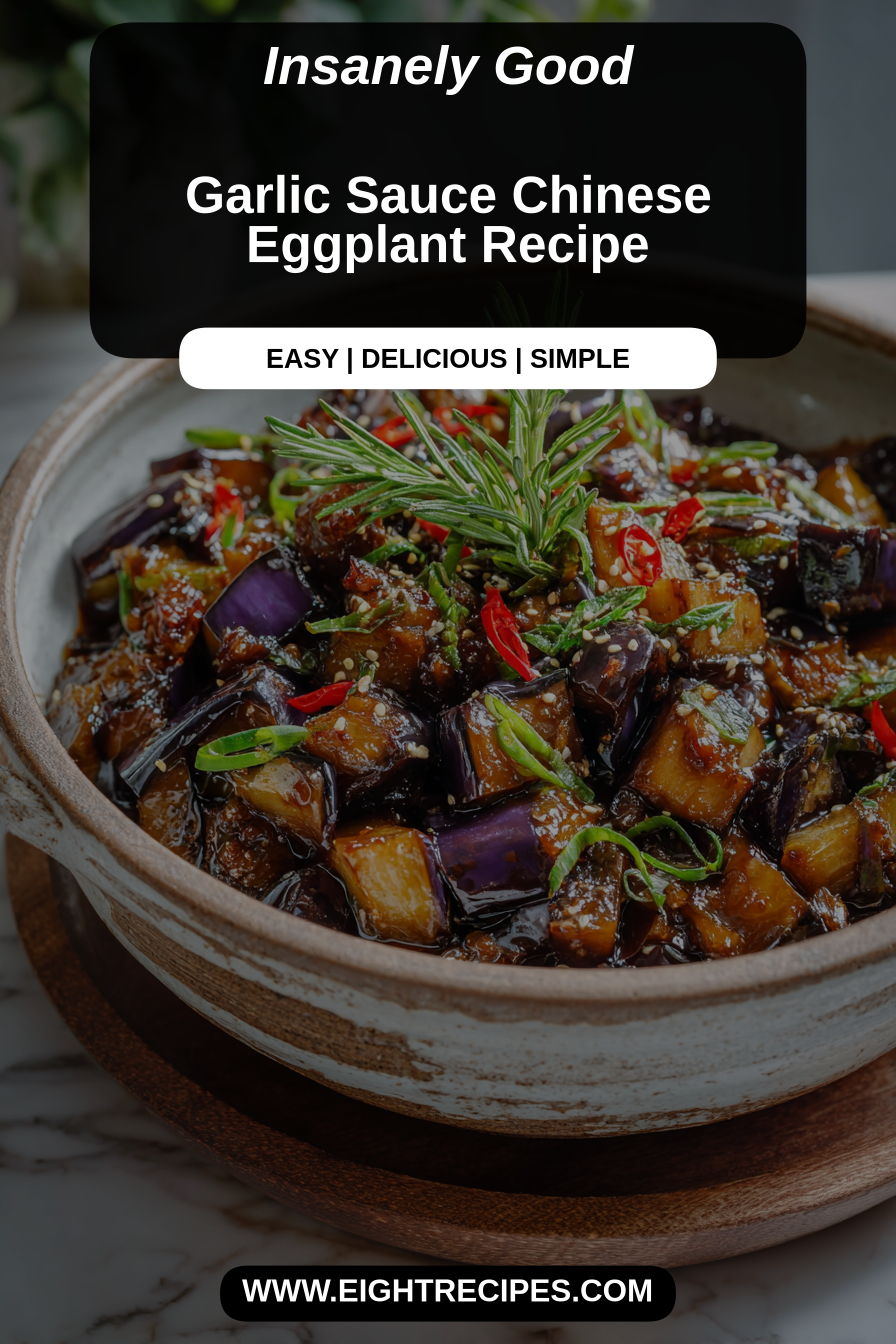
Garlic Sauce Chinese Eggplant Recipe
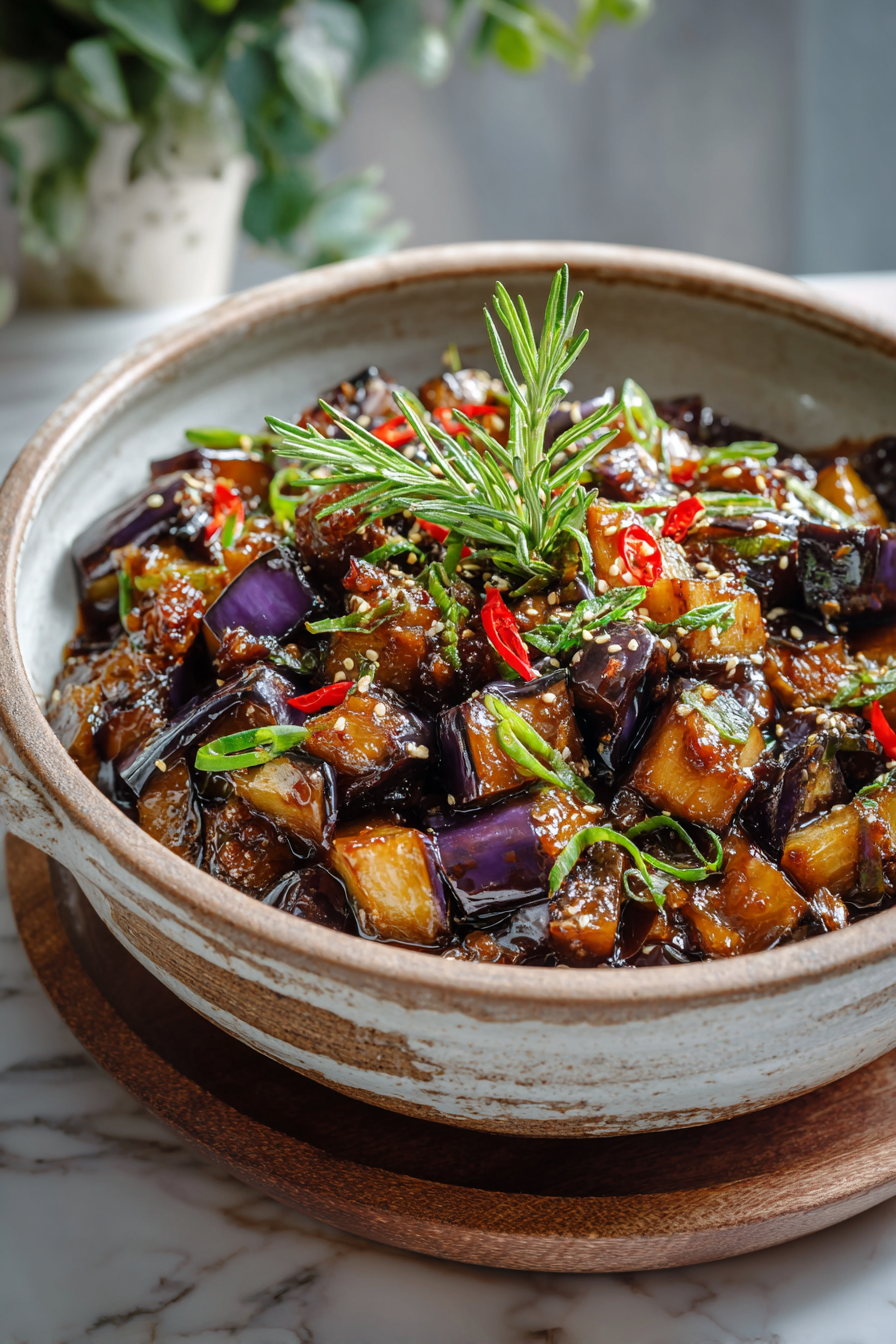
This Garlic Sauce Chinese Eggplant recipe is an absolute revelation, transforming humble eggplant into a vibrant, savory, and utterly craveable dish. It features tender pieces of eggplant, perfectly cooked until silken, then coated in a rich, umami-packed sauce brimming with garlic, ginger, and a hint of sweetness and spice. It’s the kind of meal that feels indulgent yet is surprisingly quick to prepare, making it a fantastic addition to your weeknight repertoire or a standout side dish for any gathering.
I remember the first time I made this for my husband, Mark. He’s always been a bit skeptical of eggplant, often associating it with oily, heavy dishes. So, when I served him a plate of this beautiful, glossy eggplant alongside some jasmine rice, he approached it with caution. One bite, however, and his eyes lit up. “This is *eggplant*?” he asked, genuinely surprised. “It’s so tender, and that sauce is incredible!” It quickly became one of his most requested dishes, especially on our “Meatless Mondays” when we try to incorporate more plant-based meals. There’s something incredibly satisfying about watching a dish you love become a beloved staple in your own home, creating those small, delicious moments around the dinner table.
Why You’ll Love This Garlic Sauce Chinese Eggplant Recipe
You’ll fall head over heels for this Garlic Sauce Chinese Eggplant Recipe for so many wonderful reasons. First, it’s a flavor explosion—that perfect balance of sweet, savory, tangy, and just a touch of heat that makes every bite exciting. Second, the texture of the eggplant, when prepared correctly, is simply divine; it melts in your mouth without being mushy. Plus, it’s an incredibly versatile dish that pairs beautifully with almost any grain or protein, making it a fantastic component for a weeknight meal or a more elaborate spread. It’s also naturally vegetarian and can easily be adapted for gluten-free diets, ensuring everyone at your table can enjoy its deliciousness.
Behind the Recipe
Getting the eggplant right is the heart of this dish. The goal is a tender, almost creamy texture, not something spongy or greasy. I’ve learned that salting and draining the eggplant isn’t always necessary for Chinese or Japanese varieties, but sometimes a quick high-heat sear or a light dredge in cornstarch before stir-frying can really help achieve that beautiful, slightly crisp exterior before it soaks up the sauce. Don’t be shy with the aromatics either; fresh garlic and ginger are non-negotiable for that vibrant, authentic flavor profile. And while the recipe card will give you precise measurements, remember that adjusting the heat and sweetness to your personal preference is always encouraged. A little extra chili crisp at the end can elevate it beautifully for those who love a kick!
Shopping Tips
– Vegetables: Choose firm, smooth, and shiny Chinese or Japanese eggplants. They’re typically longer and thinner than globe eggplants and have a more delicate skin, meaning you don’t need to peel them.
– Aromatics: Fresh garlic and ginger are paramount here. Look for firm, unblemished garlic cloves and ginger roots without any soft spots or wrinkling.
– Pantry Staples: Ensure you have a good quality soy sauce (or tamari for gluten-free), rice vinegar, and a neutral oil like canola or grapeseed for stir-frying.
– Sweetener: Granulated sugar is classic, but a touch of honey or maple syrup can also work if you prefer a different sweetness profile.
– Chili Component: A good chili garlic sauce or even just some dried chili flakes will provide that essential touch of heat. Adjust to your spice preference.
Prep Ahead Ideas
You can do quite a bit of prep in advance to make dinner assembly a breeze. Chop your garlic and ginger the day before and store them in separate small airtight containers in the fridge. The sauce can also be mixed completely ahead of time and kept in a jar in the refrigerator; just give it a good shake before using. You can also slice the eggplant a few hours before cooking; if you’re concerned about browning, toss it lightly with a squeeze of lemon juice or a bit of vinegar, though for quick stir-fries, I often just slice right before cooking.
Time-Saving Tricks
The biggest time-saver for this dish is good mise en place—having all your ingredients chopped and measured before you even turn on the stove. This recipe comes together quickly once the cooking starts. Don’t overcrowd your pan when cooking the eggplant; work in batches if necessary to ensure it browns nicely instead of steaming. While fresh aromatics are ideal, pre-minced garlic or ginger from a jar can save a few minutes in a pinch, though the flavor won’t be quite as vibrant.
Common Mistakes
A frequent pitfall with eggplant is overcooking it into a mushy, watery mess, or conversely, undercooking it so it’s still firm and spongy. The key is finding that sweet spot where it’s tender but still holds its shape. Another mistake is using too little oil or not getting your pan hot enough, which can lead to soggy eggplant that doesn’t brown. I once rushed and didn’t heat my wok properly, and the eggplant absorbed all the oil and refused to develop any color. The fix? High heat and patience! If your sauce tastes flat, it often needs a little more acid (rice vinegar) or a pinch more salt.
What to Serve It With
This garlic sauce Chinese eggplant is absolutely perfect served over a bed of fluffy jasmine rice or brown rice. It also pairs beautifully with quinoa or even noodles. For a complete meal, consider adding a side of steamed bok choy or a simple cucumber salad to complement the rich flavors.
Tips & Mistakes
Storage Tips
Store in airtight containers in the fridge. It reheats beautifully, but if you sneak a bite cold straight from the container, it still works.
Variations and Substitutions
For a richer, meatier flavor, you could add ground pork or chicken to the stir-fry before adding the eggplant. If you’re out of Chinese eggplant, globe eggplant can work, though you might want to salt and drain it first to remove excess water. Tamari is an excellent gluten-free alternative to soy sauce. If you don’t have rice vinegar, apple cider vinegar can be a decent substitute in a pinch, though it has a stronger flavor. For a touch of heat, a dash of sriracha or chili oil can be added at the end. While the classic version is fantastic, feel free to play with the balance of sweet and spicy to suit your palate.