Greek Pasta Salad Recipe
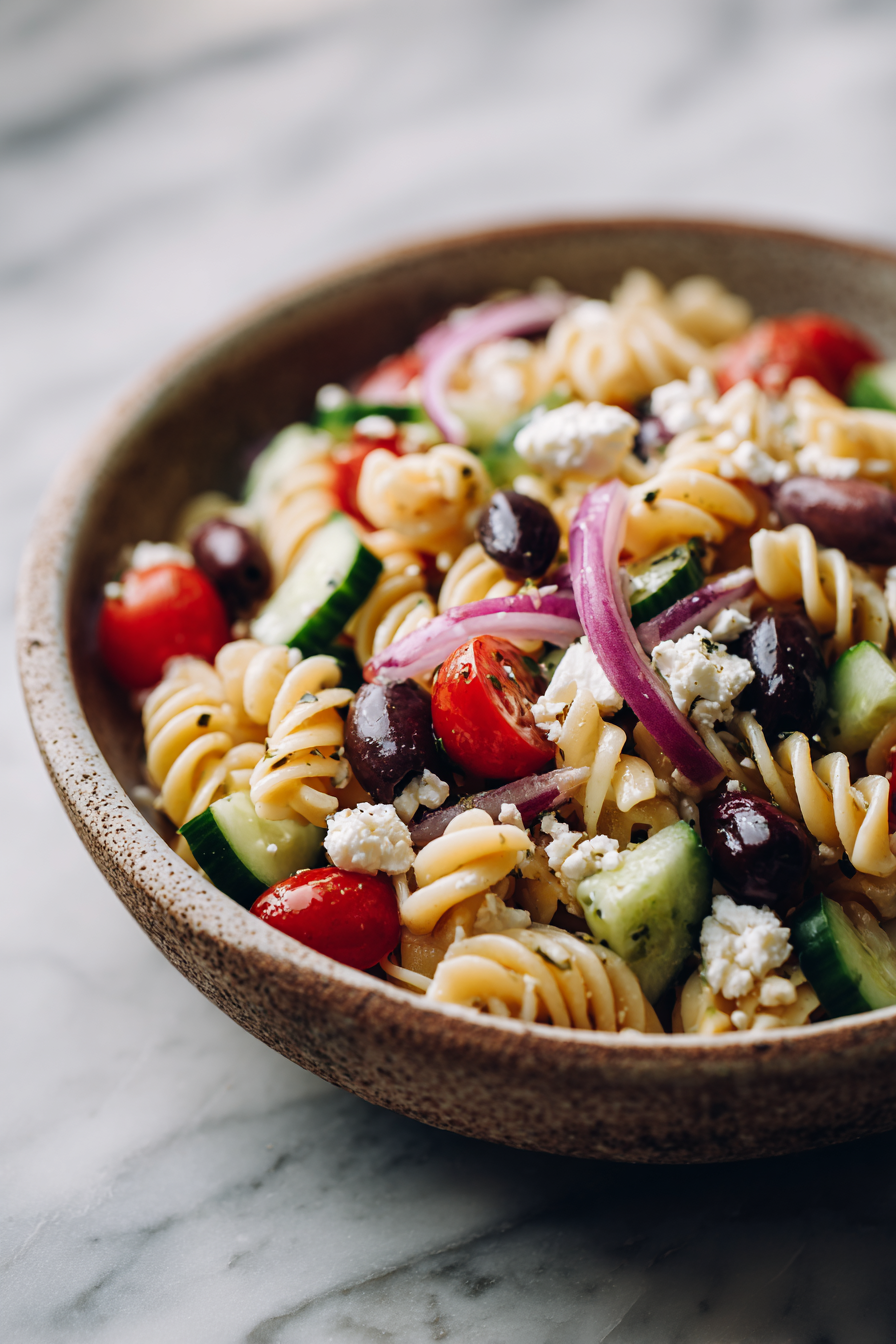
This Greek Pasta Salad is a vibrant, satisfying dish that captures the essence of Mediterranean flavors in every bite. It’s a delightful mix of tender pasta, crisp vegetables, salty feta, and briny Kalamata olives, all tossed in a bright, zesty lemon-herb dressing. What makes it truly special is its incredible balance of textures and tastes—it’s refreshing enough for a summer picnic but hearty enough to be a standalone meal. It’s the kind of salad that consistently disappears first at any gathering, leaving everyone asking for the recipe.
My husband, Mark, absolutely adores this pasta salad. It’s become his go-to request for potlucks or any time we have friends over for a casual meal. I remember one summer evening, we were hosting an impromptu backyard barbecue, and I whipped up a big batch. We ran out of chips, so everyone just kept digging into the salad instead, using it as a scoop for grilled chicken! The bowl was practically licked clean. Now, it’s a standard in our rotation, especially during warmer months, and even our little one, who is usually skeptical of “green things,” picks out the pasta and cucumbers with glee. It’s a dish that brings people together and always feels like a celebration.
Why You’ll Love This The Best Greek Pasta Salad Recipe
* It’s incredibly versatile and adaptable, perfect for meal prep, picnics, or a light dinner alongside grilled protein.
* The vibrant flavors of fresh vegetables, briny olives, and creamy feta are beautifully tied together by a zesty, herbaceous dressing.
* It’s a crowd-pleaser that appeals to a wide range of palates, making it ideal for entertaining or family dinners.
* This salad tastes even better the next day, allowing the flavors to meld and deepen, which means less stress on busy days.
* It offers a wonderful balance of textures—chewy pasta, crisp veggies, and soft cheese—keeping every bite interesting and satisfying.
Behind the Recipe
Creating a truly memorable Greek Pasta Salad is less about precision and more about understanding the interplay of flavors. I’ve learned that the quality of your ingredients really shines through here. For instance, using good quality extra virgin olive oil for the dressing makes a world of difference. Also, don’t be shy with the fresh herbs; they bring so much vibrancy. One thing I often see trip people up is overcooking the pasta—it should be al dente, firm to the bite, not mushy, as it will continue to absorb some of the dressing. And while the recipe doesn’t call for it, I sometimes toast a few pine nuts to sprinkle on top for an added layer of texture and richness. It’s these small touches that elevate a good pasta salad to a truly exceptional one.
Shopping Tips
– Grains/Pasta: Opt for a good quality short pasta shape like rotini, penne, or orzo. Look for bronze-cut pasta if possible; its rougher texture holds the dressing better.
– Vegetables: Choose firm, vibrant cucumbers, bright red cherry tomatoes, and crisp bell peppers. Avoid any produce with soft spots or blemishes.
– Cheese: Genuine Greek feta, often sold in brine, offers the best tangy, salty flavor and creamy texture. Crumbled feta in tubs can be convenient but often lacks the same depth.
– Canned Goods: Seek out Kalamata olives that are pitted for ease, and ideally, those packed in brine rather than oil for a truer flavor.
– Fats & Oils: Invest in a good quality extra virgin olive oil for the dressing; it’s a primary flavor component here.
– Fresh Herbs: Fresh dill and parsley are key. Look for bright green, perky bunches without any wilting or yellowing leaves.
Prep Ahead Ideas
You can easily chop all the vegetables—cucumber, tomatoes, bell peppers, and red onion—a day in advance and store them separately in airtight containers in the refrigerator. The dressing can also be whisked together and kept in a sealed jar in the fridge. Cook and cool the pasta ahead of time, tossing it with a tiny bit of olive oil to prevent sticking. Having these components ready means you can assemble the entire salad in just minutes when you’re ready to serve, making busy weeknights or last-minute potlucks a breeze.
Time-Saving Tricks
While making everything from scratch is ideal, a few smart shortcuts can save time without sacrificing much quality. Buying pre-pitted Kalamata olives is a no-brainer. You can also use a mini food processor to quickly mince garlic for the dressing. When cooking the pasta, set a timer for the lower end of the package instructions to ensure it stays al dente. For an even quicker clean-up, make the dressing directly in the large bowl you plan to serve the salad in. Sometimes, slowing down to dice everything uniformly actually saves time later because the ingredients integrate better, and you’re not wrestling with awkward pieces.
Common Mistakes
One common pitfall is overcooking the pasta, which can lead to a mushy texture that doesn’t hold up well to the dressing. Always aim for al dente. Another mistake is dressing the salad too far in advance, especially if it contains watery vegetables like cucumber; this can make the salad soggy. If you do this, I’ve found that adding a touch more fresh olive oil and a squeeze of lemon just before serving can help refresh it. Also, forgetting to rinse and drain canned ingredients like olives can lead to an overly salty salad. If you accidentally over-salt the dressing, a little extra lemon juice or a dash of sugar can help balance it out.
What to Serve It With
This Greek Pasta Salad is incredibly versatile and pairs beautifully with a variety of dishes. It’s fantastic alongside grilled chicken, lamb skewers, or even a simple pan-seared salmon. For a vegetarian meal, consider serving it with hummus and warm pita bread, or a hearty lentil soup. It also makes a wonderful side dish for any summer barbecue, potluck, or picnic spread.
Tips & Mistakes
Storage Tips
Store in airtight containers in the fridge. It reheats beautifully, but if you sneak a bite cold straight from the container, it still works.
Variations and Substitutions
This recipe is wonderfully forgiving. If you’re not a fan of Kalamata olives, you can omit them or swap them for green olives, though the flavor profile will shift. For an added protein boost, feel free to toss in some cooked, shredded chicken, canned chickpeas, or cannellini beans. If you don’t have fresh dill, dried oregano or an Italian herb blend can be used, but fresh truly makes a difference here. For a dairy-free option, you can skip the feta or use a plant-based feta alternative. A splash of balsamic glaze can also add a lovely depth if you enjoy a touch of sweetness. While you can swap red wine vinegar for white wine vinegar, stick to red wine vinegar for that classic Greek flavor.