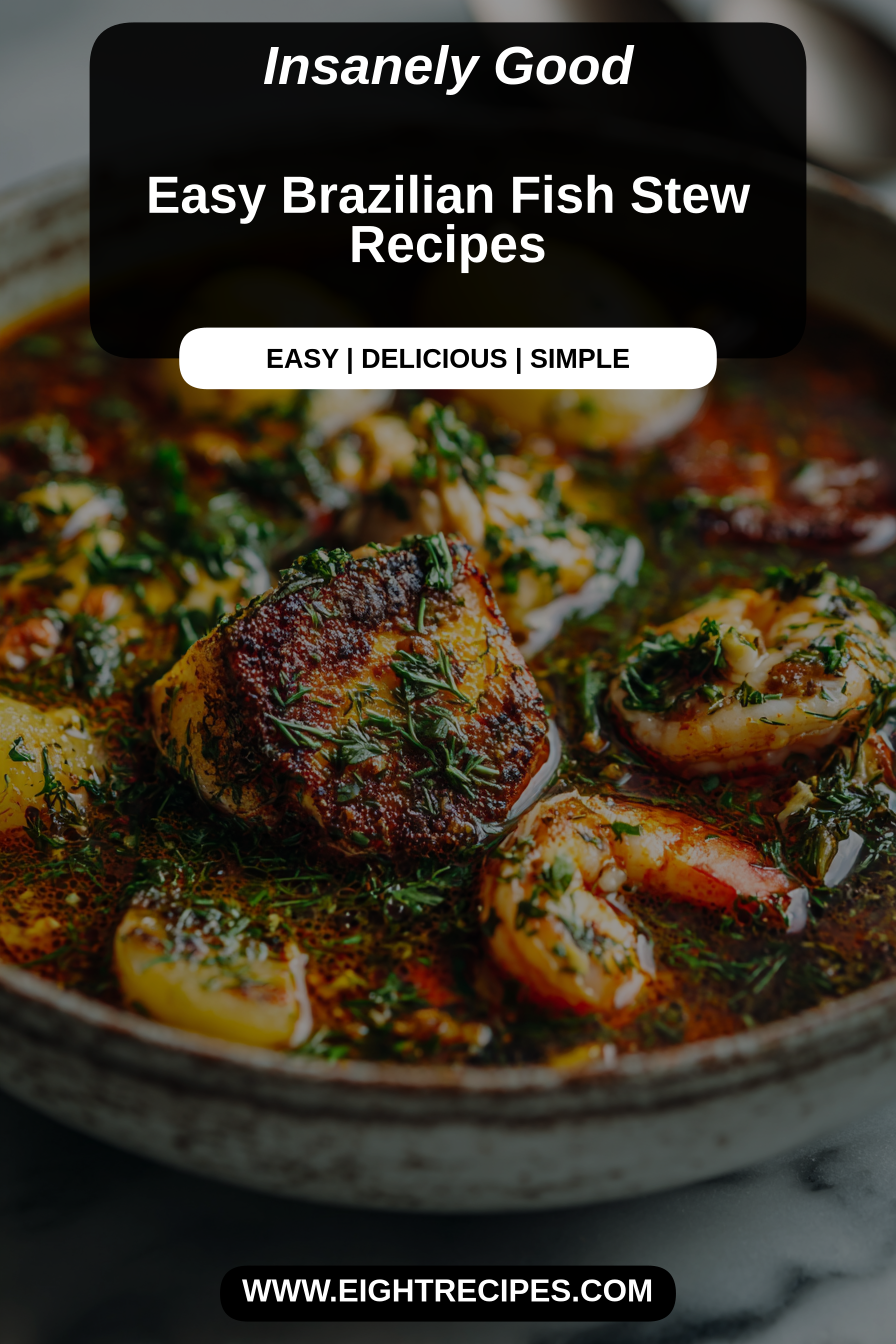
Easy Brazilian Fish Stew Recipes
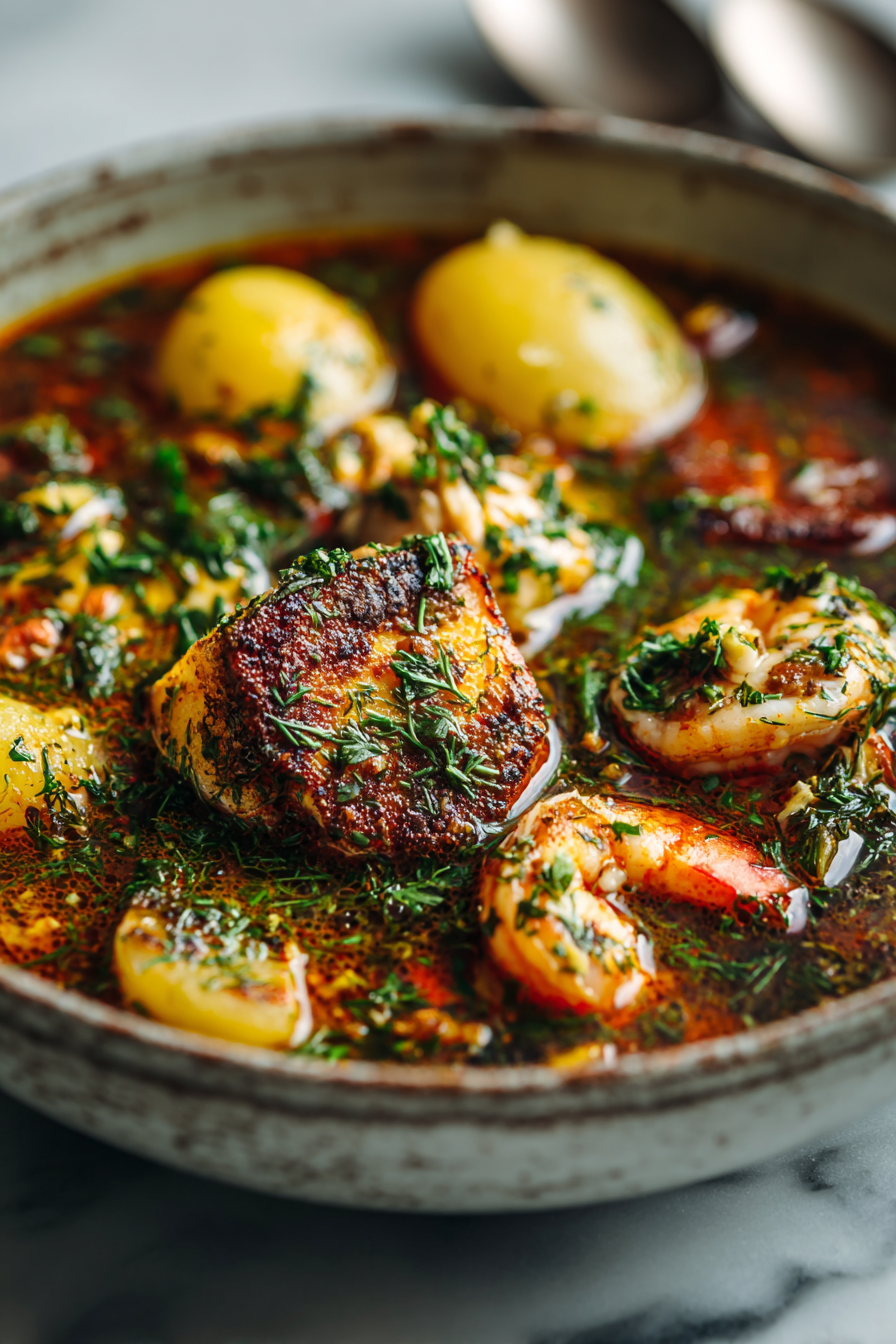
There’s a warmth that radiates from a bowl of Brazilian fish stew, a dish that instantly transports you to sunnier shores with its vibrant colors and incredible depth of flavor. This particular rendition, a moqueca-inspired creation, marries flaky white fish with creamy coconut milk, bright tomatoes, and aromatic herbs, creating a symphony of tastes that feels both exotic and deeply comforting. It’s a culinary hug, perfect for any evening when you crave something nourishing, flavorful, and just a little bit special.
My husband, Mark, can be a bit of a creature of habit, but this Brazilian fish stew is one of those dishes that pulls him right out of his comfort zone and into an entirely new culinary landscape. The first time I made it, I remember him being skeptical about the coconut milk and fish combination. He’s more of a traditionalist when it comes to seafood. But one bite, and his eyes widened. He immediately reached for seconds, then thirds, declaring it “the best fish dish” I had ever made. Now, whenever we have a busy week, or if we’re feeling a bit under the weather and need a boost of sunshine on a plate, he’ll ask, “Are we making the fish stew tonight?” It’s become our go-to for a healthy, delicious meal that always feels like a treat.
Why You’ll Love This Easy Brazilian Fish Stew Recipes
* It’s a vibrant one-pot meal that brings a taste of the tropics to your table, even on the coldest days.
* The combination of tender, flaky fish with a rich, aromatic coconut-tomato broth is utterly satisfying and incredibly nourishing.
* It’s surprisingly simple to prepare, making it a fantastic option for a weeknight dinner that feels gourmet without the fuss.
* The flavors deepen beautifully overnight, meaning leftovers are an absolute dream for lunch the next day.
* It’s naturally gluten-free and dairy-free, making it a crowd-pleaser for various dietary needs without sacrificing any flavor.
Behind the Recipe
Brazilian fish stew, particularly the moqueca I draw inspiration from, is a masterpiece of layering flavors without overcomplicating things. What I’ve learned making this at home is that the key lies in building those aromatic foundations. Don’t rush the sautéing of the onions, garlic, and bell peppers; they lay the groundwork for the entire dish. Another little touch that truly makes it shine is using fresh lime juice and cilantro at the very end. This brightens everything up, cutting through the richness of the coconut milk and adding a burst of freshness that is essential. A common pitfall can be overcooking the fish, which will result in a tough, rubbery texture. Fish cooks quickly, so add it last and let it gently poach in the simmering broth until just opaque.
Shopping Tips
– Seafood: Opt for a firm, white fish like cod, snapper, mahi-mahi, or halibut. Look for fillets that are glossy and smell fresh, not “fishy.” If buying frozen, ensure it’s well-packaged and free of freezer burn.
– Vegetables: Choose brightly colored bell peppers (red, yellow, or orange add a lovely sweetness) that feel firm and heavy for their size. Fresh, ripe tomatoes will lend the best flavor and acidity.
– Canned Goods: Full-fat coconut milk is essential for that creamy, luscious texture. Don’t skimp with light versions unless absolutely necessary. For diced tomatoes, choose a brand you trust; fire-roasted can add another layer of flavor.
– Fresh Herbs: A generous bunch of fresh cilantro is non-negotiable for authentic flavor. Look for vibrant green leaves without any wilting or yellowing.
– Citrus: Fresh limes are critical for balancing the richness of the stew. Pick limes that are firm and heavy, indicating plenty of juice inside.
– Fats & Oils: While good quality olive oil works wonderfully, if you can find dendê oil (red palm oil) in an international market, it adds an authentic, slightly smoky, nutty flavor unique to traditional moqueca.
Prep Ahead Ideas
You can get a significant head start on this stew the day before. Chop all your onions, garlic, and bell peppers, storing them in separate airtight containers in the fridge. You can also dice your tomatoes if using fresh, or simply have your canned goods ready to go. The fish can be portioned, seasoned lightly with salt and pepper, and kept chilled until you’re ready to cook. This kind of prep ahead truly smooths out a busy weeknight, turning what could be a leisurely cook into a quick assembly task.
Time-Saving Tricks
To genuinely cut down on cooking time, have all your ingredients measured and chopped (mise en place!) before you even turn on the stove. Using good quality canned diced tomatoes eliminates chopping fresh ones, and frozen bell peppers can work in a pinch, though fresh offers better texture. Don’t be tempted to overcrowd your pot when sautéing the vegetables; cook them in batches if necessary to ensure they caramelize rather than steam. That said, resist the urge to rush the simmering phase once the coconut milk and tomatoes are in. A gentle simmer allows the flavors to meld beautifully, and this is where slowing down actually improves the result.
Common Mistakes
One common mistake is overcooking the fish. Remember, fish fillets cook very quickly in hot liquid, often in just 5-8 minutes depending on thickness. You want it tender and flaky, not rubbery. Another pitfall can be not seasoning adequately throughout the cooking process. Taste your broth before adding the fish and adjust salt and pepper. A watery stew can happen if you use light coconut milk or add too much liquid. If it seems too thin, let it simmer uncovered for a few extra minutes to reduce.
What to Serve It With
This Brazilian fish stew is absolutely perfect served with a simple bowl of fluffy white rice, which soaks up all that incredible broth. For something extra, a side of toasted crusty bread is wonderful for dipping. A light green salad with a bright vinaigrette would also be a lovely, fresh counterpoint to the richness of the stew.
Tips & Mistakes
While this dish is fairly forgiving, ensure you’re using a pot large enough to comfortably hold all the ingredients, especially the fish, without overcrowding. Overcrowding can lead to steaming instead of a gentle simmer, affecting the texture and flavor. Also, be mindful of the heat level; a gentle simmer is key to coaxing out the best flavors and preventing the coconut milk from breaking. If you want a little kick, a pinch of red pepper flakes or a finely diced jalapeño added with the bell peppers can enhance the warmth.
Storage Tips
Store in airtight containers in the fridge. It reheats beautifully, but if you sneak a bite cold straight from the container, it still works.
Variations and Substitutions
This recipe is wonderfully adaptable. If white fish isn’t your preference, shrimp or even firm tofu can be substituted, though cooking times will vary. For a different flavor profile, a pinch of smoked paprika can add a lovely depth. If you can’t find fresh cilantro, fresh parsley is a decent substitute, though it won’t have quite the same vibrant, earthy notes. Want to add more vegetables? Spinach, zucchini, or even sweet potato chunks (added with the bell peppers) would be delicious. While dendê oil is authentic, good quality olive oil is a perfectly fine and widely available substitute that will still yield a fantastic stew.