Easy Hibachi Noodles Recipe
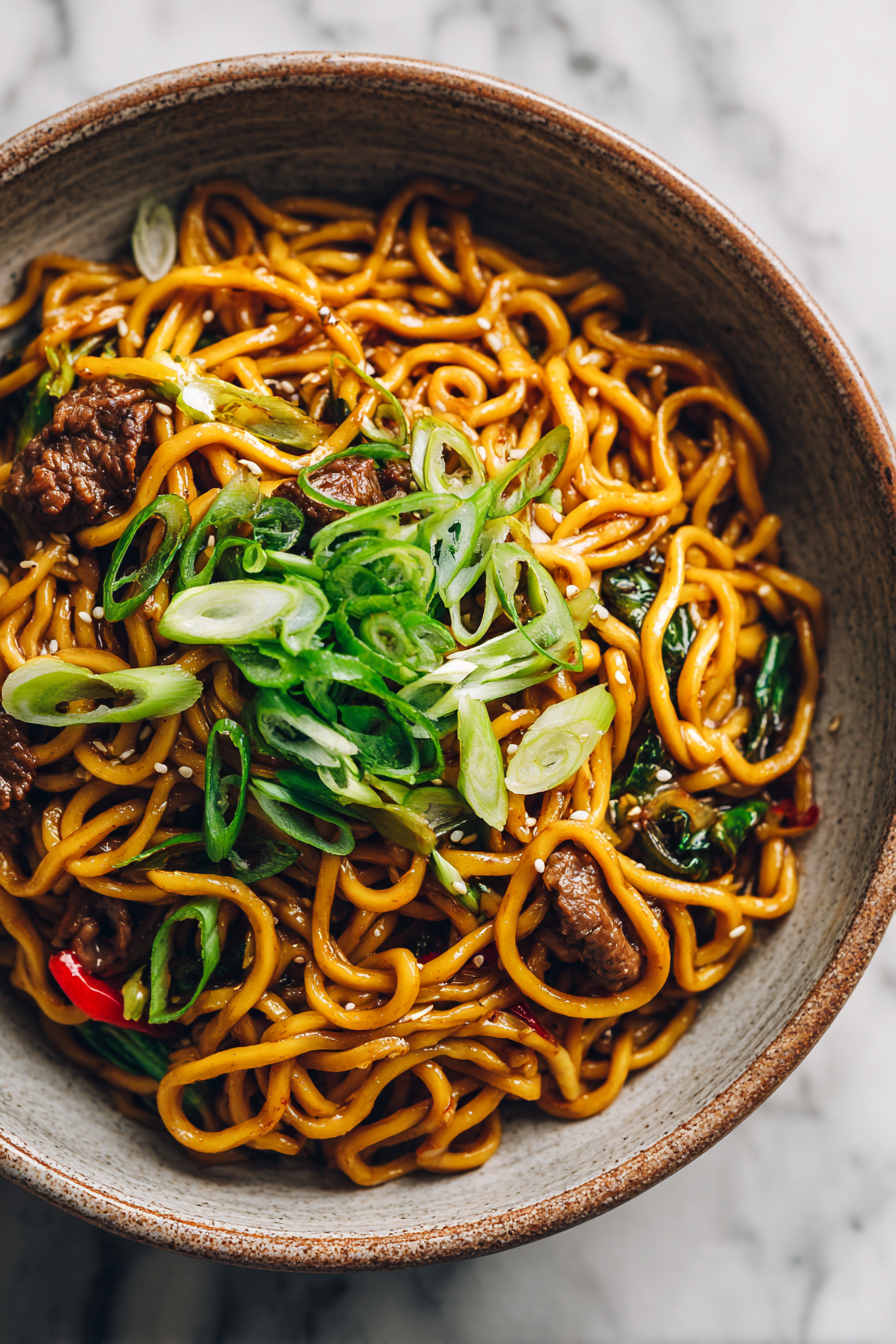
There are some dishes that just transport you, taking you back to a favorite restaurant experience or a moment of pure comfort. For me, these easy hibachi noodles do exactly that. They capture that irresistible balance of savory, sweet, and umami that makes Japanese steakhouse food so addictive, but in a way that’s completely achievable in your own kitchen. It’s a testament to simple ingredients and high heat working their magic to create something truly special, a meal that feels both indulgent and surprisingly quick to prepare.
My husband, bless his heart, is a creature of habit when it comes to restaurant cravings. Any time we’d pass our local hibachi spot, I’d hear a wistful sigh and a comment about “those noodles.” One evening, after a particularly long day, I decided to try and bring that taste home. The first attempt was… enthusiastic, let’s say. The noodles were a little too soft, the sauce a bit off-balance. But with each try, I got closer, refining the sauce and perfecting the technique. Now, “hibachi noodle night” is a celebrated event in our house. The kids cheer, my husband beams, and I get that quiet satisfaction of seeing everyone enjoy a meal that started with a simple craving and evolved into a beloved family staple. It’s more than just food; it’s a little piece of joy we share around the dinner table.
Why You’ll Love This Easy Hibachi Noodles Recipe
- Unbelievably Flavorful: This recipe delivers that iconic savory-sweet-umami punch you crave from restaurant hibachi, perfectly balanced and deeply satisfying.
- Lightning Fast Weeknight Meal: From prep to plate, you can have these delicious noodles on the table in under 30 minutes, making it a lifesaver for busy evenings.
- Customizable for Any Palate: Easily adjust the sweetness, add your favorite veggies or protein, or dial up the spice to suit exactly what your family loves.
- Simple, Accessible Ingredients: You won’t need any specialty store trips here; everything required is likely already in your pantry or readily available at any grocery store.
Behind the Recipe
Creating really great hibachi noodles at home comes down to a few key principles I’ve picked up over time. The most crucial is high heat; you want that quick sizzle to caramelize the sauce and get a bit of char on your vegetables, not a slow simmer. Another thing I learned is that the sauce ratio is everything. Too much soy sauce can make it overly salty, too much sugar makes it cloying. It’s about finding that sweet spot where all the flavors sing together. Don’t be afraid to taste and adjust! I often find people trip up by overcooking the noodles, turning them mushy instead of pleasantly chewy. The little touch that truly makes it shine? A drizzle of toasted sesame oil right at the end. It adds an incredible depth and nutty aroma that’s instantly recognizable and deeply comforting.
Shopping Tips
- Grains/Pasta: Look for fresh or dried yakisoba noodles, ramen noodles (without the seasoning packet), or even regular spaghetti. The texture is important here, so avoid overly thin pasta.
- Vegetables: Carrots and cabbage are staples, but feel free to add other quick-cooking options like snap peas, broccoli florets, or sliced mushrooms. Freshness is key for that vibrant crunch.
- Fats & Oils: You’ll need a high smoke point oil like canola, grapeseed, or vegetable oil for cooking. Don’t skip the toasted sesame oil—it’s a flavor powerhouse, usually found in the Asian aisle.
- Canned Goods: Opt for low-sodium soy sauce to control the saltiness, allowing you to season more precisely. A good quality chicken or vegetable broth also makes a difference in the sauce’s depth.
- Sweeteners: Granulated sugar is standard, but brown sugar can add a lovely molasses note. Choose whatever you have on hand; the quantities are small enough not to drastically change the profile.
- Spices: Fresh garlic and ginger are ideal, but quality garlic powder and ground ginger will work in a pinch. Check their expiration dates to ensure they’re still potent.
Prep Ahead Ideas
This recipe is already quite quick, but a little prep can make it even smoother. You can chop all your vegetables (carrots, cabbage, onions) a day or two in advance and store them in an airtight container in the fridge. The sauce can also be whisked together ahead of time and kept in a sealed jar in the refrigerator. Having everything prepped and ready means when dinner time rolls around, all you have to do is cook the noodles and stir-fry. It really does smooth out a busy weeknight, turning what could be a scramble into a calm and enjoyable cooking experience.
Time-Saving Tricks
Embracing a few smart shortcuts can make these noodles come together in a flash. Don’t hesitate to buy pre-shredded carrots or pre-sliced cabbage from the produce section. Using frozen peas or edamame is also a great way to add greens without extra chopping. My number one trick is always to have my mise en place ready before I even turn on the stove – all ingredients measured, chopped, and within arm’s reach. This prevents frantic searching mid-stir-fry and ensures everything cooks evenly. While speed is great, don’t rush the actual cooking of the vegetables; give them a minute or two on high heat to get a nice sear before stirring, as this develops crucial flavor.
Common Mistakes
One of the most common pitfalls with these noodles is overcrowding the pan. If you try to cook too many noodles or vegetables at once, the temperature drops, and instead of stir-frying, you end up steaming, leading to soggy, unappetizing results. Cook in batches if your pan isn’t large enough. Another mistake is under-seasoning the sauce or not tasting it before adding to the pan; it’s easier to adjust while it’s in the bowl. Lastly, overcooking the noodles themselves is a big no-no. They should be just al dente, as they’ll continue to cook slightly when tossed with the hot sauce and vegetables. If your sauce ends up a bit thin, you can rescue it by dissolving a teaspoon of cornstarch in a tablespoon of cold water and stirring it into the hot sauce until thickened.
What to Serve It With
These hibachi noodles are incredibly versatile and can be a meal in themselves, but they also pair beautifully with a variety of proteins. Try them alongside grilled chicken, seared shrimp, thinly sliced steak (like a quick stir-fry beef), or even crispy pan-fried tofu. A simple side salad with a ginger dressing would also be a lovely, refreshing counterpoint to the richness of the noodles.
Tips & Mistakes
Storage Tips
Store in airtight containers in the fridge. It reheats beautifully, but if you sneak a bite cold straight from the container, it still works.
Variations and Substitutions
These noodles are wonderfully adaptable. If you can’t find yakisoba noodles, spaghetti or even ramen (drain and discard the seasoning packet) work perfectly well. For a different flavor profile, swap out some of the soy sauce for hoisin or oyster sauce, which will add a richer, sweeter depth. Feel free to load up on extra vegetables—broccoli, bell peppers, or mushrooms are all excellent additions. If you like a little heat, a dash of sriracha or red pepper flakes in the sauce or as a garnish is fantastic. For a gluten-free version, simply use tamari instead of soy sauce. While the classic sauce is excellent, don’t be afraid to experiment with your favorite stir-fry sauces, keeping in mind that store-bought options can be quite salty, so taste as you go.