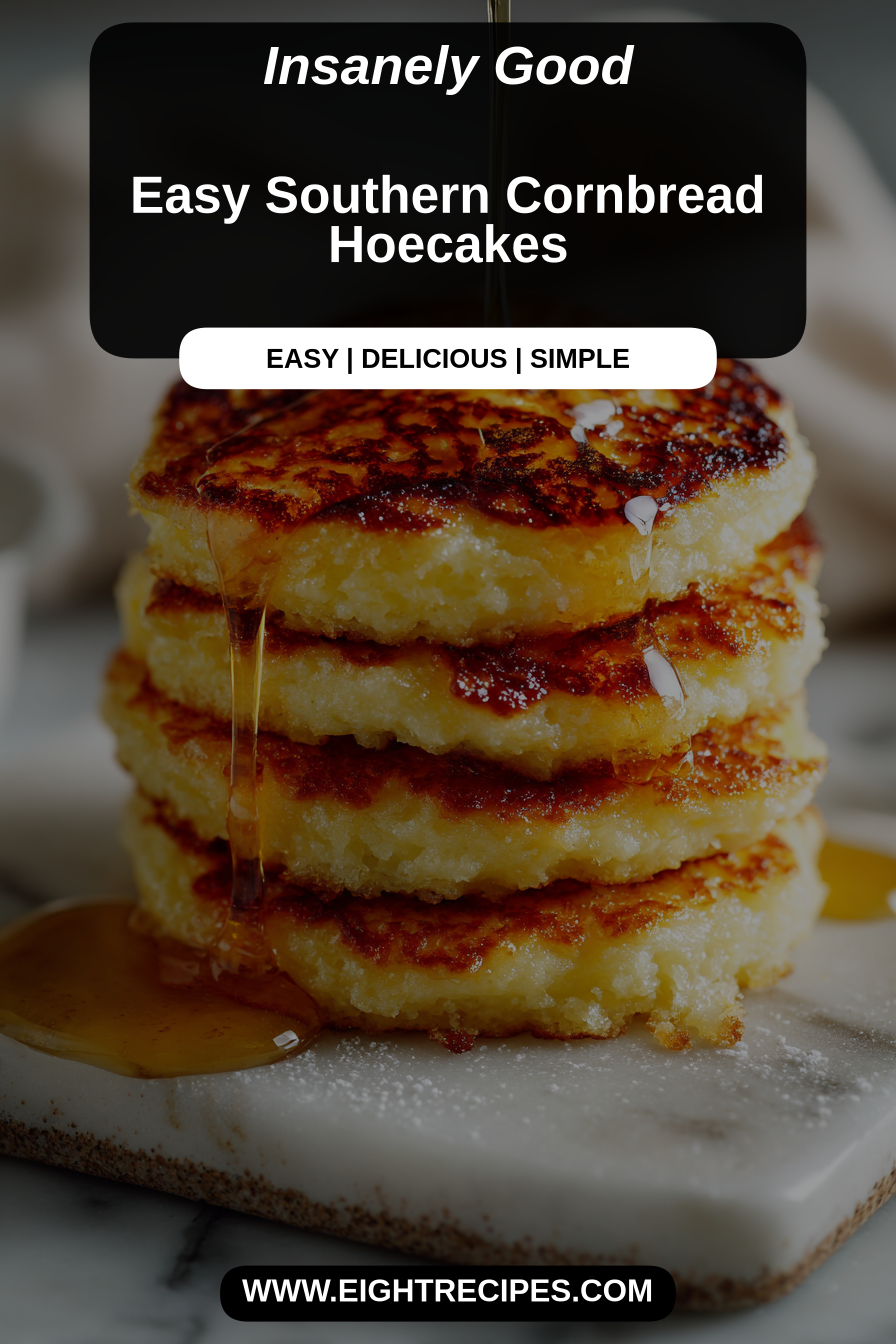
Easy Southern Cornbread Hoecakes
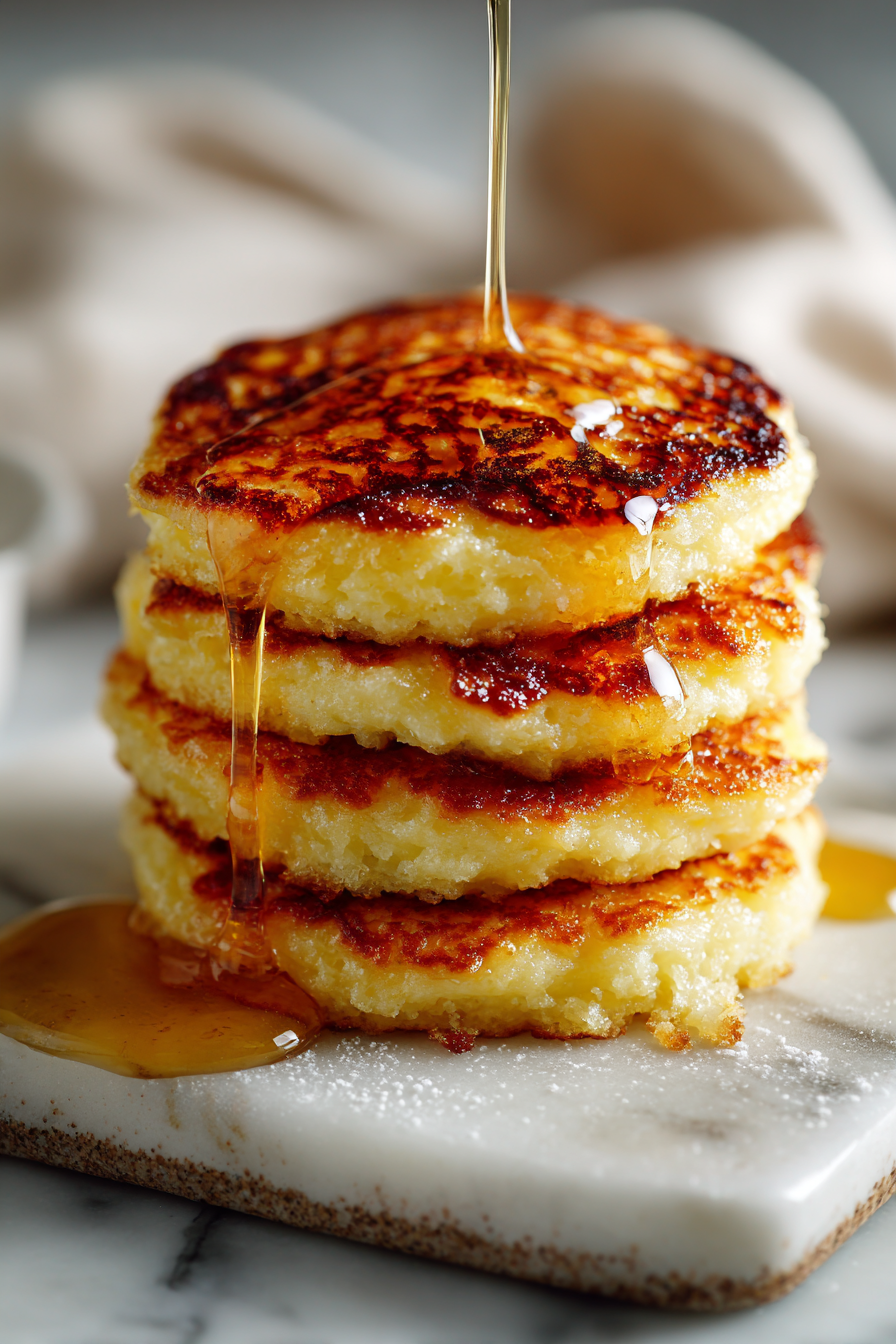
There’s something incredibly comforting about a batch of freshly made hoecakes. These thin, savory cornmeal pancakes are a beloved Southern classic, with roots tracing back to humble beginnings when they were cooked on a hoe over an open fire. Today, they’re a simple pleasure that brings a touch of rustic charm and a whole lot of flavor to any meal. Think of them as the perfect crisp-edged, tender-centered complement to just about anything savory, or even a delightful canvas for a drizzle of honey.
My husband, Mark, absolutely adores these Easy Southern Cornbread Hoecakes. He grew up in a household where cornbread was a staple, but these thin, crispy versions hold a special place in his heart. I remember one particularly busy Tuesday evening when our dinner plans went awry. I was staring at a half-empty fridge, wondering what to make, and Mark, ever the optimist, suggested, “How about those hoecakes? We’ve got cornmeal!” In less than thirty minutes, we had a stack of golden discs, hot off the griddle, which we enjoyed simply with a dollop of butter and a sprinkle of salt, alongside some leftover roasted chicken. It felt like a small, unexpected feast, a testament to how these simple hoecakes can truly save a meal and bring a sense of warmth and tradition to even the most chaotic weeknights. They’ve since become our go-to for impromptu meals or as a hearty side dish when we crave something deeply satisfying and effortlessly delicious.
Why You’ll Love This Easy Southern Cornbread Hoecakes
This recipe is a true friend in the kitchen, offering both simplicity and incredible flavor. You’ll fall for its quick preparation time, making it perfect for busy weeknights when you want something homemade without the fuss. The hoecakes themselves boast an irresistible texture – beautifully crispy on the edges from the hot griddle, while remaining wonderfully tender and moist in the center. They are incredibly versatile, equally at home soaking up the gravy from a savory stew as they are being enjoyed simply with a pat of butter and a drizzle of maple syrup for a weekend breakfast. Plus, they’re a fantastic way to stretch a meal and enjoy a taste of Southern comfort without requiring any specialized ingredients.
Behind the Recipe
Making hoecakes at home has taught me a lot about the beauty of simple ingredients. One of the most important lessons I’ve learned is not to overmix the batter; just a few gentle stirs until everything is combined is all it takes to keep them tender, avoiding a tough texture. The griddle temperature is another key player here; too low and they’ll be greasy and never crisp, too high and they’ll burn before cooking through. I usually aim for a medium-high heat, and I test the first one to adjust as needed. And don’t be shy with the fat – whether it’s a neutral oil or classic bacon grease, it’s what gives them that gorgeous golden crust. Little touches, like using good quality yellow cornmeal, truly make a difference in flavor and texture. Resist the urge to make them too thick; these are meant to be thin and delightfully crisp.
Shopping Tips
– Grains/Pasta: Look for a good quality yellow cornmeal, preferably medium grind. A finer grind will result in a softer cake, while a coarser one gives more texture. Avoid self-rising cornmeal unless the recipe accounts for it.
– Dairy: Buttermilk is essential for that signature tangy flavor and tender crumb. If you don’t have it, you can easily make your own by adding a tablespoon of white vinegar or lemon juice to regular milk and letting it sit for five minutes.
– Baking Basics: Check the expiration dates on your baking powder and baking soda. Fresh leaveners are crucial for the proper rise and light texture of your hoecakes.
– Fats & Oils: A neutral oil like canola or vegetable oil is perfect for griddle-frying. For an extra layer of classic Southern flavor, rendered bacon grease is an absolute game-changer if you have it on hand.
– Eggs: Fresh large eggs are ideal for binding the batter and adding richness.
Prep Ahead Ideas
You can certainly get a head start on these hoecakes the day before. Whisk together all your dry ingredients – the cornmeal, flour, baking powder, baking soda, and salt – in a bowl and cover it tightly. Separately, measure out your buttermilk and egg, storing them covered in the fridge. This way, when you’re ready to cook, all you need to do is combine the wet and dry ingredients, and you’ll have fresh batter in minutes. Just remember not to mix the wet and dry until you’re just about ready to start cooking, as the leavening agents begin to activate once moistened.
Time-Saving Tricks
The biggest time-saver for hoecakes is truly a good mise en place. Have all your ingredients measured and ready before you start mixing. Preheat your griddle while you’re combining the wet and dry ingredients; that way, it’ll be at the perfect temperature as soon as your batter is ready. A wide, shallow whisk makes quick work of incorporating the dry ingredients evenly. While these are quick to make, resist the urge to rush the griddle heating – getting that temperature just right upfront prevents issues like greasy hoecakes or burnt exteriors. A little patience in the preheat saves time (and frustration) in the long run.
Common Mistakes
One common mistake I see is overmixing the batter, which develops the gluten in the flour and leads to tough, chewy hoecakes instead of tender ones. Mix just until the ingredients are combined, a few lumps are perfectly fine. Another pitfall is an incorrect griddle temperature: if it’s not hot enough, the hoecakes will absorb too much oil and be greasy; too hot, and they’ll burn on the outside before cooking through. Aim for a medium-high heat and watch for small bubbles on the surface as a cue to flip. I once made them too thick, thinking bigger was better, but they lost their signature crispy edge. If your batter seems too thick, a splash more buttermilk can help; if too thin, a tablespoon of cornmeal might rescue it.
What to Serve It With
Hoecakes are incredibly versatile! They are perfect alongside any Southern-inspired meal, like fried chicken, collard greens, slow-cooked pulled pork, or a hearty bowl of chili or Brunswick stew. For breakfast or brunch, serve them with eggs, bacon, sausage, and a generous drizzle of maple syrup or honey. They’re also fantastic simply slathered with butter, jam, or apple butter.
Tips & Mistakes
Storage Tips
Store in airtight containers in the fridge. It reheats beautifully, but if you sneak a bite cold straight from the container, it still works.
Variations and Substitutions
These hoecakes are wonderful as is, but they also welcome creative additions. For a savory twist, try stirring in a handful of finely chopped jalapeños or chives, or a quarter cup of grated cheddar cheese to the batter. A small can of well-drained corn kernels can add a lovely sweetness and texture. If you need a gluten-free option, a 1:1 gluten-free all-purpose flour blend can often be substituted for the wheat flour, though the texture might be slightly softer. For a dairy-free version, use a non-dairy milk (like unsweetened almond or soy) with a tablespoon of apple cider vinegar to create a buttermilk substitute. While it’s tempting to add a lot of sugar to the batter for a sweeter hoecake, I find the classic version shines best with just a touch of sweetness, letting you customize with toppings.