Gochujang Pork Noodles
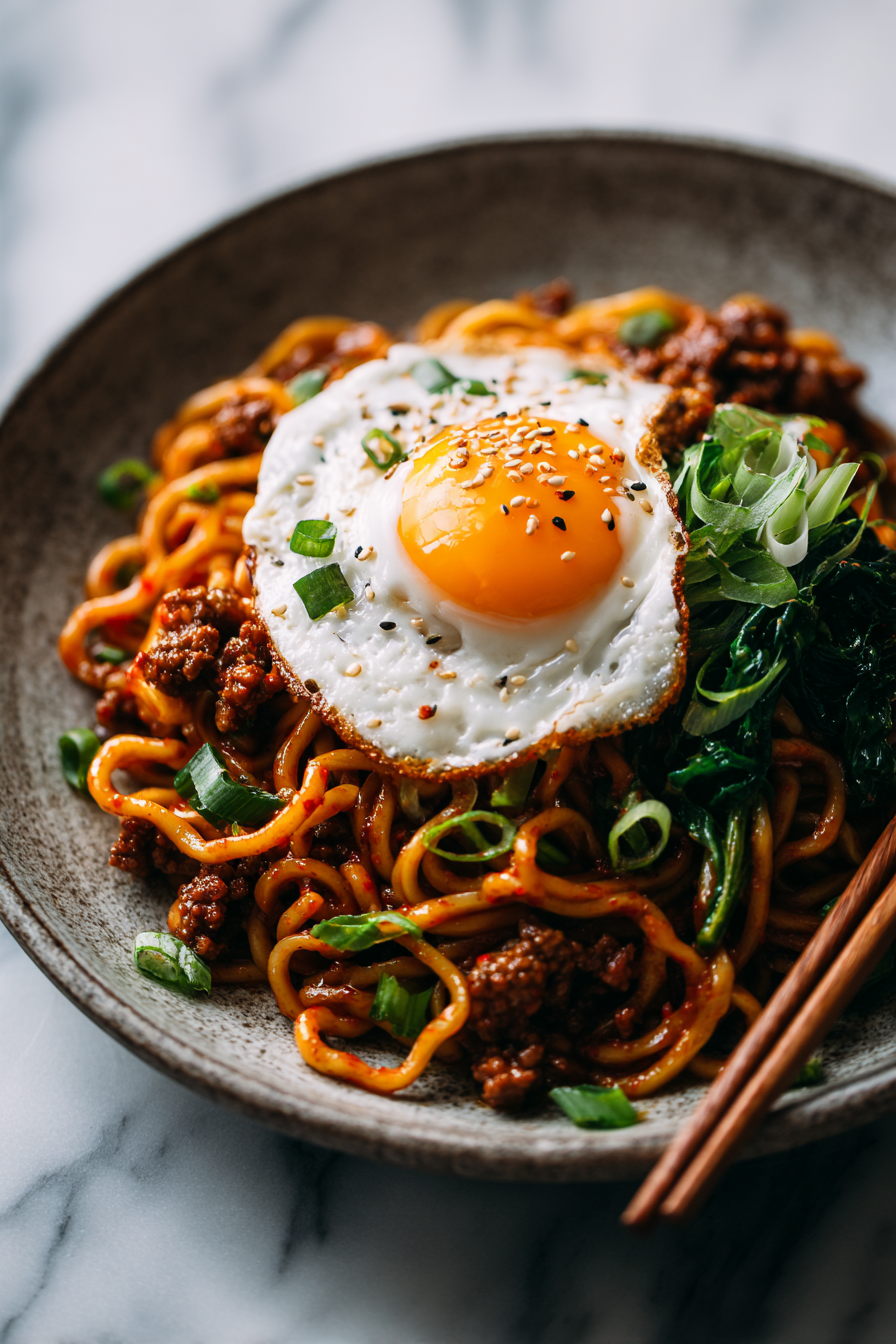
There’s a comfort in a bowl of noodles that few other dishes can rival, especially when those noodles are coated in a rich, savory, and subtly spicy sauce that sings on your palate. This Gochujang Pork Noodles recipe brings all of that to your kitchen in a remarkably short amount of time, proving that deeply satisfying weeknight meals don’t have to be complicated. It’s a harmonious blend of tender ground pork, chewy noodles, and a vibrant sauce built around the incredible Korean chili paste, gochujang, making it an instant favorite for anyone who loves bold flavors.
My husband, bless his heart, is usually a creature of habit when it comes to his favorite dishes. But the first time I whipped up these Gochujang Pork Noodles, his eyes lit up in a way that told me we had a new contender for the top spot. I remember one particularly hectic Tuesday evening; we’d both had long days, and the fridge was looking a bit sparse. I pulled out some ground pork, a jar of gochujang, and some ramen noodles I always keep on hand. Within thirty minutes, the kitchen was filled with the most incredible aroma, and a steaming bowl of these noodles was in front of him. He devoured it, declared it “better than takeout,” and has been asking for it at least once a month ever since. It’s become our go-to for a quick, comforting meal that feels like a big hug after a busy day.
Why You’ll Love This Gochujang Pork Noodles
You’ll absolutely fall for this Gochujang Pork Noodles because it delivers an incredible depth of flavor with surprisingly little effort. The gochujang provides a fantastic umami kick that’s both sweet and spicy, making every bite exciting. It’s incredibly adaptable, allowing you to toss in whatever vegetables you have on hand, transforming it into a complete meal with ease. Plus, it comes together so quickly that it’s ideal for those busy weeknights when you want something homemade and satisfying but don’t have hours to spend in the kitchen.
Behind the Recipe
What I’ve truly come to appreciate about making these Gochujang Pork Noodles at home is the balance. Gochujang, while being the star, can be quite potent, so learning to balance its fiery, sweet notes with savory soy sauce and a touch of sugar or honey is key. I’ve found that browning the pork really well to get those crispy bits at the bottom of the pan adds a layer of flavor you just can’t skip; those fond bits are pure gold when deglazed into the sauce. A common pitfall can be overcooking the noodles, making them soggy, or under-reducing the sauce, leaving it too watery. Pay attention to your noodle cooking time and let the sauce simmer just long enough to thicken slightly. For that extra sparkle, don’t forget a generous sprinkle of fresh chopped scallions and a drizzle of toasted sesame oil right before serving – they really brighten everything up.
Shopping Tips
– Protein: I usually reach for lean ground pork, but if you prefer a richer flavor, a slightly higher fat content works beautifully here. Sometimes I even mix in a bit of ground beef for an extra layer of savory depth.
– Specialty Item: Good quality gochujang is crucial. You’ll find it in the international aisle of most well-stocked grocery stores or at any Asian market. It comes in a distinctive red tub, and it’s a pantry staple once you discover its magic.
– Grains/Pasta: Any ramen-style noodle or even thick udon noodles work wonderfully. Instant ramen packs are fine, just discard the seasoning packet! For a quicker meal, spaghetti or linguine can be a surprisingly good stand-in.
– Vegetables: Don’t underestimate the power of fresh aromatics like garlic and ginger. Look for firm, unblemished cloves of garlic and smooth, unwrinkled ginger root for the best flavor.
– Fats & Oils: Toasted sesame oil is a flavor powerhouse. A little goes a long way, so pick a good quality one—it adds a deep, nutty aroma that truly completes the dish.
– Greens: Scallions are non-negotiable for garnish. Choose bright green stalks with firm white bottoms; they add a fresh, pungent crunch that cuts through the richness of the sauce.
Prep Ahead Ideas
Chopping your aromatics—garlic, ginger, and scallions—the day before saves a surprising amount of time on a busy weeknight. You can also whisk together the sauce ingredients (gochujang, soy sauce, sugar, etc.) and store them in a jar in the fridge. When it’s time to cook, all you need to do is brown the pork, add your prepped sauce and aromatics, and cook the noodles. It’s a fantastic strategy to ensure a delicious, home-cooked meal even when your schedule is packed.
Time-Saving Tricks
Mise en place is your best friend for this recipe; measuring and chopping everything before you start cooking makes the process smooth and quick. If you’re really pressed for time, using pre-minced garlic and ginger (though fresh is always preferred for flavor) can shave off precious minutes. Opt for quick-cooking noodles like ramen or thin spaghetti, which cook in just a few minutes. While it’s tempting to rush, don’t skip browning the pork thoroughly—those flavorful browned bits are essential for the sauce’s depth, and it’s one step where a little patience truly pays off.
Common Mistakes
One common mistake is overcooking the ground pork, which can make it dry and less flavorful. You want to cook it just until it’s no longer pink, allowing some of those lovely browned bits to form. Another pitfall is not tasting and adjusting the sauce as it simmers; the balance of spicy, sweet, and savory is personal, so don’t be afraid to add a little more sugar or a splash of water if needed. Finally, make sure to add your cooked noodles to the sauce *just* before serving to prevent them from becoming soggy or clumping together. If the sauce is too thick, a splash of noodle cooking water can loosen it up perfectly.
What to Serve It With
This Gochujang Pork Noodles dish is wonderfully satisfying on its own, but it pairs beautifully with simple, fresh sides that offer a contrast. A crisp cucumber salad, lightly dressed with rice vinegar and a touch of sesame oil, is a fantastic palate cleanser. A side of steamed bok choy or blanched green beans, perhaps with a sprinkle of toasted sesame seeds, also makes for a lovely, light accompaniment. And of course, a small bowl of kimchi is always welcome for those who love an extra fermented kick.
Tips & Mistakes
Storage Tips
Store in airtight containers in the fridge. It reheats beautifully, but if you sneak a bite cold straight from the container, it still works.
Variations and Substitutions
This recipe is incredibly versatile! If ground pork isn’t your preference, ground chicken, turkey, or even crumbled firm tofu make excellent substitutes; just adjust the cooking time slightly. For noodles, feel free to use anything from thick udon to ramen, rice noodles, or even standard spaghetti. To amp up the veggies, toss in some spinach, bell peppers, shredded carrots, or mushrooms during the last few minutes of cooking. If you like it spicier, a pinch of red pepper flakes with the gochujang will do the trick, or for less heat, reduce the gochujang and add more soy sauce. For a touch of sweetness, honey or maple syrup can stand in for sugar.