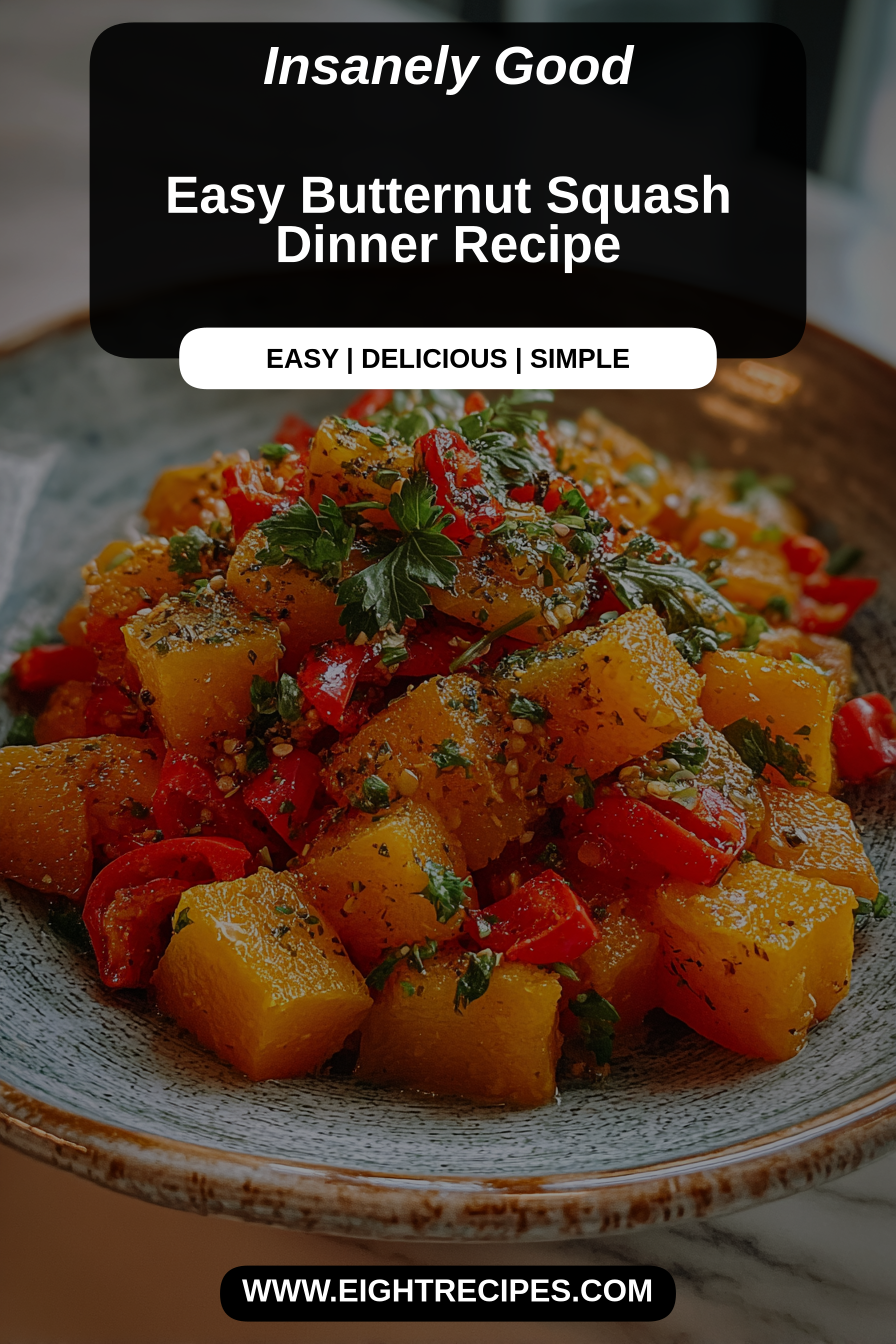
Easy Butternut Squash Dinner Recipe
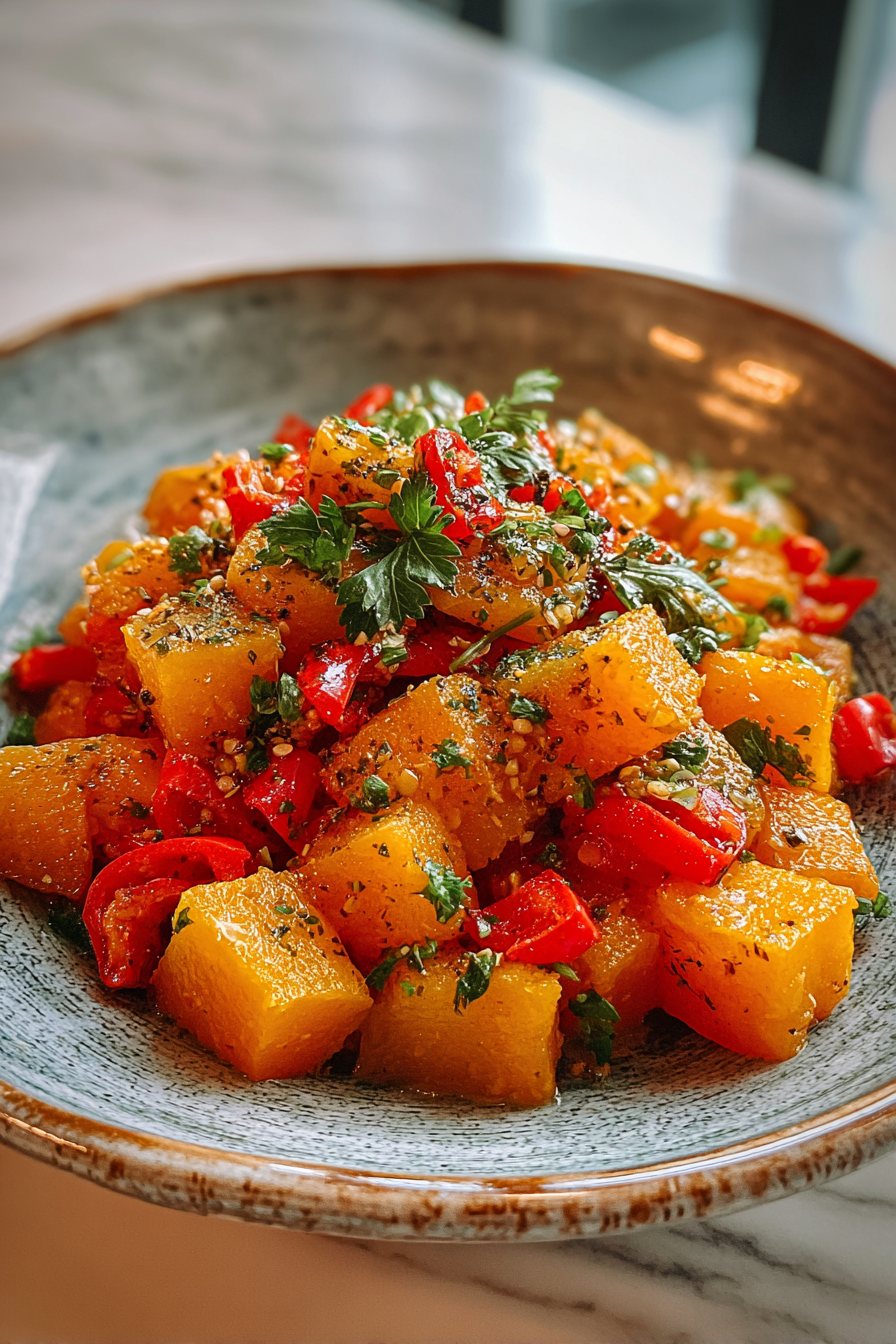
This dish truly is a weeknight revelation—a vibrant, satisfying meal that feels special but comes together with surprising ease. We’re talking about tender, caramelized butternut squash, beautifully salty and chewy halloumi cheese, all brought to life by a bright, zesty gremolata. It’s a harmonious blend of textures and tastes, roasting almost entirely on a single sheet pan, which means less fuss for you and more time to enjoy a truly delightful meal.
I remember the first time I made this for my husband, Mark. He’s usually a creature of habit when it comes to vegetables, and while he appreciates a good roast, butternut squash wasn’t exactly at the top of his requested list. I’d decided to try something new, wanting a vegetarian option that still felt hearty and satisfying. The kitchen filled with the warm, slightly sweet scent of the roasting squash, and then that incredible sizzle as I seared the halloumi. When it hit the table, glistening with the fresh gremolata, he was intrigued. “What’s this magic?” he asked, skeptically. One bite, and he was hooked. Now, it’s a regular request, especially when we’re looking for a vibrant, flavorful meal that doesn’t feel heavy. It’s become our go-to for a “Meatless Monday” or simply when we need a burst of sunshine on our plates.
Why You’ll Love This Easy Butternut Squash Dinner Recipe
* It’s a complete meal: Sweet, savory, salty, and bright, all in one go. You get your vegetables, your protein (from the halloumi!), and a burst of fresh flavor without needing a separate side dish.
* Minimal cleanup: True to its name, this is a sheet pan wonder. Roasting everything on one tray means fewer dishes and more time to relax after dinner.
* A vibrant flavor profile: The earthy sweetness of butternut squash, combined with the irresistible salty chewiness of halloumi, and then crowned with a fresh, garlicky lemon-herb gremolata, is simply divine. It’s a dance of textures and tastes.
* Naturally satisfying and wholesome: Packed with nutrients and robust flavors, this dish leaves you feeling nourished and content without being overly heavy, making it perfect for any season.
* Customizable: While the core recipe is a winner, it’s also wonderfully adaptable. Add different herbs, a sprinkle of chili flakes, or switch up your cheese if you’re feeling adventurous.
Behind the Recipe
This recipe has truly become one of our cherished regulars because it hits all the right notes for a satisfying weeknight meal. What I’ve learned over many iterations is that the key to success really lies in the details—specifically, how you prepare your squash and handle the halloumi. People often trip up by not cutting the squash uniformly, which leads to some pieces being perfectly tender while others are still a bit too firm. Aim for roughly 1-inch cubes so everything roasts evenly. Another common point of contention is the halloumi; it’s a salty cheese, so don’t be tempted to over-salt the squash from the get-go. Instead, season the squash lightly, then adjust after combining with the halloumi and gremolata. The little touch that truly elevates this dish, making it shine, is the fresh gremolata. Don’t skip it! It provides that crucial bright, acidic counterpoint to the rich squash and salty cheese, tying all the flavors together beautifully.
Shopping Tips
– Vegetables: Choose a firm, unblemished butternut squash. Look for one that feels heavy for its size, indicating good moisture content.
– Cheese: Halloumi is the star here, so opt for a good quality block. It’s often found near the feta or specialty cheeses, and its squeaky texture when cooked is what we’re after.
– Fresh Herbs: Pick up a fresh bunch of Italian flat-leaf parsley for the gremolata. Look for vibrant green leaves without any wilting or yellowing.
– Citrus: Grab a bright, firm lemon. You’ll need both its zest and a squeeze of juice for the gremolata, so choose one with a fragrant peel.
– Fats & Oils: A good quality extra virgin olive oil is essential for roasting the squash and bringing richness to the gremolata.
– Crunch Extras: Toasted pine nuts or slivered almonds make a wonderful optional garnish, adding texture and nutty depth.
Prep Ahead Ideas
The beauty of this dish is how much you can do beforehand to make weeknight cooking a breeze. You can peel and cube the butternut squash up to two days in advance; just store the cubes in an airtight container in the refrigerator. For the gremolata, go ahead and finely chop your parsley, mince your garlic, and zest your lemon. Keep these separate until just before serving to maintain their vibrancy and potency. This prep means that when dinner time rolls around, all you’re doing is tossing, roasting, and searing—making a seemingly gourmet meal come together in mere minutes.
Time-Saving Tricks
While this recipe is already quite streamlined, a few habits can make it even faster. Investing in a good vegetable peeler and a sturdy chef’s knife will make quick work of the butternut squash prep. Don’t be afraid to use pre-cut butternut squash from the produce aisle if you’re truly pressed for time, though it costs a little more. When roasting, ensure your sheet pan isn’t overcrowded; if it is, the squash will steam instead of roast and caramelize. Divide it between two pans if necessary. And while it feels counterintuitive, resist the urge to constantly flip the squash; letting it sit undisturbed for longer periods allows those beautiful caramelized edges to form, which are crucial for flavor.
Common Mistakes
One common pitfall is over-crowding the sheet pan, which leads to steamed, rather than beautifully roasted and caramelized, squash. Give your squash pieces room to breathe! Another frequent error is over-salting the squash initially, forgetting that halloumi itself is quite salty. I once made the mistake of liberally salting my squash only to find the entire dish leaned too salty after adding the halloumi. Now, I season the squash lightly, and adjust at the end. If you find your gremolata isn’t as bright as you’d like, a simple rescue strategy is to add another squeeze of fresh lemon juice right before serving. And if your halloumi isn’t getting golden and crisp, ensure your pan is adequately hot before adding the cheese; a cold pan will just make it rubbery.
What to Serve It With
This sheet pan butternut squash with halloumi and gremolata is hearty enough to be a standalone main course. However, if you’re looking to round out the meal, a simple side salad with a light vinaigrette would be lovely, adding another layer of freshness and crunch. A small bowl of quinoa or couscous could also be served alongside for those wanting an extra carb component, allowing the savory juices to soak in.
Tips & Mistakes
Remember that the key to great roasted vegetables is high heat and not overcrowding your pan. This encourages caramelization and brings out the natural sweetness of the squash. Don’t be shy with the lemon zest in the gremolata—it truly brightens the entire dish and lifts the earthy flavors. A common mistake is not zesting the lemon before juicing it, which is much harder to do! Always zest first, then slice and juice.
Storage Tips
Store in airtight containers in the fridge. It reheats beautifully, but if you sneak a bite cold straight from the container, it still works.
Variations and Substitutions
While this combination is a winner, there are always ways to adapt it to your pantry or preferences. If halloumi isn’t available, firm feta cheese can be crumbled over the hot squash at the end, though it won’t have the same squeaky texture. For the gremolata, feel free to swap out some of the parsley for mint or basil for a different aromatic twist, or add a pinch of red pepper flakes for a subtle kick. If you don’t have butternut squash, sweet potatoes or even parsnips can be roasted similarly for a comparable earthy-sweet base. And for those who enjoy a bit of nuttiness, a sprinkle of toasted pumpkin seeds or walnuts over the finished dish adds a lovely crunch.