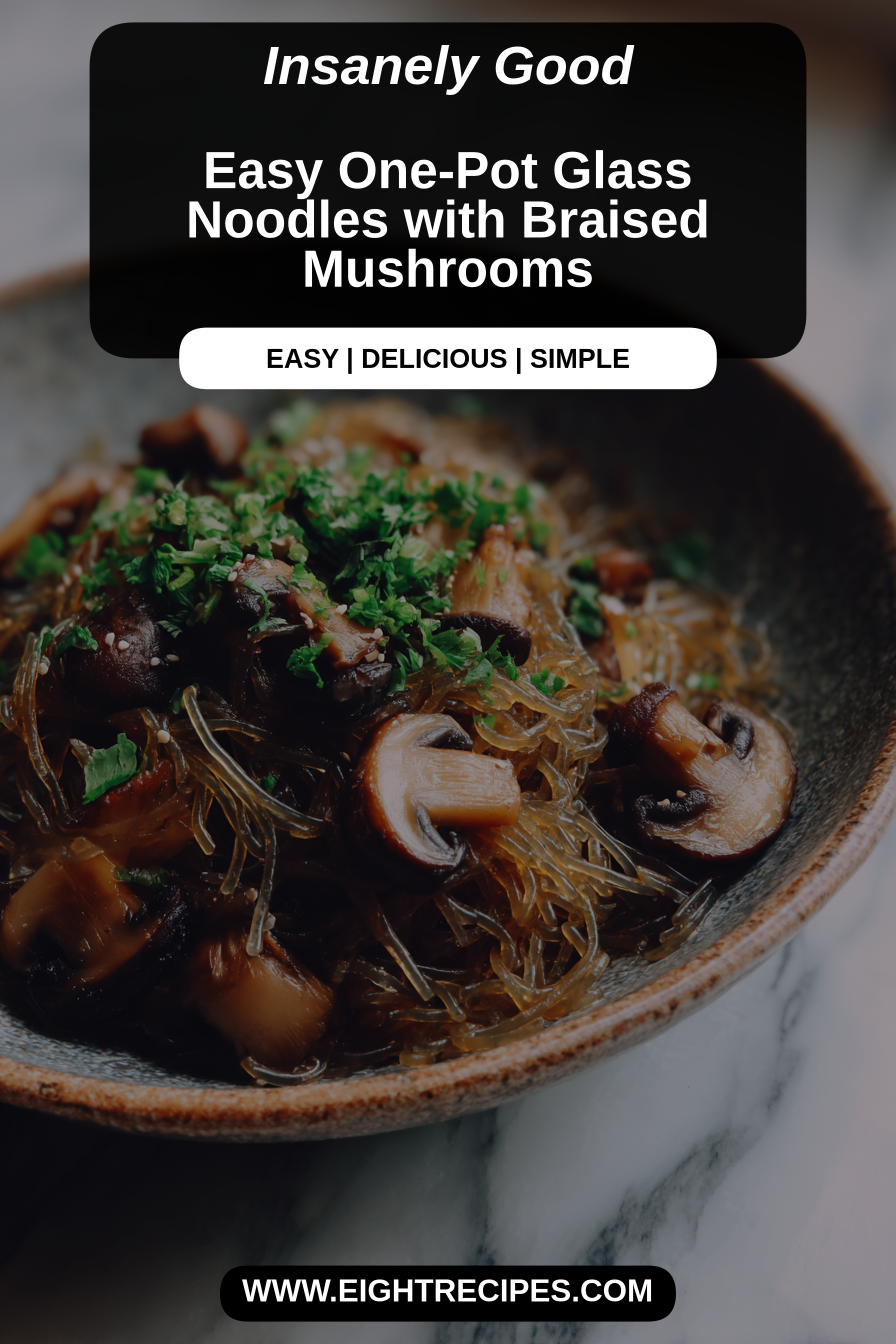
Easy One-Pot Glass Noodles with Braised Mushrooms
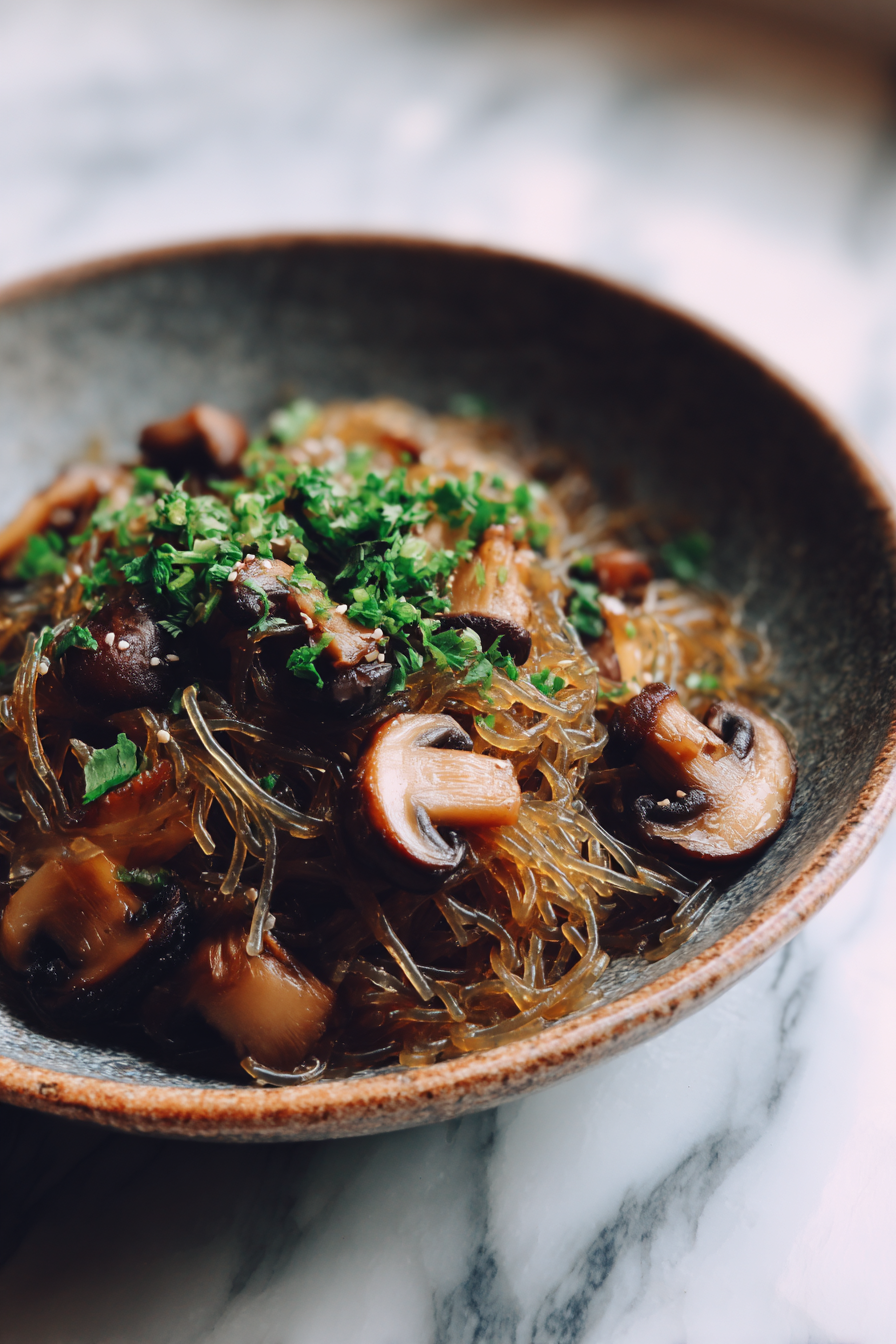
In a world buzzing with complex recipes and endless ingredient lists, there’s a quiet joy in discovering a dish that truly delivers on its promise of ease and flavor. This Easy One-Pot Glass Noodles with Braised Mushrooms is precisely that kind of recipe—a comforting, deeply savory meal that comes together with minimal fuss, leaving you with little to clean up and a happy, full belly. It’s a testament to how simple ingredients, thoughtfully prepared, can create something truly special. The delicate glass noodles soak up the rich, umami-packed braising liquid from the mushrooms, making every bite a delightful symphony of textures and tastes.
My husband, bless his heart, is usually a meat-and-potatoes kind of guy, but this dish has completely won him over. I remember the first time I made it, a particularly hectic Tuesday evening. I was scrambling after work, the kitchen a flurry of chopping and simmering, thinking I’d be lucky to get dinner on the table before bedtime. But as the fragrant steam of ginger, garlic, and savory mushrooms filled the house, he wandered in, curious. He took one bite of the finished dish and his eyes widened. “Honey,” he said, “this is incredible. It tastes like it took hours!” Since then, it’s become our secret weapon for busy weeknights, a delicious, wholesome meal that feels like a warm hug, proving that even the simplest ingredients can create a moment of pure culinary magic in our home.
Why You’ll Love This Easy One-Pot Glass Noodles with Braised Mushrooms
* Effortless Elegance: This dish truly lives up to its “one-pot” name, making cleanup a breeze. The entire meal comes together in a single pan, which means less scrubbing and more time enjoying your evening.
* Umami Powerhouse: The combination of various mushrooms, savory broth, and a touch of soy sauce creates an incredibly rich, deep umami flavor that is both satisfying and incredibly delicious. It’s a testament to the power of plant-based ingredients.
* Quick and Satisfying: From start to finish, this recipe is designed for speed without sacrificing flavor. It’s perfect for busy weeknights when you want something homemade and hearty but don’t have hours to spend in the kitchen.
* Surprisingly Versatile: While it shines with braised mushrooms, this recipe is a fantastic canvas for other vegetables or a protein like tofu or chicken. It’s easy to adapt to what you have on hand or what you’re craving.
* Comfort in a Bowl: The tender glass noodles, infused with the savory sauce, combined with the earthy, toothsome mushrooms, create a textural and flavorful experience that is deeply comforting and incredibly fulfilling.
Behind the Recipe
What I’ve learned from making this dish again and again at home is that the secret really lies in the mushrooms themselves. Don’t rush browning them at the start; a good sear locks in their flavor and gives them a fantastic texture that holds up to the braising. Another common tripping point is overcooking the glass noodles. They cook much faster than you think, often in just a few minutes, absorbing liquid quickly. Keep a close eye on them and taste for doneness—you want them tender but still with a pleasant chew, not mushy. My little touch that makes it shine every time is a generous drizzle of good quality toasted sesame oil right at the end, just before serving, and a sprinkle of fresh green onions. It adds an incredible depth and freshness that really brightens the whole dish. And don’t be shy with fresh ginger and garlic; they are the aromatic backbone here!
Shopping Tips
– Vegetables: Look for a mix of mushrooms like cremini for earthiness and shiitake for deeper umami. Fresh, firm mushrooms are key—avoid any that look slimy or bruised.
– Grains/Pasta: Glass noodles, also known as cellophane noodles or bean thread noodles, are usually found in the Asian foods aisle. They should be transparent and brittle.
– Canned Goods: Choose a good quality vegetable broth. Low-sodium is often a good choice, allowing you to control the saltiness of the final dish yourself.
– Fats & Oils: Toasted sesame oil adds a fantastic nutty aroma and flavor. A little goes a long way, so a small bottle will last you a while.
– Fresh Herbs: Don’t skip the fresh ginger and garlic. These aromatics are essential for the depth of flavor in this dish. Look for firm, unsprouted garlic and fresh, fragrant ginger.
– Sweeteners: A touch of brown sugar or maple syrup balances the savory notes. Pick your preferred sweetener; either works beautifully to round out the flavors.
Prep Ahead Ideas
Most of the prep for this dish can be done the day before, making weeknight cooking even more seamless. You can slice all your mushrooms and store them in an airtight container in the fridge. Mincing your garlic and grating your fresh ginger can also be done ahead and kept in separate small containers. Even whisking together your sauce ingredients (soy sauce, broth, sugar, etc.) can be done and refrigerated. This way, when it’s time to cook, all you need to do is heat your pot and start assembling, cutting down cooking time significantly.
Time-Saving Tricks
Embracing the one-pot method is already a huge time-saver here, but you can take it further. Using pre-sliced mushrooms from the grocery store is a genuine shortcut that doesn’t compromise quality. While fresh garlic and ginger are ideal, in a pinch, pre-minced versions can save precious minutes. Also, having all your ingredients measured out and ready to go before you even turn on the stove, what chefs call “mise en place,” truly makes a difference. However, don’t rush the browning of the mushrooms; allowing them to develop a nice color and flavor at the start is one moment where slowing down actually improves the final taste immensely.
Common Mistakes
One of the most frequent pitfalls with this dish is overcooking the glass noodles; they can go from perfectly tender to mushy in a flash, absorbing too much liquid and becoming a sticky mess. I once added them too early and walked away for a minute, only to return to a pot of almost-pureed noodles! The fix is simple: add them at the very end and cook just until tender, stirring frequently. Another mistake is not allowing the mushrooms to properly brown before adding the liquid, which robs the dish of a deeper, more complex flavor. Resist the urge to crowd the pan, and give them space to caramelize. If your sauce ends up too watery, a quick fix is to whisk a teaspoon of cornstarch with an equal amount of cold water and stir it into the simmering sauce until it thickens slightly.
What to Serve It With
This dish is wonderfully complete on its own, but it also pairs beautifully with a few simple sides. A crisp green salad with a sesame-ginger vinaigrette offers a refreshing contrast. For an added boost of protein, a perfectly fried or soft-boiled egg is fantastic on top, with its runny yolk adding another layer of richness. A sprinkle of chili flakes or a dollop of chili garlic sauce can also elevate it for those who enjoy a bit of heat.
Tips & Mistakes
Storage Tips
Store in airtight containers in the fridge. It reheats beautifully, but if you sneak a bite cold straight from the container, it still works.
Variations and Substitutions
This recipe is wonderfully adaptable. For a gluten-free version, simply swap out regular soy sauce for tamari or coconut aminos. If you don’t have glass noodles, ramen noodles, udon, or even thin spaghetti can work in a pinch, though the texture will be different. Feel free to experiment with different mushroom varieties—oyster or king trumpet mushrooms would be lovely. For added protein, browned tofu cubes, shredded chicken, or thinly sliced beef can be incorporated alongside the mushrooms. You can also boost the veggie content with a handful of spinach or baby bok choy stirred in at the end until wilted. While the classic flavors are hard to beat, these swaps allow for flexibility without sacrificing the heart of the dish.