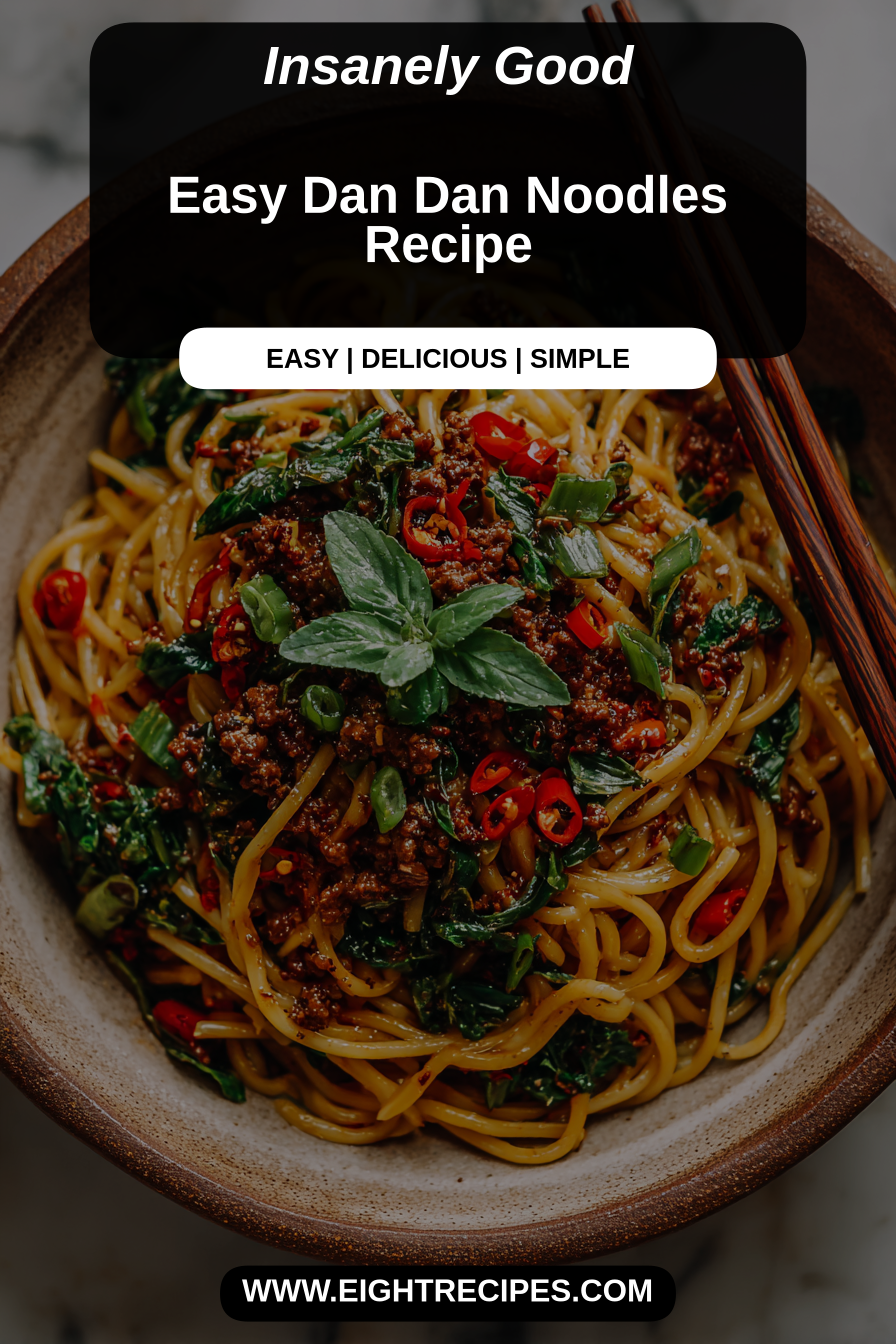
Easy Dan Dan Noodles Recipe
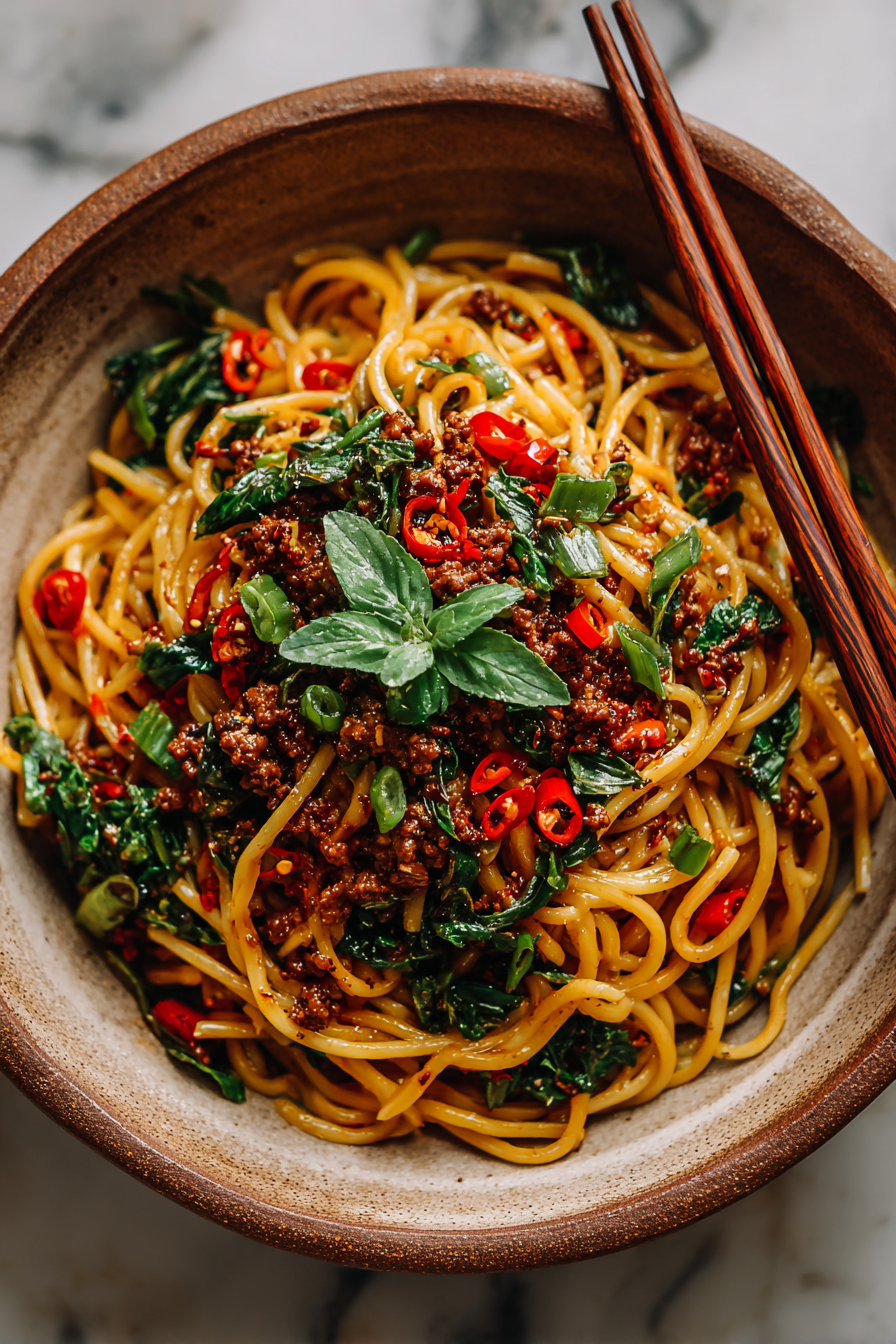
If you’ve ever dreamt of a noodle dish that’s both deeply comforting and electrifyingly flavorful, then allow me to introduce you to the magic of Dan Dan noodles. This iconic Sichuan street food might seem complex, but this easy version brings all those bold, mouth-watering flavors—spicy, savory, nutty, and a uniquely tingly sensation—right into your kitchen, perfect for a weeknight. It’s a dish that truly sings, hitting every note on your palate with incredible harmony.
My husband, bless his heart, is a creature of habit when it comes to his favorite dishes, and Dan Dan noodles shot straight to the top of his list after the very first bite. I remember the night I first made them; the aroma of toasting Sichuan peppercorns and garlic filled our home, and he came wandering into the kitchen, his eyes wide with anticipation. Now, it’s our go-to for cozy Friday nights, the perfect way to unwind after a busy week. There’s something about a big bowl of these rich, saucy noodles that just makes everything feel right in the world, a truly communal experience as we slurp them up together.
Why You’ll Love This Easy Dan Dan Noodles Recipe
You’re about to fall head over heels for this recipe, and here’s why:
1. Incredibly Flavorful: This isn’t just spicy; it’s a symphony of savory, nutty, tangy, and that signature “ma la” tingle from Sichuan peppercorns, creating an experience far beyond your average noodle dish.
2. Surprisingly Quick: Despite its complex taste, this recipe comes together faster than you might expect, making it an ideal candidate for a satisfying weeknight meal when you’re craving something special but short on time.
3. Customizable Heat: Whether you prefer a gentle warmth or a fiery kick, you have full control over the chili oil and Sichuan peppercorns, allowing you to tailor the spice level perfectly to your family’s preferences.
4. Comforting Texture: Enjoy the delightful contrast of chewy noodles, savory ground pork (or your chosen protein), a creamy, rich sauce, and the fresh crunch of scallions and optional peanuts.
5. Restaurant Quality at Home: Impress yourself and your loved ones with a dish that rivals your favorite takeout, all while knowing exactly what wholesome ingredients went into making it.
Behind the Recipe
What I’ve truly come to appreciate about making Dan Dan noodles at home is the delicate dance of balancing flavors. It’s not just about heat; it’s about the interplay of the rich tahini or peanut butter, the savory soy sauce, the zing of vinegar, and the nuanced, floral notes of freshly ground Sichuan peppercorns. One common pitfall I’ve seen, and sometimes fallen into myself, is underestimating the power of fresh aromatics—don’t skimp on the garlic and ginger! And please, please, don’t skip toasting your Sichuan peppercorns from whole before grinding them; that extra step unlocks an incredible aroma and that truly distinctive numbing sensation that defines the dish. It’s the little touches, like getting your pork beautifully browned and slightly crispy, that really elevate this from good to truly memorable.
Shopping Tips
– Protein: Pick up some good quality ground pork. It browns beautifully and holds the sauce well, but ground chicken, beef, or even finely crumbled tofu or mushrooms can be fantastic alternatives.
– Grains/Pasta: Look for fresh or dried Chinese egg noodles, ramen noodles, or even regular spaghetti. I often find the fresh varieties in the refrigerated section of Asian markets for the best texture.
– Specialty Item: Sichuan peppercorns are non-negotiable for that authentic “ma la” (numbing and spicy) sensation. Buy whole ones if you can, as they’ll be more fragrant when toasted and ground fresh.
– Fats & Oils: A good quality chili oil with plenty of sediment at the bottom is key for depth and heat. Many Asian grocery stores offer excellent options, or you can even make your own if you’re feeling adventurous.
– Legumes: You’ll need tahini (sesame paste) or smooth peanut butter for the sauce’s creamy, nutty base. Ensure it’s fresh and well-stirred, as older jars can separate.
– Fresh Herbs: Grab a bunch of scallions. They provide a vital fresh, sharp counterpoint to the rich sauce and a beautiful green garnish.
Prep Ahead Ideas
Chopping your garlic and ginger the day before can save precious minutes. Store them in small airtight containers in the fridge. You can also measure out all your sauce ingredients—soy sauce, tahini, vinegar, chili oil, sugar—into a single jar or bowl, ready to be whisked together when it’s time to cook. Toasting and grinding your Sichuan peppercorns ahead of time also makes assembly a breeze. Having these components ready to go means you can truly throw this meal together in less than 20 minutes on a busy weeknight.
Time-Saving Tricks
The biggest time-saver here is mastering your mise en place; have all your ingredients prepped and ready before you even turn on the stove. This allows you to move seamlessly from browning the pork to assembling the sauce and cooking the noodles. Speaking of noodles, boil them simultaneously while you’re cooking the pork and aromatics—just make sure your pots are sized appropriately. While it’s tempting to rush, resist the urge to under-brown your pork; a good, crispy sear on the ground meat adds incredible texture and flavor that shortcuts simply can’t replicate.
Common Mistakes
One common pitfall is under-seasoning the sauce. It’s robust, so be brave and taste as you go, adjusting salt and tang. Another mistake I’ve made is overcooking the noodles; they should be perfectly al dente, still chewy, not mushy. Also, never skip the Sichuan peppercorns; they’re essential for that unique tingly, numbing sensation that defines authentic Dan Dan noodles. I once used regular black peppercorns thinking it would be “close enough,” and while it was still tasty, it completely lacked the signature “ma la” experience. If your sauce ever seems too thick, a splash of the noodle cooking water can thin it out beautifully without sacrificing flavor.
What to Serve It With
While Dan Dan noodles are a complete meal on their own, a simple side of blanched or steamed greens like bok choy or spinach with a dash of soy sauce and sesame oil makes a lovely, refreshing contrast. A crisp cucumber salad is also a fantastic palate cleanser.
Tips & Mistakes
Storage Tips
Store in airtight containers in the fridge. It reheats beautifully, but if you sneak a bite cold straight from the container, it still works.
Variations and Substitutions
For a vegetarian version, swap the ground pork for finely crumbled firm tofu, ground mushrooms, or a plant-based ground meat alternative, ensuring it’s well-browned for texture. If you have a nut allergy, sunflower seed butter or soy nut butter can stand in for the tahini or peanut butter. Any long, thin noodle will work if you can’t find traditional Chinese egg noodles—spaghetti or linguine are surprisingly good substitutes. Feel free to play with the greens; blanched bok choy or spinach can be stirred in at the end. While it’s tempting to use pre-ground Sichuan peppercorns, grinding them fresh makes a significant difference in flavor and intensity, so stick with the whole peppercorns if possible.