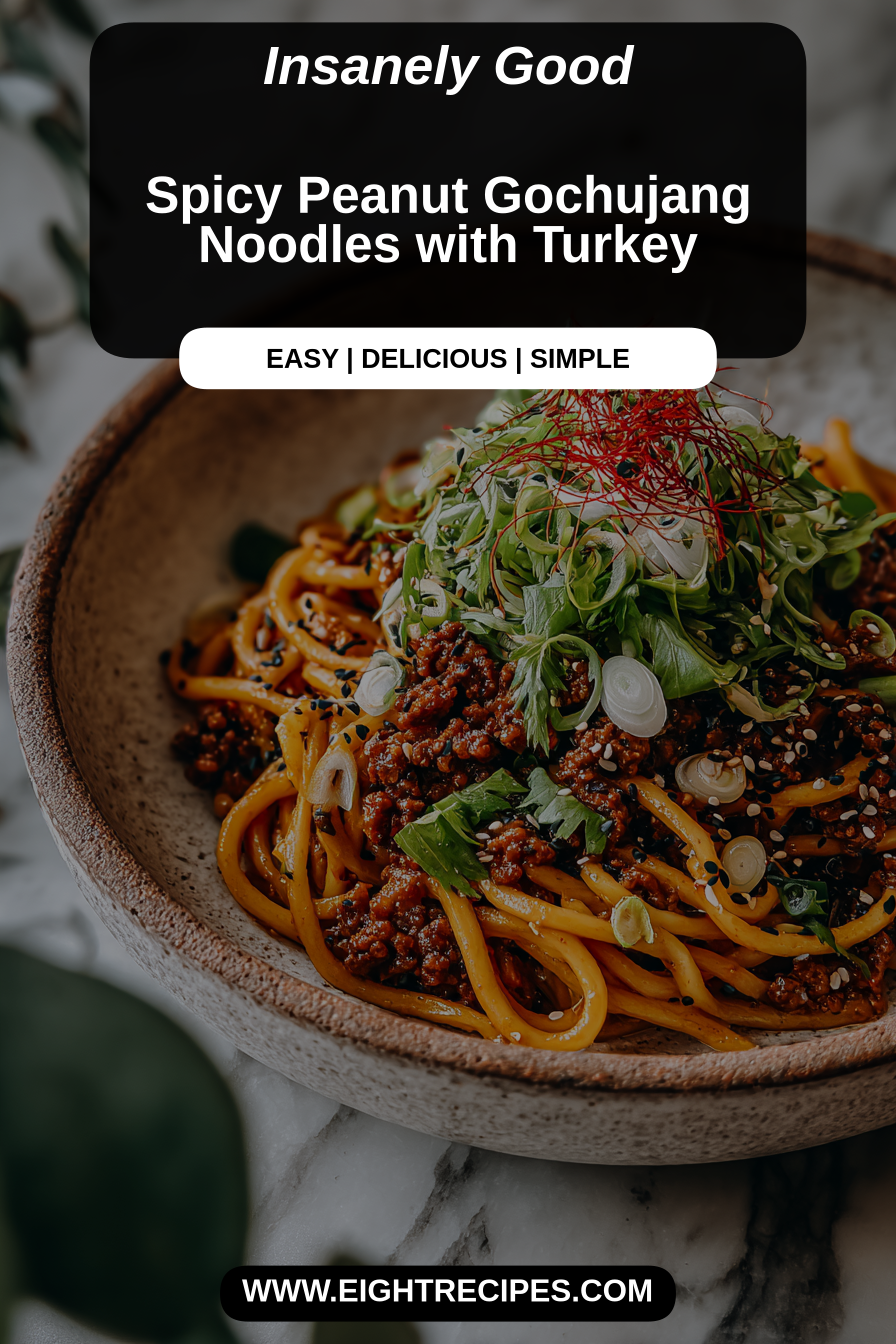
Spicy Peanut Gochujang Noodles with Turkey
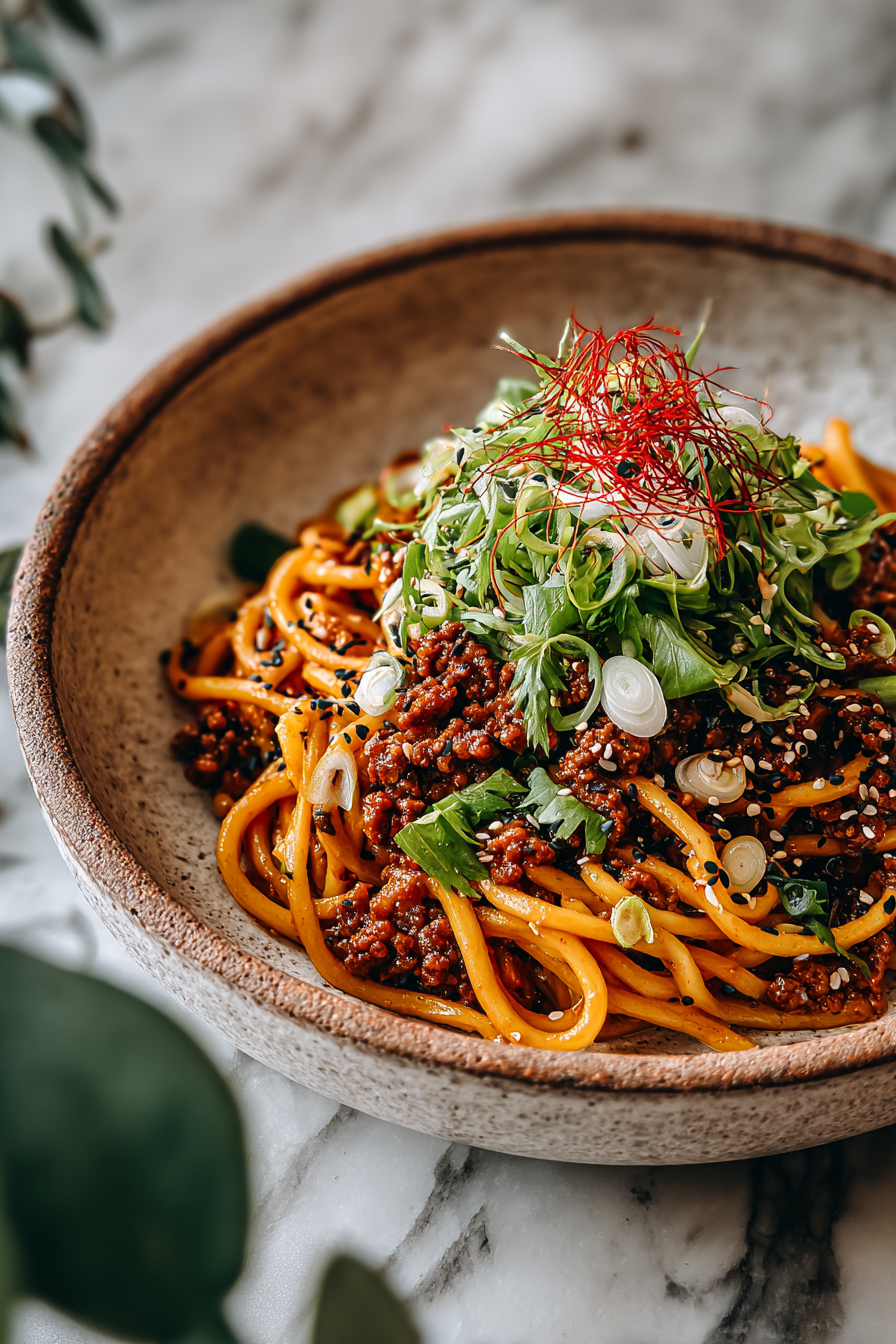
If you’re anything like me, you’re always on the hunt for a weeknight meal that’s both quick to pull together and bursting with flavor—something that truly excites the taste buds and makes dinner feel like an event, even on a Tuesday. Well, this Spicy Peanut Gochujang Noodles with Turkey recipe is exactly that. It’s a vibrant, savory, and wonderfully spicy dish that brings together the rich creaminess of peanut butter with the fermented kick of gochujang, all tossed with tender noodles and perfectly seasoned ground turkey. It’s an adventure in a bowl, balancing heat, sweetness, and umami in a way that’s utterly irresistible and surprisingly simple to achieve at home.
This dish has quickly become a family favorite, especially for my husband, Mark. He’s usually pretty good at giving diplomatic feedback, but the first time I made these noodles, he was practically inhaling them. I remember him coming home from a particularly long day, and the kitchen was filled with the intoxicating aroma of garlic, ginger, and that distinctive gochujang warmth. He took one bite, and his eyes lit up. He immediately declared, “This is it. This is the one.” Now, if I ask what he’s craving for dinner, more often than not, it’s a variation of “those spicy peanut noodles.” It’s become our go-to for when we need something comforting yet exhilarating, a guaranteed mood-lifter after a busy week. Sometimes we’ll even make a double batch just to ensure there are leftovers for lunch—a rare occurrence in our house!
Why You’ll Love This Spicy Peanut Gochujang Noodles with Turkey
* It’s a fantastic flavor explosion, hitting all the right notes with its blend of spicy gochujang, creamy peanut butter, and savory turkey. It’s truly addictive.
* This recipe is a weeknight warrior, coming together in about 30 minutes, making it perfect for busy evenings without sacrificing on taste or satisfaction.
* It’s incredibly versatile. While ground turkey is fantastic here, you can easily swap in chicken, pork, or even a plant-based protein for a vegetarian version.
* It’s a wonderfully comforting bowl of noodles that feels both exotic and familiar, ideal for shaking up your usual dinner routine while still feeling like a warm hug.
Behind the Recipe
When I first started playing with gochujang, I was a little intimidated, but it quickly became one of my favorite pantry staples. The key to making this sauce shine is really to let those aromatics—garlic and ginger—do their work. Don’t rush sautéing them; a minute or two over medium heat truly builds a foundational layer of flavor that carries through the entire dish. One thing I’ve learned is that the thickness of your peanut butter can really impact the sauce consistency. If your peanut butter is very thick, you might need an extra splash of water or broth to achieve that perfect glossy coating on your noodles. I also find that adding a touch of brown sugar balances the gochujang’s heat and fermentation beautifully. People often get tripped up by the gochujang itself—it’s a potent paste, so start with the suggested amount and taste before adding more spice. A little goes a long way, and you can always amp it up with a few extra red pepper flakes if you’re a true heat seeker. The final flourish of fresh scallions and cilantro really brightens everything up, don’t skip them!
Shopping Tips
– Protein: Look for lean ground turkey for a healthier, quicker-cooking option. Ground chicken or even ground pork can be excellent substitutes if turkey isn’t your preference.
– Grains/Pasta: Any sturdy noodle works well here—think ramen noodles (without the seasoning packets), lo mein, linguine, or even spaghetti. I tend to reach for fresh ramen noodles if I can find them for that perfect chew.
– Specialty Item: Gochujang, the star of the show, is a Korean fermented chili paste. You’ll find it in most Asian markets or well-stocked grocery stores. A good quality gochujang makes all the difference!
– Nuts & Seeds: Choose a creamy, unsweetened peanut butter for the best control over the sauce’s sweetness and texture. Roasted sesame seeds are a simple but essential garnish for added crunch and flavor.
– Fats & Oils: Toasted sesame oil is non-negotiable for that authentic, nutty aroma. Make sure it’s “toasted” for the deepest flavor, and use it as a finishing oil rather than for high-heat cooking.
– Vegetables: Fresh ginger and garlic are crucial for the aromatic base. For quick prep, you can sometimes find pre-minced versions, but fresh always offers a more vibrant flavor.
Prep Ahead Ideas
– You can whisk together all the sauce ingredients (gochujang, peanut butter, soy sauce, rice vinegar, brown sugar, sesame oil, water) a day or two in advance. Store it in an airtight container in the fridge. Just give it a good whisk again before using.
– Mince your garlic and grate your ginger ahead of time and keep them in separate small containers in the fridge. This makes the sautéing step lightning fast.
– Chop your scallions and cilantro and store them in a damp paper towel in a sealed bag in the fridge. They’ll be ready to go for garnish, smoothing out your busy weeknight routine considerably.
Time-Saving Tricks
– Using pre-minced garlic and ginger can shave off valuable minutes, though the flavor isn’t quite as vibrant as fresh. It’s a perfectly acceptable shortcut for a truly hectic night.
– Get your water boiling for the noodles *before* you start cooking the turkey and aromatics. This way, everything can cook simultaneously, and you won’t have to wait around.
– Mise en place is your best friend here. Have all your ingredients measured and ready before you start cooking. This dish comes together quickly, so you don’t want to be scrambling for the soy sauce while your garlic is burning.
– Don’t overcook your noodles! Cook them just until al dente, as they will continue to absorb sauce and soften slightly. Stopping them at the right point ensures a perfect texture.
Common Mistakes
– A common pitfall is overcooking the ground turkey, which can make it dry and crumbly. Cook it just until no pink remains, then remove it from the pan before building the sauce.
– Not tasting and adjusting the sauce before adding the noodles. The balance of sweet, spicy, savory, and tangy is critical. Always taste and add more gochujang for heat, sugar for sweetness, or soy sauce for saltiness as needed.
– Over-reducing the sauce can lead to a sticky, overly thick consistency. If your sauce gets too thick, a splash of noodle cooking water or broth will help loosen it up to perfectly coat the noodles.
– Skipping the fresh garnishes like scallions and cilantro. They’re not just for looks; they add a crucial fresh counterpoint to the rich, savory noodles, preventing the dish from feeling too heavy.
What to Serve It With
This dish is quite substantial on its own, but it pairs wonderfully with something fresh and crisp to cut through the richness. A simple side salad with a light vinaigrette, some steamed or stir-fried broccolini, or even quick-pickled cucumbers would be excellent choices. If you’re looking for extra protein or vegetables, a side of crispy pan-fried tofu or some sautéed bok choy would also be delicious.
Tips & Mistakes
Storage Tips
Store in airtight containers in the fridge. It reheats beautifully, but if you sneak a bite cold straight from the container, it still works.
Variations and Substitutions
The beauty of this recipe lies in its adaptability. If ground turkey isn’t your thing, ground chicken or even thinly sliced pork loin or beef sirloin would be fantastic. For a vegetarian spin, swap the turkey for crumbled extra-firm tofu or your favorite plant-based ground meat alternative. If you have a peanut allergy, almond butter or sunbutter can be used, though the flavor profile will shift slightly. Tamari works perfectly in place of soy sauce for a gluten-free option. For those who prefer less heat, start with half the gochujang and red pepper flakes, then gradually add more to taste. Conversely, if you love a fiery kick, don’t hesitate to increase the gochujang or add a drizzle of chili oil at the end. While the classic ingredients truly make this dish sing, it’s forgiving enough for you to play around with what you have on hand.