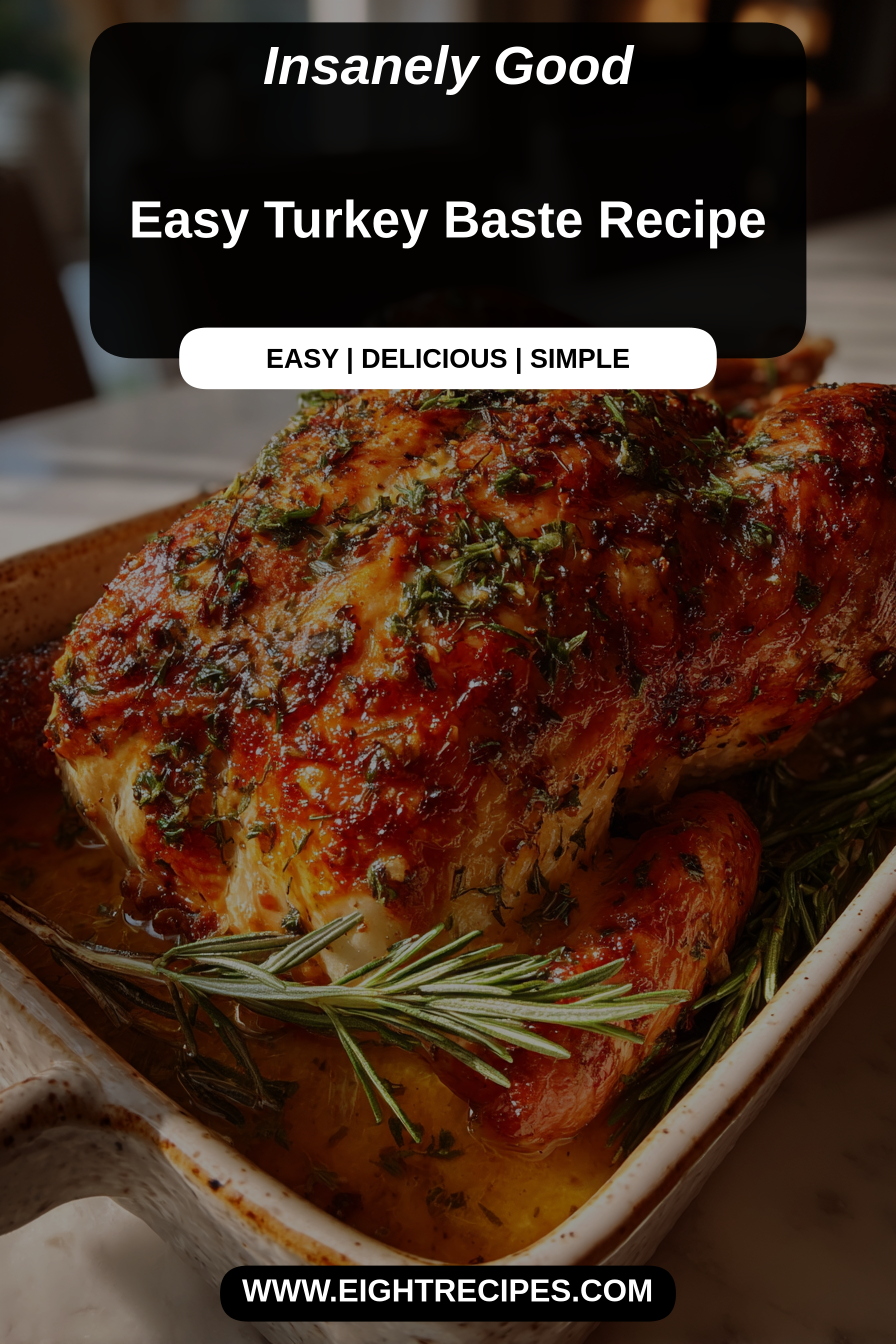
Easy Turkey Baste Recipe
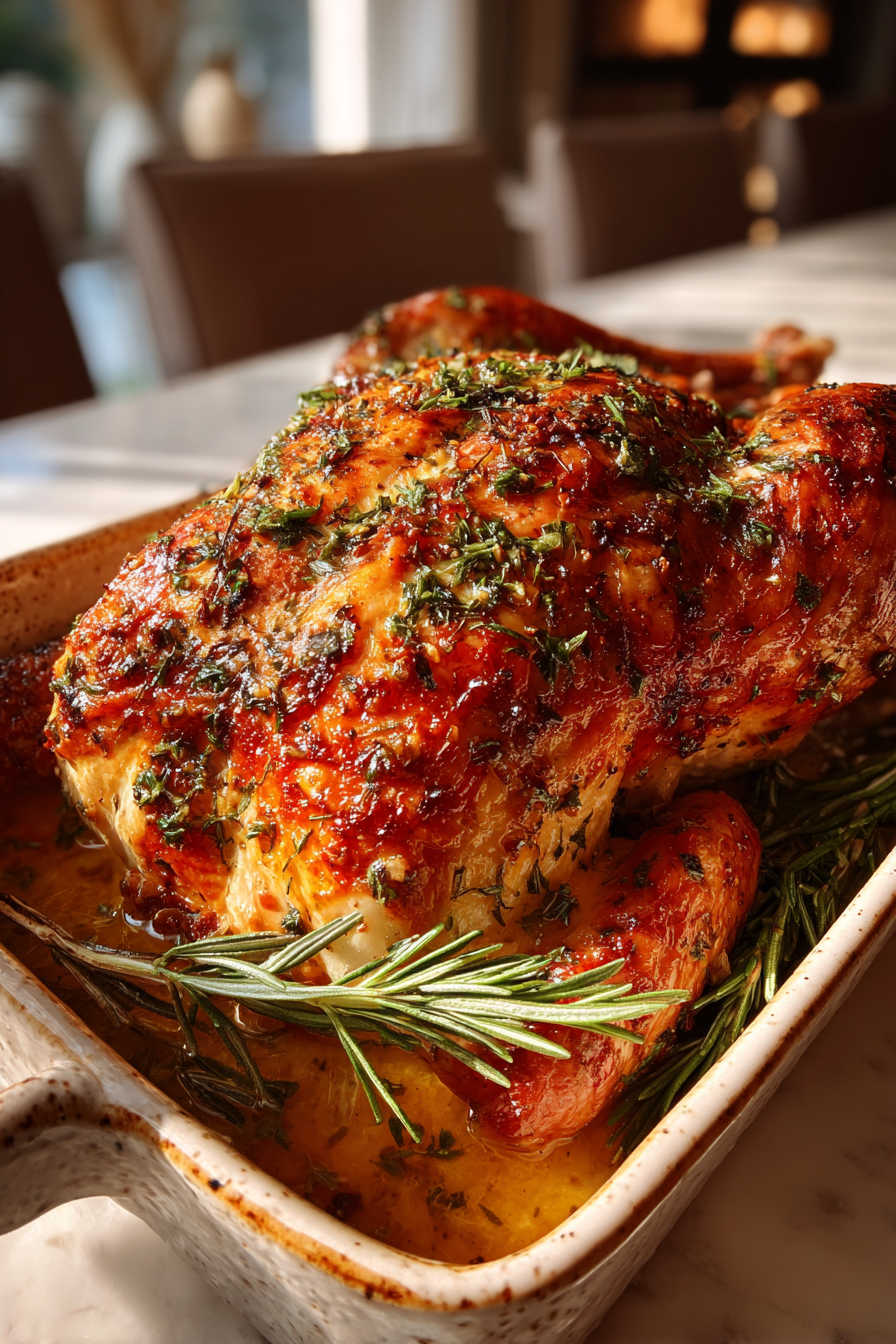
There’s something truly magical about the aroma of a roasting turkey filling the kitchen, especially during the holidays. And at the heart of that magic, for me, is a really good baste. This isn’t just about keeping the bird moist; it’s about infusing every ounce of that golden skin and tender meat with layers of herbaceous, savory flavor that makes everyone reach for a second slice.
My husband, Mark, absolutely adores a perfectly roasted turkey, and honestly, this baste has become the secret weapon in our household. One year, I tried to shortcut the basting process, thinking a plain broth would suffice. The turkey was fine, but it lacked that rich, golden hue and profound depth of flavor he always raves about. He very politely said, “It’s good, honey, but it’s missing that *oomph*.” I knew exactly what he meant. Since then, this particular blend has been a non-negotiable part of our Thanksgiving tradition. The kids even love helping to whisk it together, calling it “the turkey’s special sauce.” It’s truly become a staple, not just for the flavor it imparts, but for the comforting ritual it represents in our family kitchen.
Why You’ll Love This Easy Turkey Baste Recipe
You’ll fall in love with this Easy Turkey Baste Recipe because it takes the guesswork out of achieving a gloriously golden, incredibly flavorful turkey. It’s designed to add moisture and a beautiful crust, transforming a simple roast into a showstopper. Plus, it’s remarkably simple to whisk together, relying on fresh, aromatic ingredients that truly sing. It’s the kind of recipe that makes you feel like a seasoned chef, even if it’s your first time roasting a turkey, ensuring every bite is succulent and memorable.
Behind the Recipe
Creating the perfect baste is less about a rigid formula and more about understanding how flavors work together to enhance your turkey. Over the years, I’ve learned that quality ingredients really do make a difference here—fresh herbs, a good butter, and a bright citrus note are non-negotiable. What tends to trip people up is overthinking it or not basting consistently enough. The goal isn’t to drench the turkey, but to brush it evenly, allowing the flavors to build and the skin to crisp. A little touch that makes it shine is allowing the butter and herbs to gently simmer for a few minutes before basting; this infuses the butter with even more aromatic goodness. And remember, don’t forget the pan drippings—they become part of the baste as you go, adding incredible richness.
Shopping Tips
– Fats & Oils: Opt for unsalted butter so you can control the seasoning. A good quality butter makes a noticeable difference in the richness of your baste.
– Fresh Herbs: Look for vibrant, green sprigs of rosemary, thyme, and sage. Avoid any with brown or wilting leaves, as their flavor will be diminished.
– Produce: Choose a firm, bright yellow lemon and plump, unblemished garlic cloves. These will provide the freshest, most potent aromatics.
– Spices: Ensure your black peppercorns are freshly ground for the best flavor; pre-ground can lose its punch quickly.
– Canned Goods: If adding broth, choose a low-sodium chicken or vegetable broth so you can adjust the salt level precisely.
Prep Ahead Ideas
You can easily prep the aromatic components of this baste the day before. Mince your garlic, chop your fresh herbs, and zest your lemon ahead of time. Keep the minced garlic and herbs in separate small airtight containers in the fridge, and the lemon zest in another. When you’re ready to make the baste, all you’ll need to do is melt the butter and combine everything, making the actual turkey day much smoother.
Time-Saving Tricks
To save time, don’t shy away from pre-minced garlic found in jars, though fresh is always my preference for flavor. You can also quickly melt the butter in a microwave-safe bowl, then add your other ingredients. However, remember that sometimes slowing down actually improves the result. Gently infusing the melted butter with the herbs on the stovetop for a few minutes before basting allows the flavors to truly meld, which is a small step that pays off big in taste.
Common Mistakes
A frequent pitfall is not basting often enough, which can lead to a drier turkey. Conversely, over-basting, especially late in the roasting process, can prevent the skin from crisping up. Another common mistake is letting the baste burn in the pan; if your oven is too hot or you’re not rotating the turkey, the baste can get too dark. To fix this, if your baste starts to burn, remove the turkey for a moment, carefully scrape out any burnt bits, and replenish with fresh baste or just clear broth. And always remember to season your baste appropriately; bland baste means a bland turkey.
What to Serve It With
This turkey baste, when applied to a beautiful roasted turkey, pairs perfectly with all the classic holiday fixings. Think creamy mashed potatoes, savory herb stuffing, sweet potato casserole, tart cranberry sauce, and crisp green bean almondine. Don’t forget a rich gravy made from those pan drippings!
Tips & Mistakes
When roasting your turkey, try to resist the urge to open the oven door too frequently, as this drops the internal temperature and prolongs cooking. Instead, use your oven light and timer as much as possible. A mistake many make is not using a reliable meat thermometer; it’s the only way to ensure your turkey is perfectly cooked without over or under-doing it. Remember, the turkey’s internal temperature will rise a few degrees after it’s removed from the oven, so pull it out just before it reaches the target temperature.
Storage Tips
Store in airtight containers in the fridge. It reheats beautifully, but if you sneak a bite cold straight from the container, it still works.
Variations and Substitutions
While the classic butter, herb, and citrus combination is undeniably wonderful, there’s room to play. If you need a dairy-free option, plant-based butter alternatives work quite well and still provide that crucial fat content. For different flavor profiles, consider adding a splash of dry white wine or apple cider to your baste for an extra layer of complexity. You could also experiment with different herbs—a touch of fresh marjoram or thyme can be lovely. However, I’ve found that sticking to the fresh herbs, rather than dried, delivers the most vibrant and aromatic results, so that’s a substitution I’d generally recommend avoiding if possible.