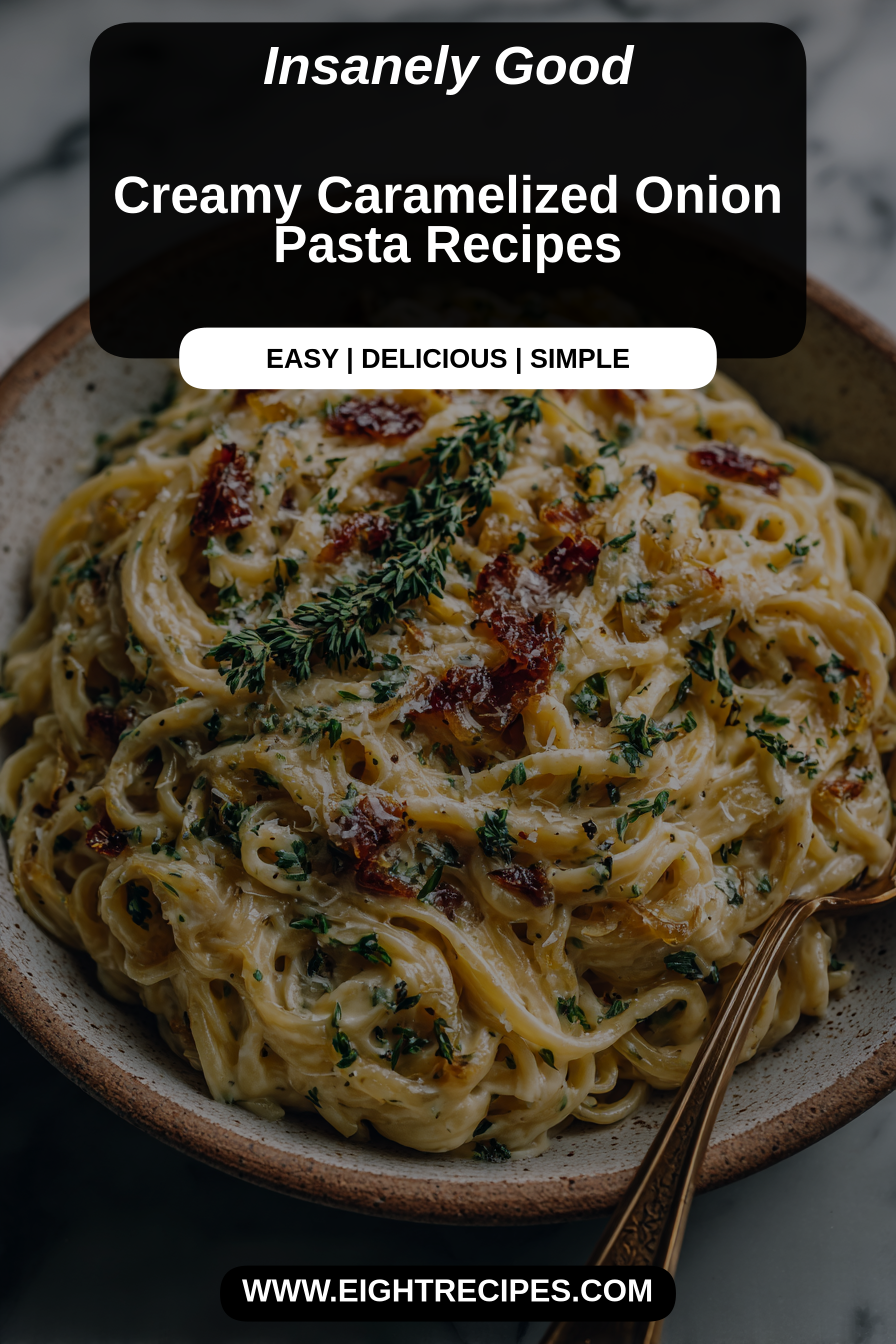
Creamy Caramelized Onion Pasta Recipes
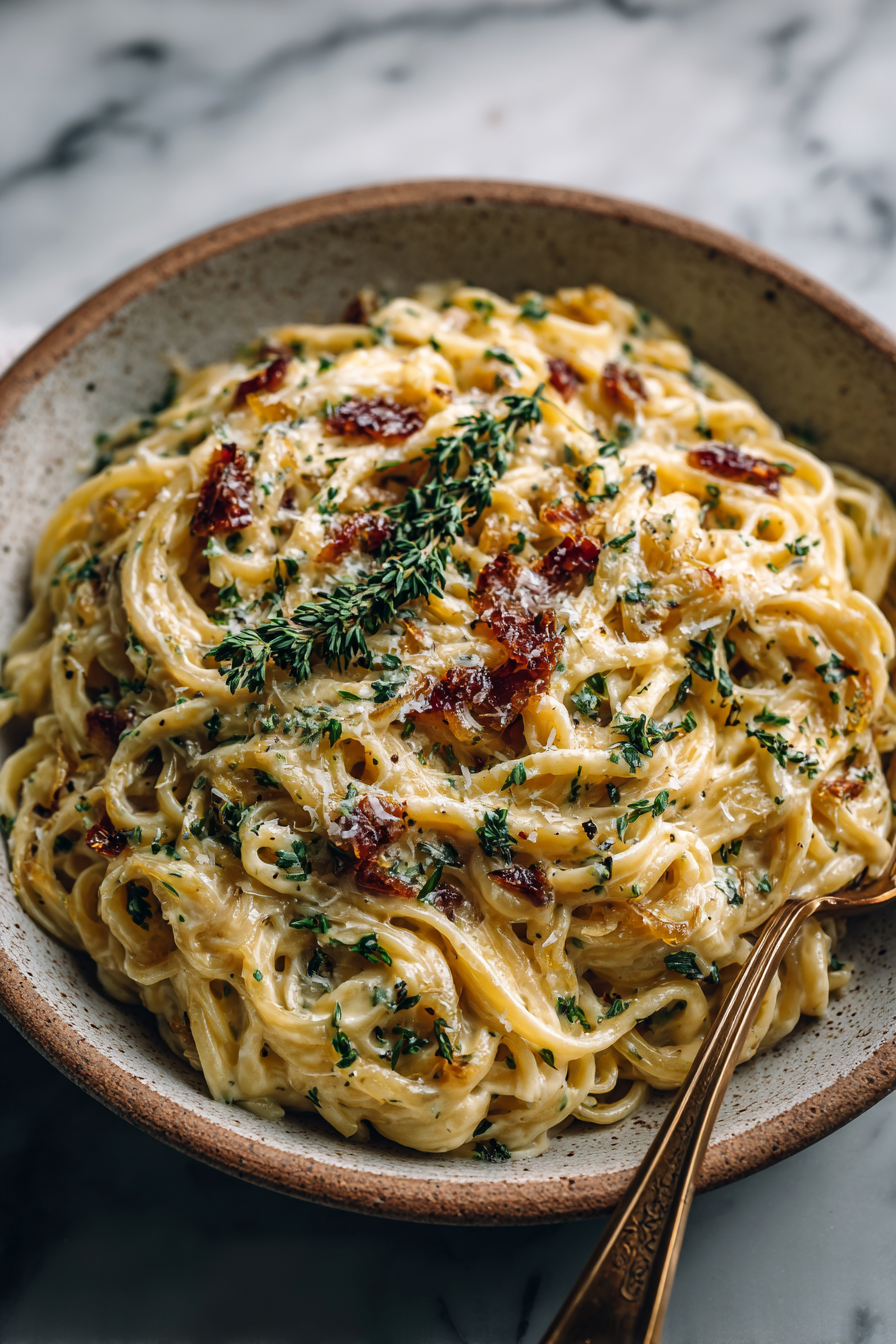
There’s something truly magical about taking humble ingredients and transforming them into a dish that feels both incredibly comforting and effortlessly elegant. This Creamy Caramelized Onion Pasta is exactly that kind of recipe. It’s a testament to the power of slow cooking, where sweet, deeply caramelized onions melt into a luscious, savory cream sauce, perfectly coating every strand of pasta. It’s a meal that whispers warmth and sophistication, yet it comes together with surprising ease, promising a deeply satisfying experience that’s perfect for any night of the week.
My husband, Mike, is a man of simple pleasures, but he appreciates good food more than anyone I know. I still remember the first time I made this dish for him. It was a particularly hectic Tuesday, and I wanted something comforting that didn’t require too much fuss once I got home. As the onions slowly softened and turned golden in the pan, filling the kitchen with their sweet, earthy aroma, he kept peeking in, asking, “What smells so good?” When it finally came together, tossed with perfectly al dente pasta and a shower of Parmesan, his eyes lit up. He took one bite and simply declared, “This is it. This is a keeper.” Since then, Creamy Caramelized Onion Pasta has become our go-to for chilly evenings, quiet date nights in, and anytime we need a meal that feels like a warm hug. It’s proof that sometimes, the simplest things, given time and care, yield the most extraordinary results.
Why You’ll Love This Creamy Caramelized Onion Pasta Recipes
This pasta dish is more than just a meal; it’s an experience. You’ll adore it because:
* The deep, complex flavor from patiently caramelized onions creates a natural sweetness and savory richness that’s truly addictive. It’s a flavor profile you won’t get from rushing the process.
* It’s the ultimate comfort food, wrapping you in a warm, creamy embrace. The sauce is velvety smooth and clings beautifully to the pasta, making every mouthful a delight.
* Despite its gourmet taste, the ingredient list is surprisingly simple and affordable. You’re likely to have many of the components already in your pantry.
* It’s a wonderfully versatile dish that can be served as a standalone vegetarian meal or easily dressed up with added protein or a side salad.
Behind the Recipe
The heart of this recipe, without a doubt, lies in the caramelized onions. This isn’t a step to rush; it’s a meditation. What I’ve learned from making this countless times at home is that patience is truly your best friend here. Don’t crank up the heat to speed things along – you’ll end up with burnt, bitter onions instead of the sweet, jammy goodness we’re after. Keep the heat low to medium-low, stir frequently, and let them take their sweet time. This slow transformation is where all that incredible depth of flavor develops. One thing that tends to trip people up is making sure the sauce is just the right consistency. Adding a little pasta water is key to emulsifying the sauce and helping it cling perfectly to the pasta, ensuring it’s never too thick or too thin. A little sprinkle of fresh thyme or a grating of nutmeg at the end are those thoughtful little touches that truly make this dish shine, elevating it from good to extraordinary.
Shopping Tips
– Vegetables: Reach for large yellow or sweet onions. You’ll need quite a few, as they cook down significantly. Look for firm onions with dry, papery skins.
– Dairy: Opt for full-fat heavy cream for the richest, most luxurious sauce. For the butter, unsalted is generally preferred so you can control the seasoning.
– Grains/Pasta: Any medium-short pasta shape with nooks and crannies to hold the sauce works wonderfully, like campanelle, fusilli, penne, or cavatappi. Choose a good quality brand that holds its shape well.
– Cheese: Freshly grated Parmesan or Pecorino Romano will make a huge difference in the final flavor. Pre-grated cheeses often contain anti-caking agents that can affect the sauce’s texture.
– Fresh Herbs: Fresh thyme or sage are my top picks for complementing the savory sweetness of the onions. A small bunch is all you’ll need to add a fragrant finish.
Prep Ahead Ideas
Chopping all those onions is arguably the most time-consuming part of this dish, so it’s an excellent candidate for prepping ahead. You can slice all the onions the day before and store them in an airtight container in the fridge. This way, when you’re ready to cook, you can jump straight into the caramelizing process, smoothing out your busy weeknight considerably. You can also grate your Parmesan cheese ahead of time and keep it in a sealed container.
Time-Saving Tricks
While patience is crucial for caramelizing the onions, you can multitask by starting your pasta water to boil and cooking the pasta concurrently once the onions are well on their way. Another helpful tip is to use a mandoline to slice your onions if you have one; it ensures consistent thickness, which helps them cook evenly. Resist the urge to add too much liquid too quickly to the onions; let them release their natural sugars and brown. However, don’t rush the caramelization process itself—that’s where the magic happens, and slowing down here actually improves the final result immeasurably.
Common Mistakes
The most frequent pitfall with this recipe is rushing the onion caramelization. If you cook them over too high heat, they’ll burn before they sweeten and soften, leading to a bitter flavor. I once tried to speed it up and ended up with crunchy, charred bits rather than jammy sweetness – a lesson learned! The fix is simple: keep the heat low and stir often. Another mistake is not reserving enough pasta water; it’s essential for creating a smooth, emulsified sauce that clings to the pasta, so always save at least a cup before draining. If your sauce ends up too thin, you can simmer it gently to reduce, and if it’s too thick, a splash more reserved pasta water will bring it back to life.
What to Serve It With
This creamy pasta is quite rich on its own, so it pairs beautifully with something fresh and bright. A simple green salad dressed with a light vinaigrette is perfect for cutting through the richness. Crusty bread, like a baguette or sourdough, is also wonderful for soaking up every last bit of that delicious sauce. For a heartier meal, consider roasted asparagus or broccoli on the side.
Tips & Mistakes
Storage Tips
Store in airtight containers in the fridge. It reheats beautifully, but if you sneak a bite cold straight from the container, it still works.
Variations and Substitutions
This dish is fantastic as is, but it’s also quite adaptable. For a richer, meatier flavor, you could sauté some pancetta or bacon until crispy, then remove it and use a bit of the rendered fat to start your onions. Stir the cooked pancetta back in at the end. For a plant-based option, swap the butter for olive oil or a dairy-free butter alternative, and use a cashew cream or a rich vegetable broth reduction in place of the heavy cream. Nutritional yeast can add a cheesy flavor for dairy-free diets. You can also experiment with different cheeses; a bit of gruyère or fontina would melt beautifully into the sauce. While I love the classic, feel free to switch up the herbs – fresh sage or even a touch of rosemary can be lovely.