
Cheesy Onion Soft Breakfast & Brunch Recipe
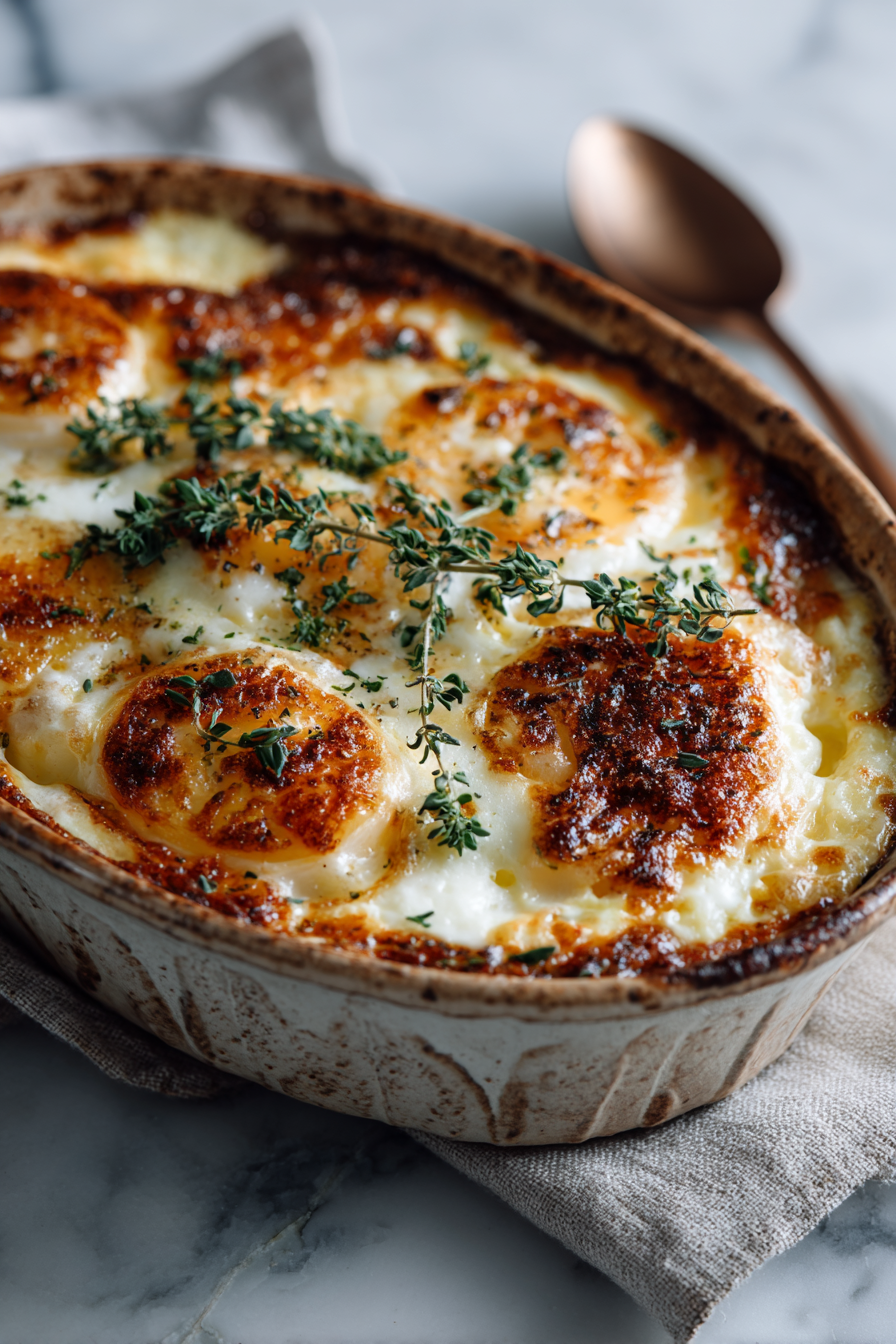
Warm, melty, and oddly comforting, this Cheesy Onion Soft Breakfast & Brunch Recipe is the kind of dish that makes mornings feel a little more deliberate and a lot more delicious. It’s a soft, savory bake (or skillet finish — adaptable to your kitchen) where sweet caramelized onions meet gooey cheese and tender base—perfect for lazy weekends, casual brunches, or a filling weekday pick-me-up.
My husband is the unofficial taste-tester and serial second-plate thief in our house, and this recipe has become his go-to on slow Saturdays. The first time I made it, he announced it was “officially a thing” before he’d even finished a full forkful; now he asks for it by nickname and brings friends over just so he can show off how easily I managed to make something that tastes restaurant-worthy. It’s one of those recipes that quietly became a family staple — easy enough for mornings, impressive enough for guests, and forgiving when life happens (burnt toast, spilled coffee, you name it).
Why You’ll Love This Cheesy Onion Soft Breakfast & Brunch Recipe
– Deep, savory flavor from slowly caramelized onions that pair perfectly with rich, melting cheese.
– Soft, pillowy texture—think cozy but not dense—so it’s satisfying without feeling heavy.
– Versatile: serve as a centerpiece for brunch, a hearty breakfast, or a simple weeknight dinner with a salad on the side.
– Kid- and crowd-friendly: mild but layered flavors that everyone seems to agree on.
– Make-ahead friendly: components can be prepped in advance to shorten morning assembly.
Behind the Recipe
This started as a riff on a cheesy onion dip I loved, translated into something more substantial for breakfast. Over time I learned that low-and-slow is the trick for the onions—aim for deep color without burning, and you’ll get sweetness without cloying sugar. Another lesson: the choice of cheese changes the whole mood—sharp gives contrast, mild keeps it creamy and gentle. Finally, texture matters: slightly underbaking yields a softer center that holds up when reheated, while a fully set finish lends a firmer slice. People often rush the onion step or pile too much liquid into the mix; both can dilute the flavor and texture, so patience pays off.
Shopping Tips
– Cheese: Choose a melty, flavorful cheese—sharp cheddar for bite or a young gruyère for nuttiness; buy blocks and grate yourself for the best melt and texture.
– Eggs: Fresh, medium-to-large eggs give better structure and flavor—look for a recent sell-by date and golden yolks when possible.
– Vegetables: Use sweet yellow or Vidalia onions for caramelization; avoid very pungent varieties that can dominate the dish.
– Fresh Herbs: Parsley or chives brighten the finished dish—pick firm, vividly green bunches and add at the end for freshness.
– Fats & Oils: Use a neutral oil or a mix of butter and oil for sautéing onions; butter adds flavor but burns quicker, so balance it with oil.
Prep Ahead Ideas
– Caramelize the onions a day ahead and store them in an airtight container in the fridge; they’ll be even more flavorful the next day.
– Grate the cheese and whisk any eggs or custard base together the night before to speed assembly in the morning.
– Keep prepped components (onions, cheese, egg mix) in separate containers so you can assemble quickly without soggy overlap.
Time-Saving Tricks
– Use a wide skillet to caramelize onions faster and more evenly—more surface area means fewer batches.
– Pre-shredded cheese saves time, but grate from a block if you want the best melt and texture; a food processor does this in seconds.
– Mise en place: measure and line up your ingredients first—when the onions hit the pan you’ll appreciate the smooth rhythm.
Common Mistakes
– Overcrowding the pan for onions: I did this once and ended up steaming instead of caramelizing—work in batches for color.
– Adding too much liquid: it can make the center weep; if it seems wet, give it a gentle extra bake rather than more liquid.
– Overbaking: the cheese and custard continue to set after the oven—pull it when it’s slightly jiggly for a soft, perfect texture.
What to Serve It With
A crisp green salad with lemon vinaigrette or a bowl of roasted cherry tomatoes balances the richness beautifully. For heartier brunch spreads, add crusty bread, pickled veggies, or simple sausages to round things out.
Tips & Mistakes
For best results, don’t rush the onion caramelization—low and steady heat transforms them into the sweet backbone of this dish. If you notice excess liquid after baking, let it rest for 10–15 minutes; carryover cooking firms it up and concentrates the flavor.
Storage Tips
Store in airtight containers in the fridge. It reheats beautifully, but if you sneak a bite cold straight from the container, it still works.
Variations and Substitutions
Swap cheeses freely—fontina or Monterey jack for milder melts, or add a handful of parmesan for savory depth. For a vegetarian protein boost, stir in cooked white beans or top with quick-sautéed mushrooms. If you need dairy-free, try a firm tofu base with nutritional yeast and dairy-free cheese, but be aware the texture and flavor will shift.