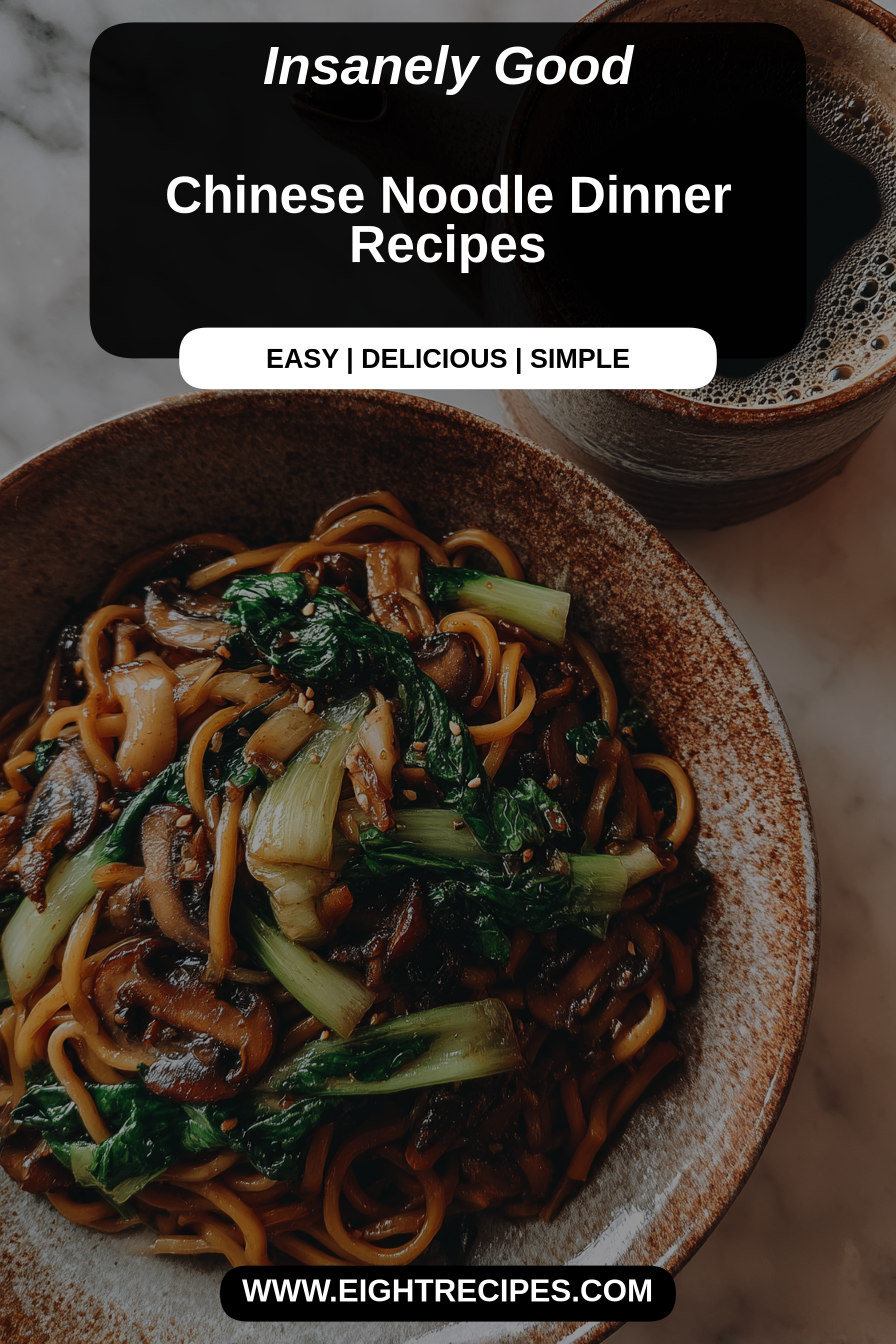
Chinese Noodle Dinner Recipes
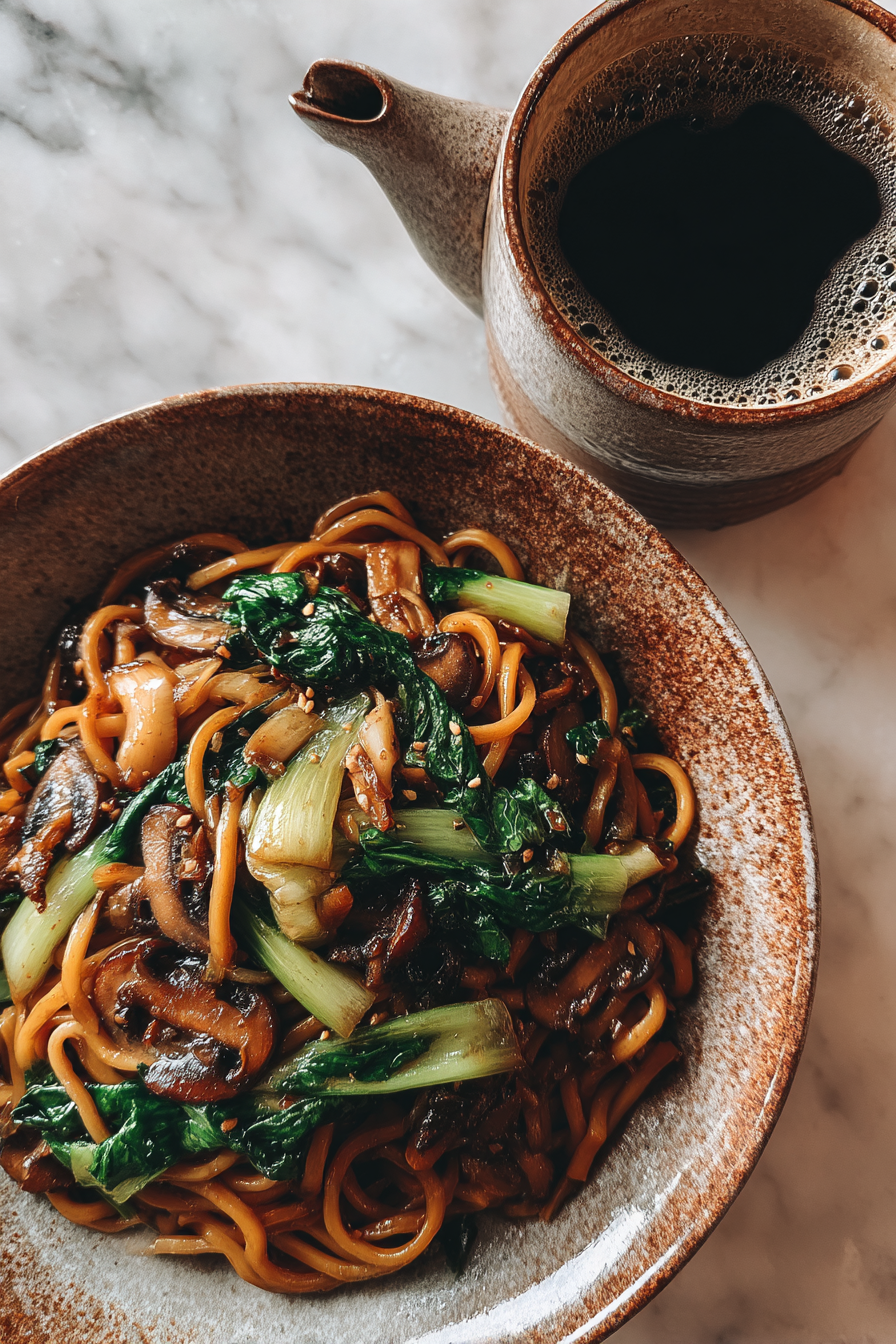
This Chinese noodle dinner is a weeknight lifesaver that manages to feel incredibly special every time it hits the table. It’s a vibrant, savory, and wonderfully textural dish, brimming with tender chicken, crisp-tender vegetables, and slippery noodles, all coated in a rich, umami-packed sauce. What makes it truly stand out is its perfect balance of fresh ingredients and deep, comforting flavors, making it far superior to any takeout and surprisingly simple to whip up at home. If you’re looking for a meal that satisfies every craving – savory, slightly sweet, and endlessly slurpable – this is the one you need to add to your repertoire.
There’s a funny thing that happens in our house when I announce it’s “noodle night.” My husband, usually pretty laid-back about dinner, practically does a little happy dance. Our two kids, who can be notoriously picky, always clean their plates without a single complaint. It started a few years ago when I was trying to recreate a dish we loved from our favorite local Chinese restaurant. After a few tries, tweaking the sauce here and adjusting the veggies there, I landed on this recipe. I remember the first time I made it “perfectly”—the aromas filling the kitchen, the steam rising as I plated it, and the absolute silence at the dinner table, broken only by enthusiastic slurps. Now, it’s not just a meal; it’s a family event. It’s the dish we reach for when we need something comforting after a long week, or when we have friends over and want to impress without stress. It’s become our delicious, flavorful anchor.
Why You’ll Love This Chinese Noodle Dinner Recipes
* It’s incredibly versatile, allowing you to swap proteins and vegetables based on what you have on hand or what’s in season, making it a different dish every time you make it.
* The sauce is a revelation—deeply savory, with just the right touch of sweetness and a hint of ginger and garlic, ensuring every bite is bursting with flavor that rivals your favorite takeout.
* It comes together astonishingly fast, making it the perfect solution for busy weeknights when you want a homemade meal but are short on time.
* The combination of tender noodles, crisp-tender vegetables, and perfectly cooked chicken creates a delightful textural symphony that keeps every forkful interesting.
* It’s a fantastic way to introduce a variety of vegetables into your diet in a way that feels indulgent and satisfying, even for the pickiest eaters.
* Leftovers are absolutely divine, often tasting even better the next day as the flavors meld and deepen, making it excellent for meal prep.
Behind the Recipe
Over the years of making this dish, I’ve learned that its success lies in two key areas: proper prep and not overcrowding your pan. When I first started, I was so eager to get everything cooking that I’d throw it all in at once, and instead of stir-frying, I ended up steaming my ingredients. The trick is to cook in batches, especially your protein and then your vegetables, giving them space to brown and develop those lovely charred edges. Another little touch that makes all the difference is adding a small amount of toasted sesame oil right at the very end, just before serving. It’s a subtle aromatic pop that truly brightens the whole dish without overwhelming it. And don’t shy away from fresh ginger and garlic—they are the soul of the sauce, and their pungency mellows beautifully with the other ingredients.
Shopping Tips
– Protein: I usually opt for boneless, skinless chicken thighs for their flavor and tenderness, but chicken breast works wonderfully too. Look for good quality, preferably air-chilled chicken.
– Vegetables: Aim for a colorful mix! Bell peppers (red, yellow, orange), snap peas, shredded carrots, broccoli florets, and bok choy are excellent choices. Freshness here makes a big difference in texture.
– Grains/Pasta: Any stir-fry friendly noodle will do—lo mein, chow mein, or even ramen noodles (without the seasoning packet). Check for fresh or dried varieties in the international aisle; a good quality noodle holds up well.
– Fats & Oils: You’ll need a neutral oil with a high smoke point like canola, grapeseed, or vegetable oil for stir-frying, and a bottle of toasted sesame oil for that signature finish.
– Specialty Item: Hoisin sauce and a good quality soy sauce (or tamari for gluten-free) are non-negotiables. Sometimes I’ll grab a bottle of rice vinegar too.
– Fresh Herbs: Don’t skip the fresh ginger and garlic! These aromatics provide the backbone of the flavor. I always look for firm, unblemished ginger root and plump garlic cloves.
Prep Ahead Ideas
– The day before, you can chop all your vegetables and store them in separate airtight containers in the fridge. This makes the cooking process incredibly fast.
– Cut your chicken into bite-sized pieces and, if you like, marinate it in a tablespoon of soy sauce and a teaspoon of cornstarch. This tenderizes the chicken and helps it brown beautifully. Store covered in the fridge.
– Whisk together your entire sauce mixture in a jar or small bowl and keep it in the fridge. Give it a good shake or stir before adding to the wok.
– Having all these components ready means you can walk into the kitchen after a busy day and have dinner on the table in about 15-20 minutes.
Time-Saving Tricks
– Embrace pre-chopped garlic and ginger if you’re really pressed for time, but fresh offers a superior flavor. Frozen stir-fry vegetable mixes can also be a decent shortcut, though fresh is always my preference for texture.
– Mise en place is your best friend here. Get everything prepped and within arm’s reach before you even turn on the stove. This dish cooks quickly, so you won’t have time to chop mid-stir-fry.
– Use your largest pan or wok. A wider surface area allows ingredients to spread out and truly stir-fry instead of steam. If you don’t have a wok, a large, heavy-bottomed skillet works.
– While it’s tempting to rush, let your pan get properly hot before adding ingredients. A screaming hot pan is essential for achieving those delicious seared edges on your protein and vegetables.
Common Mistakes
– One of the most frequent pitfalls is overcrowding the pan. When too many ingredients are crammed in, the temperature drops, and everything steams rather than fries, leading to soggy vegetables and bland protein. Cook in batches!
– Overcooking the noodles can turn them mushy. Cook them just until al dente according to package directions, as they’ll continue to cook slightly when added to the hot sauce and vegetables.
– Undercooking or overcooking the protein. Chicken, for instance, should be cooked through but still tender. I once overcooked chicken breast and it became dry and stringy – don’t repeat my mistake! Pull it off the pan as soon as it’s done.
– Not tasting and adjusting the sauce. The beauty of a homemade stir-fry sauce is that you can tweak it. A little extra sugar for sweetness, a dash more vinegar for tang, or a pinch of red pepper flakes for heat can make all the difference.
What to Serve It With
This Chinese noodle dinner is a complete meal on its own, packed with protein, vegetables, and carbs. However, if you’re looking to expand the spread, it pairs beautifully with a light cucumber salad dressed in a rice vinegar vinaigrette, or a simple side of steamed edamame. For those who love a little extra crunch, some homemade spring rolls or potstickers would be a delicious addition.
Tips & Mistakes
Remember to really let your wok or pan get searing hot before you add your oil and ingredients. This high heat is crucial for achieving that authentic stir-fried texture and flavor, preventing your food from stewing. Always have all your ingredients prepped and near your cooking station – once you start stir-frying, things move very quickly! Also, don’t be afraid to adjust the sauce to your liking; a little more spice, a touch more tang, or an extra splash of sesame oil can customize it perfectly for your palate. A common mistake is adding the noodles too early or overcooking them – cook them al dente and add them right at the end to absorb the sauce.
Storage Tips
Store in airtight containers in the fridge. It reheats beautifully, but if you sneak a bite cold straight from the container, it still works.
Variations and Substitutions
This recipe is wonderfully adaptable! For a different protein, try shrimp, thinly sliced beef, pork, or even firm tofu for a vegetarian option. Just adjust cooking times accordingly. If you’re not a fan of specific vegetables, swap them out for what you love – broccoli, mushrooms, snow peas, or water chestnuts are all excellent additions. For the noodles, you can use thin spaghetti if you can’t find Asian egg noodles, or even rice noodles for a gluten-free alternative (ensure your sauce is also gluten-free with tamari). If you like a little heat, a dash of sriracha or a pinch of red pepper flakes in the sauce can elevate the flavors. And for an extra layer of umami, a tablespoon of oyster sauce works wonders.