
Classic Southern Fried Chicken Batter
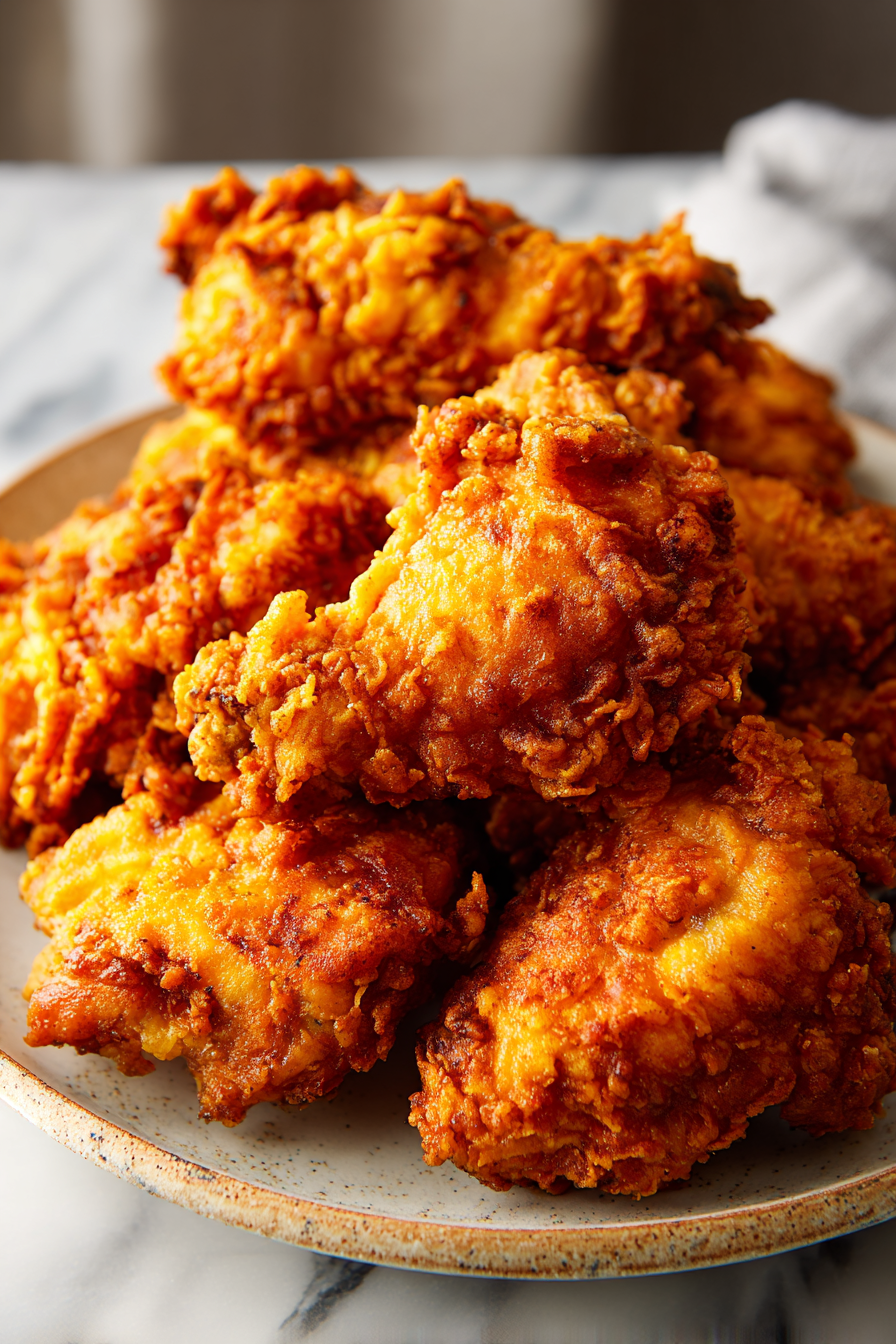
This batter is the crunchy, golden blanket that turns ordinary chicken into something worth writing home about—crispy, well-seasoned, and forgiving enough for weeknights or a backyard weekend feast. It’s the classic Southern-style dredge I return to when I want a reliably crunchy crust and juicy meat beneath, with a little tang and a lot of comfort.
My husband calls this “the one that makes the whole house smell like Sunday.” We started using this batter when our toddler went through a phase of being extremely picky about texture, and somehow the crisp exterior won them over every time. It’s become our go-to for celebrations, last-minute guests, and lazy Sunday dinners when everyone wants something familiar and satisfying.
Why You’ll Love This Classic Southern Fried Chicken Batter
– It produces a deeply crunchy crust that stays crisp even after a short rest, thanks to a balance of flour, cornstarch, and seasonings.
– The flavor is layered—salty, savory, and gently spiced—so you don’t need a heavy sauce to enjoy it.
– It’s forgiving: a little extra flour or a slightly hotter oil won’t ruin the result, and the method works with bone-in pieces, thighs, or boneless breasts.
– Ideal for both weeknight dinners and show-stopping weekend prep when you want something nostalgic that still feels elevated.
Behind the Recipe
This batter grew out of a few lessons: keep the wet and dry parts distinct until you’re ready to fry, don’t overcrowd the pan, and respect the oil temperature. I learned that a touch of cornstarch in the dry mix gives that particular shatter you want, while buttermilk (or a buttermilk substitute) adds both tang and tenderness. People often rush the resting step and end up with pieces that lose heat too quickly—let the crust set for a few minutes on a rack so it stays crisp. Also, don’t be shy with seasoning in the flour; under-seasoned coating is the most common misstep.
Shopping Tips
– Baking Basics (Flour/Sugar/Leaveners): Use all-purpose flour for the base and grab a small packet of cornstarch—its addition is the secret to a light, crackly crust.
– Eggs: If your batter calls for eggs in the wash, buy the freshest large eggs you can find—they help bind the coating and improve browning.
– Dairy: Buttermilk is traditional and worth buying or making (milk + a splash of lemon/vinegar) for flavor and tenderizing; a full-fat option yields the best mouthfeel.
– Spices: Keep kosher salt, black pepper, and a paprika on hand; smoked paprika adds depth, but plain sweet paprika keeps things classic.
– Fats & Oils: Use a neutral oil with a high smoke point (peanut, canola, or vegetable oil) and avoid olive oil for deep frying.
Prep Ahead Ideas
– Brine or marinate the chicken in buttermilk the night before to infuse flavor and tenderness—store in a sealed container in the fridge.
– Measure and mix the dry seasoning blend ahead of time and keep it in an airtight jar for quick assembly.
– Set up the dredging station (flour mix, egg wash, and a tray for coated pieces) on the counter before you start frying to streamline the process.
– Pre-chop any sides (coleslaw veg, mashed potato potatoes, herbs) and refrigerate in labeled containers so final assembly is fast.
Time-Saving Tricks
– Use a thermometer to monitor oil temperature; keeping it steady saves time and prevents repeated long waits for oil to recover between batches.
– Fry in consistent-size batches so pieces cook evenly—small, consistent batches reduce total frying time.
– If you’re short on time, bone-in thighs or drumsticks are more forgiving than breasts and require less babysitting.
– Let the oil do the work: don’t constantly move pieces around; a gentle turn once helps the crust form faster.
Common Mistakes
– Overcrowding the pan: I learned this the hard way—crowded oil drops in temperature and yields greasy, soggy coating; fry in smaller batches.
– Underseasoning the flour: the coating needs its own seasoning because the crust is where most of the flavor lives; taste the dry mix (it should be noticeably seasoned).
– Skipping the rest: placing fried pieces straight on paper towels traps steam and softens the crust—use a wire rack so air circulates.
– Relying on visual cues alone: color is helpful, but use an instant-read thermometer for larger pieces to ensure safe internal temps without overcooking.
What to Serve It With
– Classic sides like creamy mashed potatoes, tangy coleslaw, and buttermilk biscuits complement the rich, crunchy chicken beautifully.
– A bright cucumber-tomato salad or quick pickles adds acidity to cut the richness.
– For a Southern-inspired spread, add collard greens, mac and cheese, and cornbread.
Tips & Mistakes
– Tip: Keep a bowl of hot water nearby for quick utensil cleaning between batches to prevent burned bits from building up in the oil.
– Mistake: Frying at too-high heat for color—if the outside browns too fast, reduce heat and finish cooking more gently so the interior isn’t underdone.
Storage Tips
Store in airtight containers in the fridge. It reheats beautifully, but if you sneak a bite cold straight from the container, it still works.
Variations and Substitutions
– For a gluten-free version, swap the all-purpose flour with a 1:1 gluten-free flour blend and keep cornstarch in the mix for crispness.
– To change the flavor profile, add cayenne, garlic powder, or a pinch of baking powder (sparingly) to the dry mix for extra lift.
– If you prefer a lighter fry, bake at a high temperature after brushing pieces with oil—texture will differ but flavor stays close.
– Use skin-on thighs for juicier results; boneless breasts work when sliced into similar-thickness pieces.

Write me the frequently asked questions and answers Classic Southern Fried Chicken Batter in the same way as the example below.