
Creamy Seafood Lasagna Roll Recipe
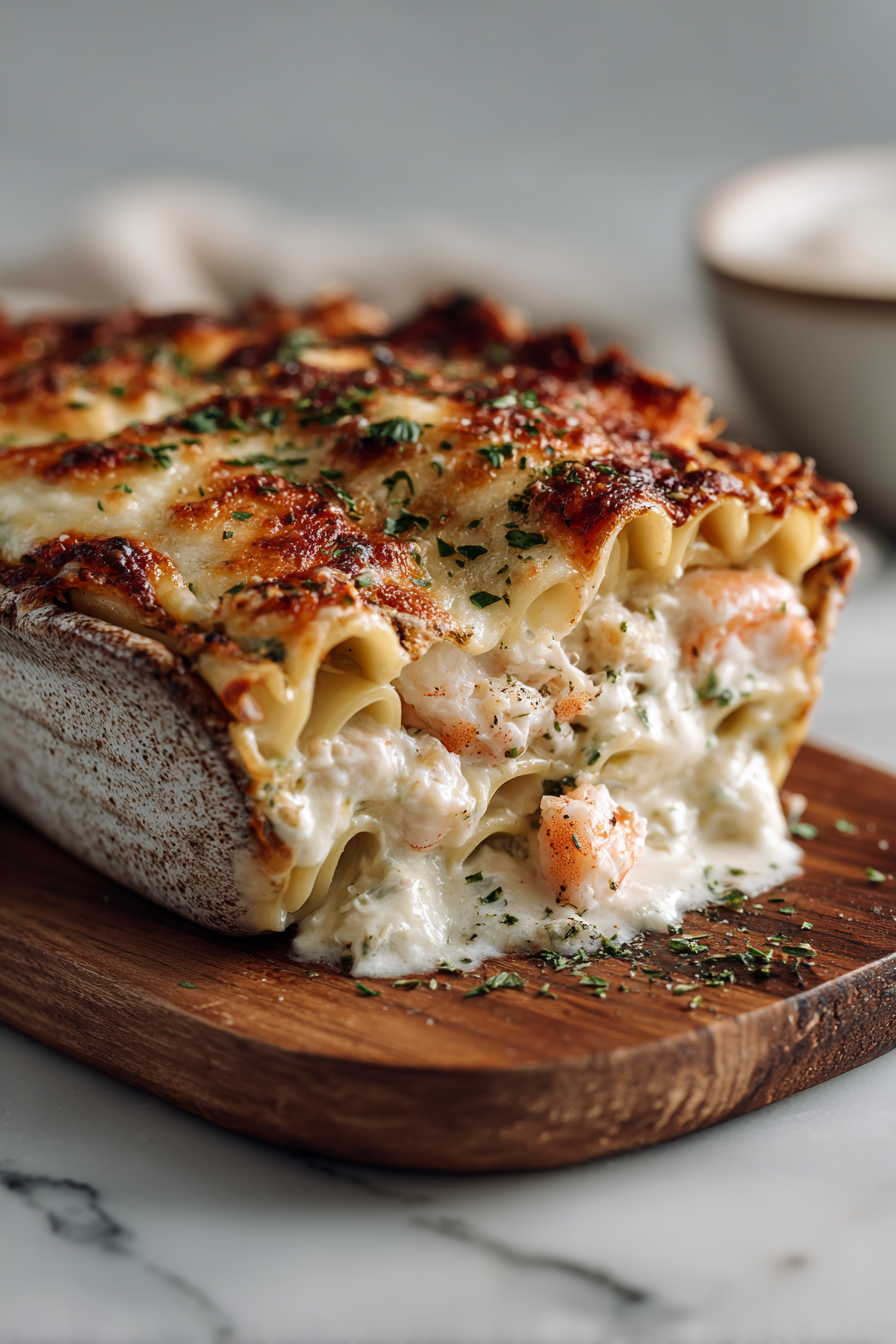
I fell for this creamy seafood lasagna roll the first time I made it for a slightly fussy dinner party: it looks elegant on the plate but feels like a warm hug, all silky white-sauce comfort with pockets of tender shrimp, scallops and flaky white fish. It’s special because it manages to be both showy and forgiving—delicate seafood wrapped in cheesy ricotta, a lemon-bright finish, and a béchamel that binds everything without stealing the spotlight.
My husband is the truest critic I have—he’s a grilled-meat kind of guy—but he will happily pick at leftovers of this one until the dish is gone. The kids call it “seafood lasagna rolls” with a dramatic flourish and request it for birthdays now. One small, ridiculous family ritual: I always sneak one roll for myself while the oven is cooling; it’s my quiet prize. Over the years it’s become our Sunday comfort dinner and my go-to when I want to impress without fussing.
Why You’ll Love This Creamy Seafood Lasagna Roll Recipe
– Elegant enough for guests but easy enough for a weeknight—it looks like restaurant food but doesn’t require perfect knife skills.
– The texture play: creamy ricotta, silky sauce, and pieces of seafood that stay tender instead of rubbery when handled properly.
– Flexible seafood mix—use what’s in season or on sale—so it’s both practical and lightly indulgent.
– Leftovers reheat beautifully and often taste even better the next day as the flavors meld.
Behind the Recipe
This dish is a balancing act between the delicate nature of seafood and the comforting weight of a creamy sauce. Over the years I’ve learned to treat the seafood gently—tiny cooks, higher heat, and quick finishes keep it from becoming tough. The sauce should be flavorful but not aggressive; a touch of lemon zest or a splash of white wine wakes everything up. Rolling the lasagna sheets snugly and letting the assembled pan rest briefly before baking helps them keep their shape. And don’t underestimate the little garnish details—fresh herbs and a dusting of Parmesan at the end make a big visual and flavor difference.
Shopping Tips
– Seafood: Look for firm, translucent shrimp and scallops that smell briny, not fishy; if using fresh fish, choose a mild, firm fillet like cod or haddock.
– Cheese: Choose whole-milk ricotta for creaminess and a good melting mozzarella; grate your Parmesan from a wedge for the most flavor.
– Dairy: Use full-fat milk or cream for the béchamel—it makes the sauce silkier and less likely to break.
– Grains/Pasta: Buy regular lasagna sheets unless you have “oven-ready” experience; if using no-boil sheets, reduce extra sauce to avoid sogginess.
– Fresh Herbs: Parsley and a squeeze of lemon are the simplest finishers—pick bright, fragrant bunches rather than wilting stems.
Prep Ahead Ideas
– Chop and measure herbs, grate cheeses, and portion the ricotta a day ahead; store in airtight containers in the fridge.
– If using large seafood (scallops, fillets), cut them to bite-sized pieces and keep them covered and chilled so they’re ready to fold into the filling.
– Make the béchamel up to a day ahead; rewarm gently and whisk before assembling so it’s silky and lump-free.
– Assembled but unbaked pans freeze well—wrap tightly, then bake from frozen with a bit more time; see the FAQ below for details.
Time-Saving Tricks
– Use pre-shredded mozzarella and a block Parmesan you grate quickly—saves time with only a slight tradeoff in melt quality.
– Cook the lasagna sheets in one large pot and cool them on a sheet pan spread in a single layer to speed assembly.
– Mise en place is your friend here: pre-measure the spices, zest the lemon, and have the ricotta ready to spoon into bowls before you start layering.
– If you’re short on time, swap fresh shellfish for thawed, well-drained cooked shrimp—toss them in at the end so they don’t overcook.
Common Mistakes
– Overcooking the seafood: I did this once and learned the hard way—shrimp and scallops go from buttery to tough fast. Cook them briefly and finish in the oven if needed.
– Watery filling or sauce: watery ricotta or ice-crusted frozen seafood makes the dish runny; drain well, blot with paper towels, and thicken the béchamel slightly.
– Rolls that fall apart: rolling too loosely or slicing hot noodles right away leads to sad unraveling—roll snug, and let the assembled pan sit a few minutes before cutting.
– Over-salting early: cheeses and store-bought broths can be salty; taste your sauce before adding extra salt.
What to Serve It With
A green, bright salad and something with texture balance the richness: think arugula with lemon vinaigrette, a fennel-citrus slaw, or roasted broccolini. A loaf of crusty bread or garlic toast is perfect for mopping up the sauce, and a chilled, acidic white wine like Pinot Grigio or a unoaked Chardonnay pairs beautifully.
Tips & Mistakes
For the best texture, add lemon zest and fresh herbs after baking rather than cooking them into the filling. If you notice the top is browning too quickly, tent loosely with foil—no one likes a scorched crown on an otherwise perfect bake.
Storage Tips
Store in airtight containers in the fridge. It reheats beautifully, but if you sneak a bite cold straight from the container, it still works. For longer storage, freeze individual portions in freezer-safe containers for up to 3 months; thaw overnight in the fridge before reheating.
Variations and Substitutions
– Swap seafood for a mushroom-spinach filling for a vegetarian version that keeps the same creamy appeal.
– Use crab in place of scallops for a sweeter, delicate profile, or add a touch of smoked salmon for depth—avoid mixing too many strong-flavored seafoods at once.
– If you need a lighter sauce, use half-and-half instead of cream, but reduce it slowly so the béchamel still coats the back of a spoon.
