
Cuban Style Beef Picadillo Stew
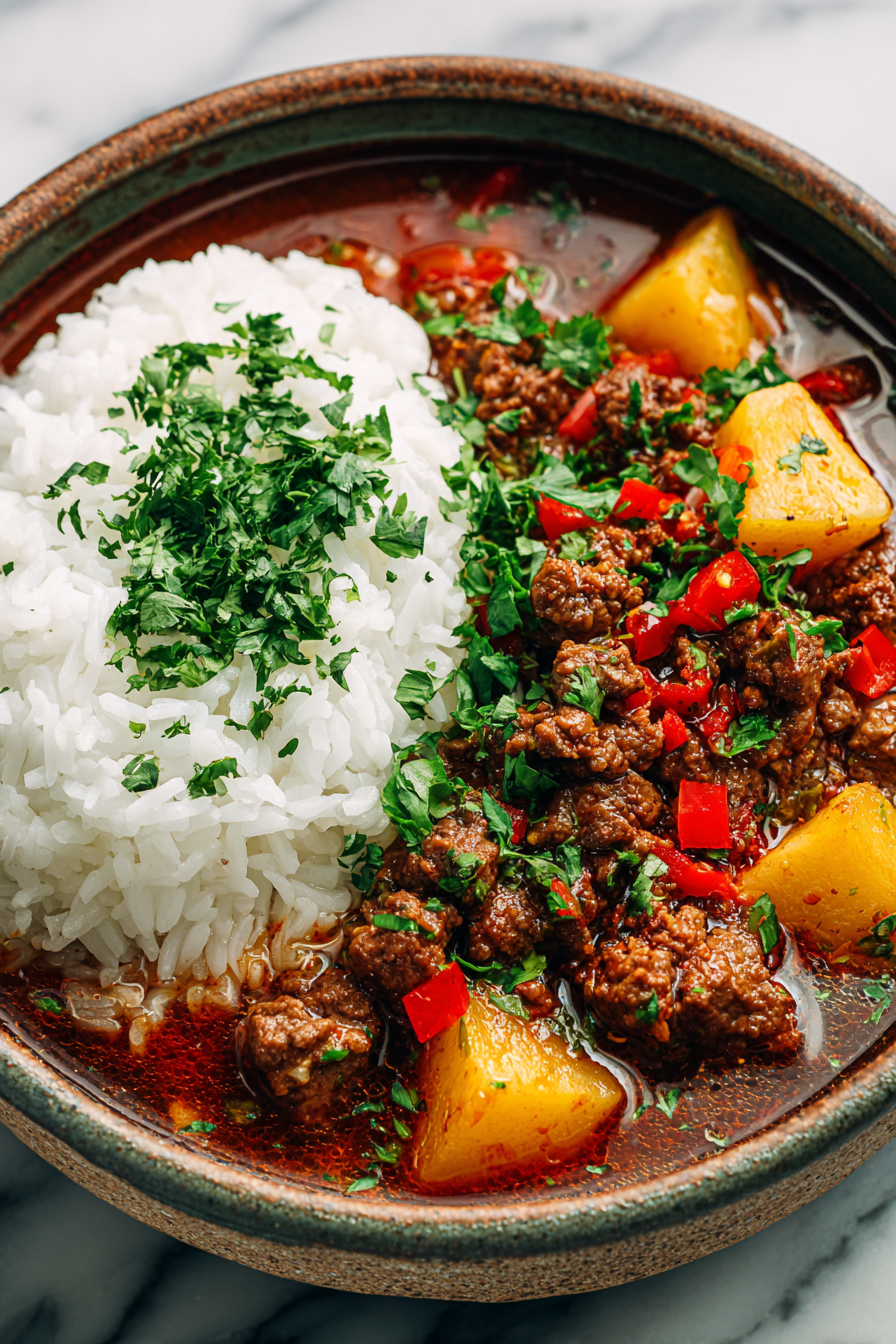
There’s something undeniably comforting about a pot of simmering picadillo: savory, tangy, slightly sweet, and layered with bright notes from olives and citrus. This Cuban Style Beef Picadillo Stew is my go-to when I want a meal that feels homey but also a little festive—perfect over rice, tucked into tacos, or served alongside fried plantains.
My husband is the unofficial taste-tester in our house, and picadillo is one of those recipes that makes him pause mid-bite and ask when I’ll make it again. It started as a weeknight experiment—leftover ground beef from tacos, an extra tomato, and a jar of olives—and quickly graduated to Sundays when I make a big pot and we eat it for dinner, lunches, and sometimes breakfast in tacos if we’re feeling wild. It’s become a staple because it’s forgiving, flavorful, and feeds our little family for days.
Why You’ll Love This Cuban Style Beef Picadillo Stew
– Heartwarming, pantry-friendly comfort food that builds deep flavor without fuss.
– A brilliant balance of savory and sweet notes—think beef, tomatoes, raisins, and olives—that keeps every bite interesting.
– Extremely flexible: easy to make ahead, freezes beautifully, and stretches to feed a crowd.
– Hands-off simmering means you can get chores done (or cuddle the kids) while it becomes wonderfully rich.
Behind the Recipe
This picadillo leans on a few simple techniques to get big flavor: browning the ground beef well for caramelized bits, building a sofrito with onions and peppers for an aromatic foundation, and finishing with a touch of vinegar or citrus to brighten the whole pot. I’ve learned that small additions—green olives for briny contrast, a pinch of cumin and oregano for warmth, and a few raisins for gentle sweetness—make the stew sing. People sometimes rush the browning step or skip the acid at the end, and the result can feel flat; slowing down for a few minutes at key moments pays off.
Shopping Tips
– Protein: Choose 80/20 ground beef for flavor and juiciness, or leaner if you prefer less fat; adjust the fat in the pan as needed.
– Vegetables: Look for firm onions and bell peppers with no soft spots—these build the stew’s base and should hold up during simmering.
– Canned Goods: Use a good-quality crushed or diced tomato and grab pitted green olives; low-sodium options let you control seasoning better.
– Spices: Fresh-ground cumin and dried oregano make a real difference—buy small amounts if you don’t use them often so they stay fragrant.
– Fresh Herbs: A bunch of cilantro or parsley for finishing brightens the dish; add at the end for the best flavor.
Prep Ahead Ideas
– Chop the onion, peppers, and garlic up to 24 hours in advance and store them in an airtight container in the fridge.
– Brown the beef and cool completely, then refrigerate for up to 3 days or freeze for longer; it re-heats into the sauce nicely.
– Measure spices and rinse/measure olives and raisins into small containers the night before to speed assembly on a busy evening.
– Prepping components ahead turns this into a 20-minute dinner: assemble in the pot, warm through, and you’re done.
Time-Saving Tricks
– Brown the meat in batches so it caramelizes instead of steaming—this small step adds huge flavor and cuts down on simmer time later.
– Use a food processor to quickly dice onions and peppers if you’re short on time.
– Frozen diced peppers can substitute in a pinch and keep the dish consistent year-round.
– A heavy-bottomed pan or Dutch oven distributes heat evenly so you don’t babysit the pot.
Common Mistakes
– Overcrowding the pan when browning ground beef; I did this once and ended up with gray, steamed meat. Fix: brown in batches and scrape up the fond between batches.
– Adding too many liquids at the start, which keeps the stew from concentrating; start with less and simmer until it reaches the intensity you want.
– Forgetting the acid finish—vinegar or a squeeze of lime wakes up the whole pot. If the stew tastes flat, a splash of acid usually rescues it.
– Over-salting early on; tastes concentrate during simmering, so season gradually and adjust at the end.
What to Serve It With
– Steamed white rice or coconut rice is the classic choice, absorbing the juices and balancing the flavors.
– Warm corn or flour tortillas make for fantastic picadillo tacos; top with crumbled queso fresco and pickled onions.
– Pan-fried plantains or tostones add sweet or crunchy contrast, depending on how you prepare them.
– A simple cabbage slaw with lime cuts through the richness and adds a refreshing crunch.
Tips & Mistakes
Pair picadillo with something that adds texture and brightness: a crisp slaw, pickled vegetables, or fried plantains. If you serve it over rice, keep a small bowl of hot sauce or pickled jalapeños on the side for anyone who wants heat. Avoid serving it only with soft sides—something crunchy lifts the meal.
Storage Tips
Store in airtight containers in the fridge. It reheats beautifully, but if you sneak a bite cold straight from the container, it still works.
Variations and Substitutions
– Swap ground beef for ground turkey or pork for a lighter or different-flavored picadillo; turkey will be leaner and benefit from a touch more olive oil.
– If you love heat, add chopped jalapeño or a pinch of cayenne while sautéing the aromatics.
– Raisins are traditional for sweetness, but chopped dried apricots or a spoonful of jam can work if you prefer a different note.
– Olives and capers add briny contrast; if you’re avoiding brine, a few roasted red peppers give sweetness without salt.
– For a vegetarian take, use textured vegetable protein or lentils with a splash of soy for umami—texture changes, but the spirit remains.

Write me the frequently asked questions and answers Cuban Style Beef Picadillo Stew in the same way as the example below.