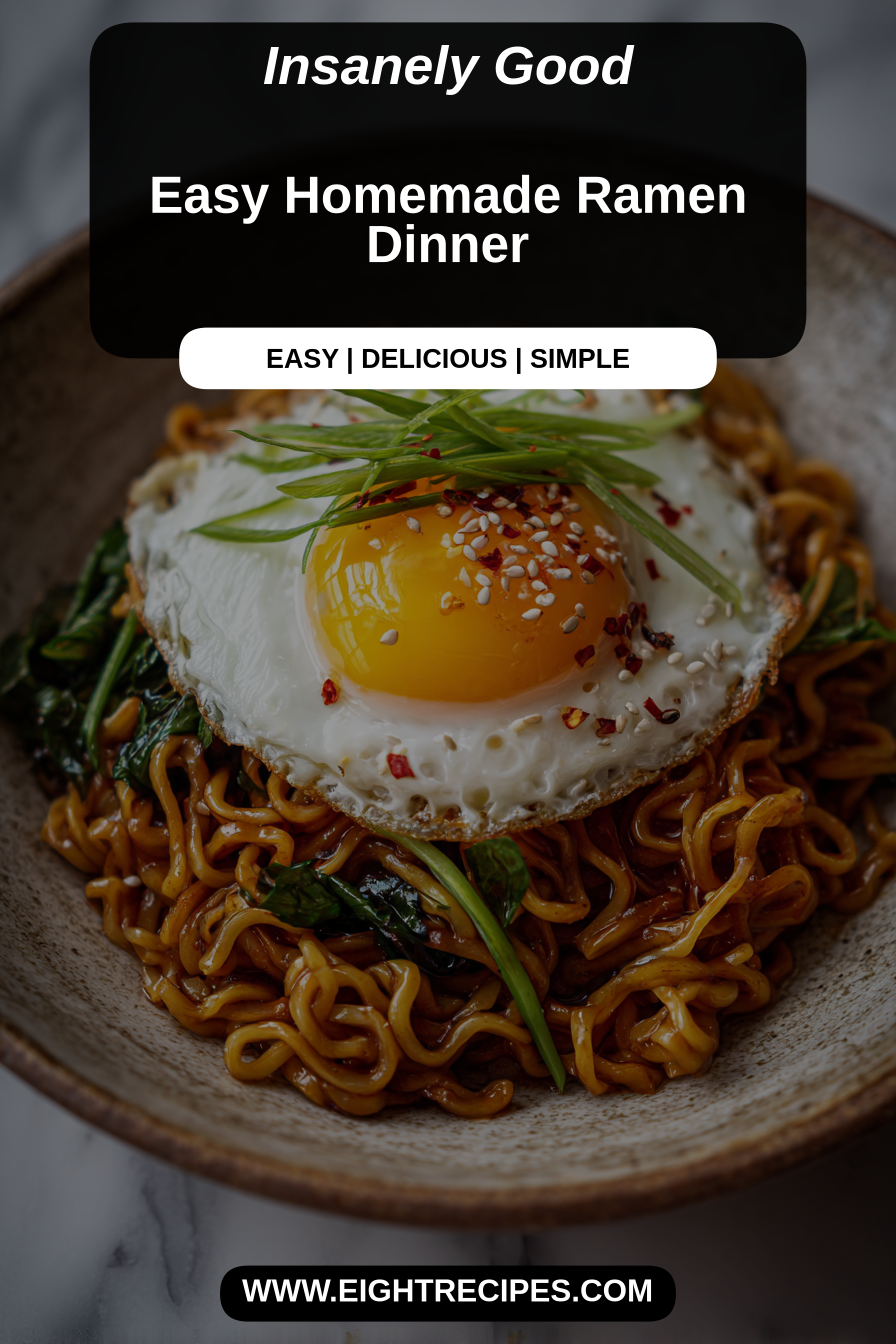
Easy Homemade Ramen Dinner
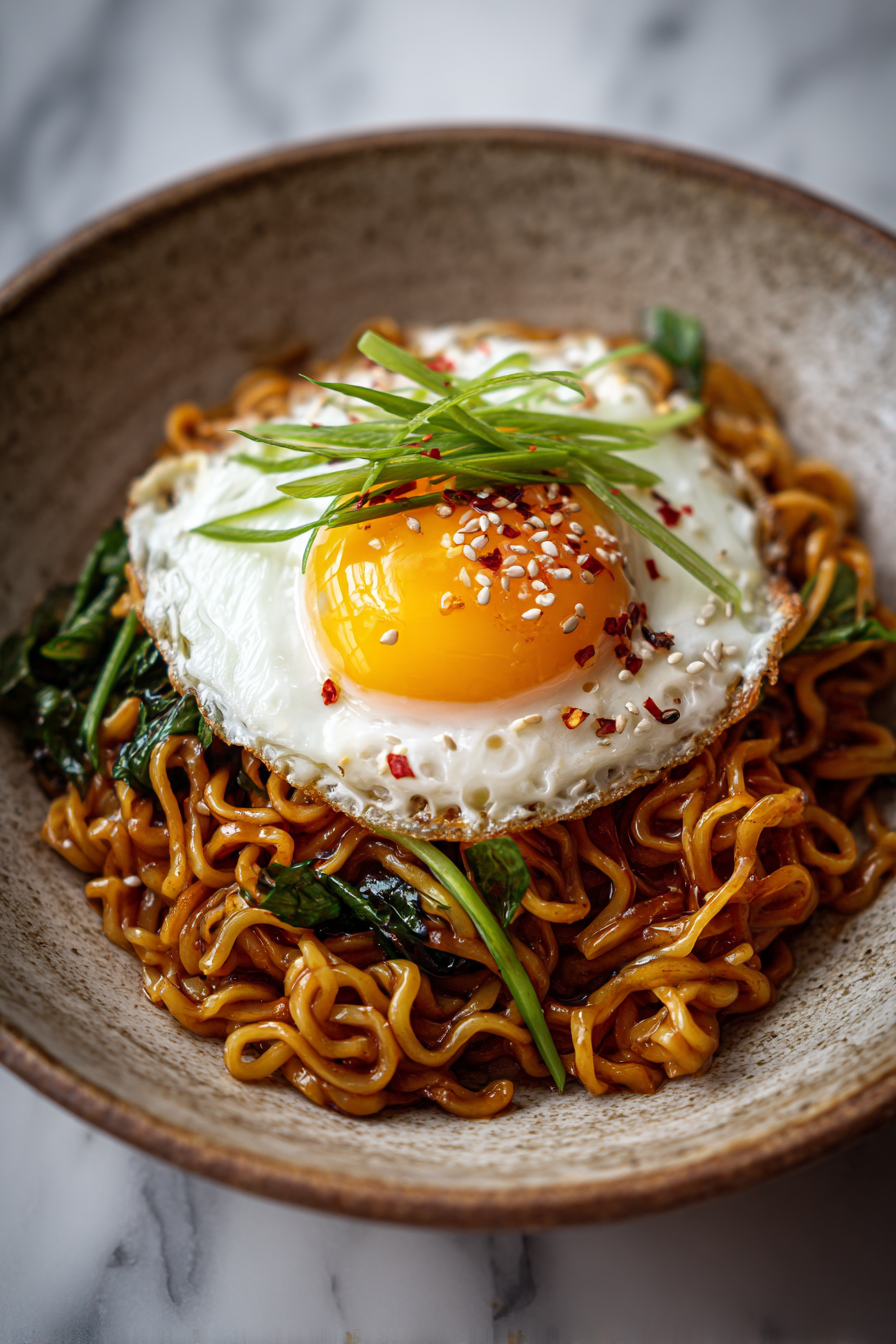
When the craving for a comforting bowl of ramen hits, the thought of an hour-long broth simmer or a complicated list of ingredients can feel daunting. That’s where this easy homemade ramen dinner swoops in to save the day, bringing all the rich, umami depth and slurpable noodles you adore right into your kitchen with remarkable simplicity. This isn’t about replicating a traditional, days-in-the-making ramen shop experience—it’s about capturing the soul of ramen, quickly and deliciously, making it an achievable weeknight wonder for anyone who loves good food without the fuss.
There’s something so satisfying about a hearty bowl of ramen after a long day, and it’s become a go-to for my husband and me. I remember one blustery Tuesday evening, the kind where the wind howls like a hungry wolf outside, and all you want is warmth from the inside out. We had planned a quick, light dinner, but the weather had other ideas. “Ramen,” I declared, almost as a dare. He looked skeptical, imagining the takeout containers. But within thirty minutes, the aroma of a savory broth, tender noodles, and perfectly cooked eggs filled our kitchen. As we sat, steam curling from our bowls, slurping up every last drop, he turned to me, a happy, brothy mustache gracing his upper lip, and simply said, “Okay, you win. This is magic.” It’s moments like those, sharing a simple, delicious meal that feels like a big hug, that make this recipe a treasured staple in our home.
Why You’ll Love This Easy Homemade Ramen Dinner
This recipe isn’t just about speed; it’s about smart cooking that delivers on flavor and satisfaction.
* It’s incredibly customizable: Think of this as a delicious canvas. Swap proteins, load up on your favorite vegetables, or experiment with different garnishes. It truly adapts to what you have on hand or what you’re in the mood for.
* Perfect for weeknights: From start to finish, you’re looking at a meal that comes together faster than most takeout options, making it a reliable choice for busy evenings when you still want something wholesome and comforting.
* Packed with flavor: Despite its simplicity, the broth is incredibly rich and savory, a symphony of umami that tastes like it simmered for hours. It’s the kind of warmth that soothes the soul and satisfies your hunger.
* A healthier alternative: When you make ramen at home, you control the ingredients. You can opt for low-sodium broth, add extra fresh vegetables, and ensure every component is exactly to your liking, without any hidden additives.
Behind the Recipe
The magic of an easy homemade ramen lies in building layers of flavor quickly. I’ve learned that the key isn’t necessarily a long simmer, but rather good quality foundational ingredients and smart seasoning. Many people stumble by using just plain broth and expecting it to taste like a ramen shop. The secret is to fortify that store-bought broth with aromatics like fresh ginger and garlic, along with savory elements like soy sauce and mirin. Don’t be shy with those; they’re what give the broth its depth. Another little touch that makes all the difference is the soft-boiled egg—it’s not just a garnish, but a creamy, rich element that melts into the broth. Getting the noodles right is crucial too; they should be tender but still have a slight bite, so resist overcooking them. And a final swirl of sesame oil at the end? That’s your aroma booster, making the whole bowl sing.
Shopping Tips
– Grains/Pasta: Look for fresh or dried ramen noodles in the Asian aisle. Avoid the seasoning packets that come with instant ramen, but the noodles themselves are often perfectly fine.
– Canned Goods: Choose a good quality, low-sodium chicken or vegetable broth. This forms the base of your soup, so its flavor is paramount.
– Protein: A rotisserie chicken makes this dish incredibly easy. Otherwise, thin-cut pork belly, pre-cooked shrimp, or firm tofu are all excellent choices.
– Vegetables: Fresh shiitake mushrooms, baby bok choy, and bright green scallions are non-negotiable for flavor and texture. Pick firm, unblemished produce.
– Specialty Item: Mirin and soy sauce (or tamari for gluten-free) are essential. While specialty items, they’re common now in most grocery stores and last a long time.
– Fats & Oils: Toasted sesame oil is a flavor powerhouse. A little goes a long way, so a small bottle will last you for many batches of ramen.
Prep Ahead Ideas
You’d be surprised how much time you can save by prepping ahead. The day before, you can slice your mushrooms, chop your scallions (keeping the green and white parts separate), and wash your bok choy. If you’re using chicken breasts, you can cook and shred them too. For the soft-boiled eggs, you can boil them the day before and store them in the fridge, ready to peel and slice just before serving. Store all these components in separate airtight containers in the refrigerator. Having everything chopped and ready means that on a busy weeknight, all you have to do is heat the broth and cook the noodles, turning a half-hour meal into a 15-minute assembly.
Time-Saving Tricks
The biggest time-saver here is using a pre-cooked protein, like rotisserie chicken or even pre-cooked shrimp. Another smart move is to have your broth ingredients (ginger, garlic, soy sauce, mirin) measured out before you even turn on the stove – a true mise en place hack. Don’t be afraid to use frozen pre-chopped ginger and garlic if that’s what makes it happen for you. And when it comes to the noodles, cook them al dente, directly in the broth if you’re feeling extra quick, or separately to avoid a starchy broth. However, resist the urge to rush the broth’s seasoning; taking an extra minute to taste and adjust the salt and umami levels is always worth it.
Common Mistakes
One common mistake is under-seasoning the broth. Plain broth will taste, well, plain. Remember to build layers with soy sauce, mirin, and aromatics. Another pitfall is overcooking the noodles, turning them into a mushy disappointment. Keep an eye on the clock and follow package directions, remembering they’ll continue to cook slightly in the hot broth. I’ve definitely had my fair share of watery ramen from not fully draining my noodles or adding too many raw veggies that release moisture. If your broth is too thin, a quick swirl of cornstarch slurry can rescue it, or you can just let it simmer uncovered for a few extra minutes to reduce.
What to Serve It With
This easy homemade ramen is truly a meal in itself, robust and satisfying. However, if you’re looking to round out the experience, a simple side of blanched edamame with a sprinkle of sea salt, or a crisp green salad with a light ginger-sesame dressing, would be delightful. Sometimes, I’ll also serve it alongside some gyoza or spring rolls from the freezer aisle for an extra treat.
Tips & Mistakes
Storage Tips
Store in airtight containers in the fridge. It reheats beautifully, but if you sneak a bite cold straight from the container, it still works.
Variations and Substitutions
This recipe is wonderfully adaptable! For a vegetarian version, swap the chicken broth for vegetable broth and use pan-fried tofu or tempeh as your protein. For an extra kick, a dash of sriracha or chili oil is always welcome. If you don’t have mirin, a pinch of sugar can provide a similar sweetness, though mirin offers a more complex flavor. Feel free to experiment with different greens like spinach or napa cabbage in place of bok choy. While fresh ginger and garlic are best, dried or pre-minced versions will still contribute flavor in a pinch. However, for the noodles, sticking to actual ramen noodles or a similar Asian noodle variety is key for the right texture and mouthfeel.