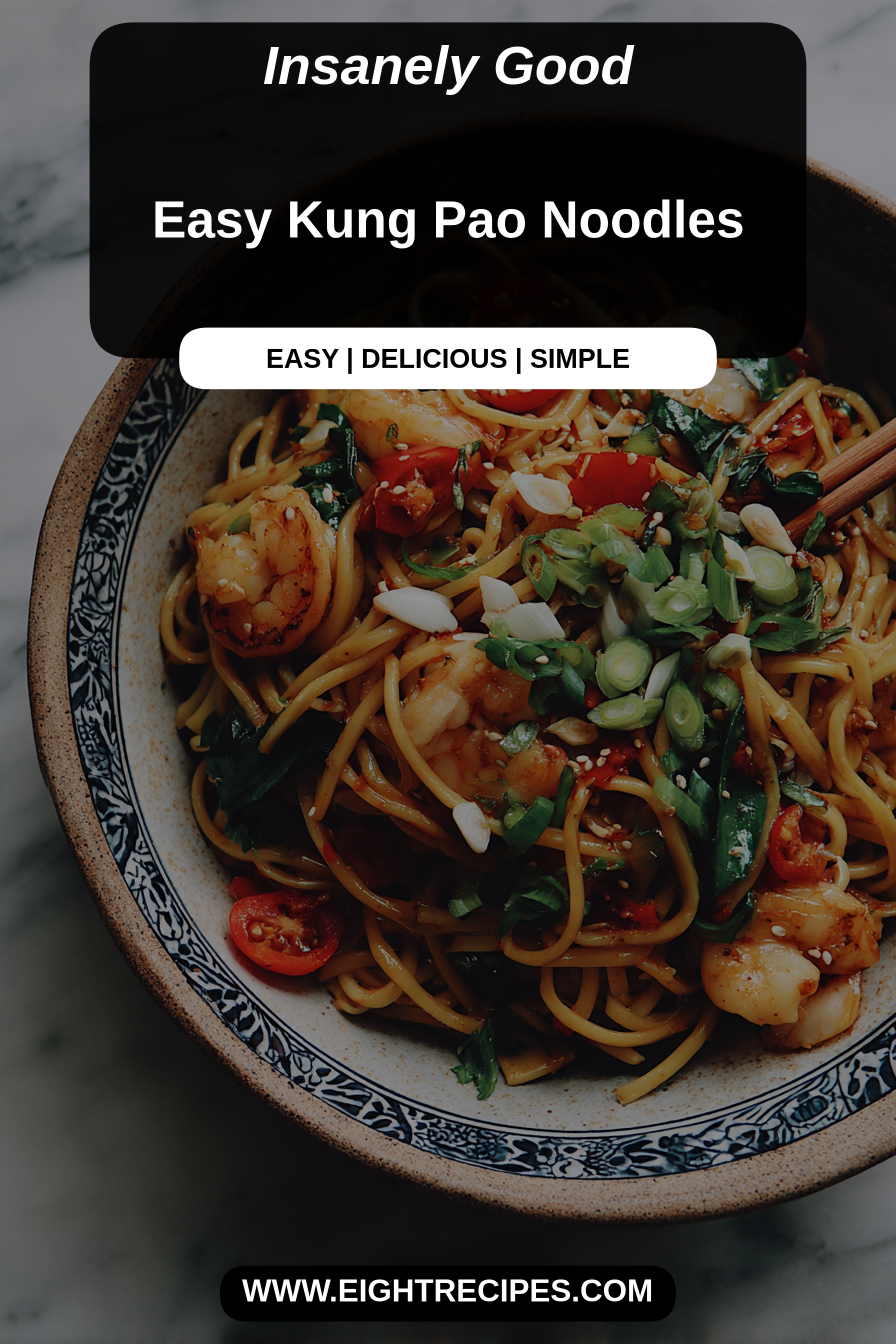
Easy Kung Pao Noodles
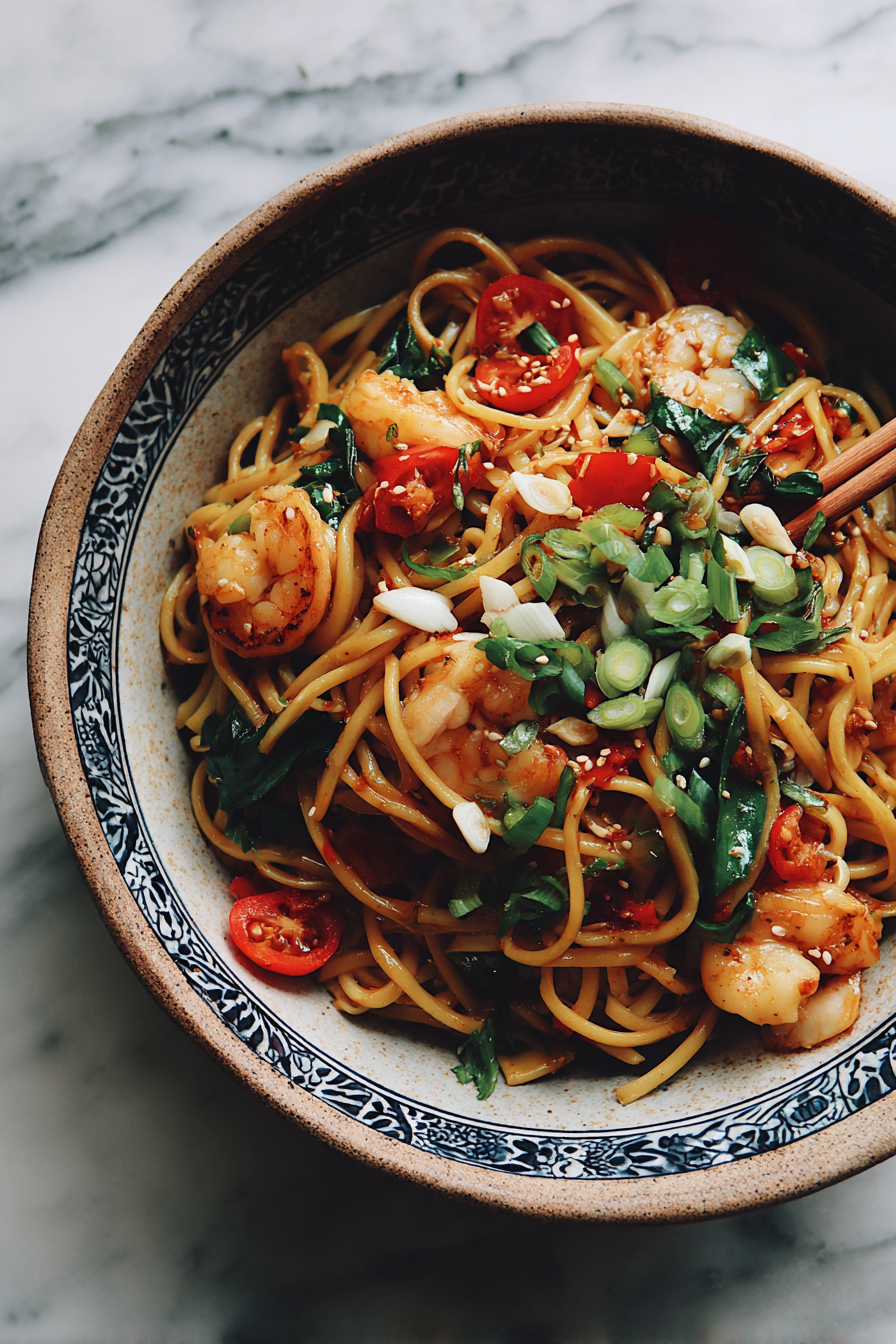
There’s something incredibly satisfying about a meal that tastes like it came from your favorite takeout spot, yet you know it was whipped up in your own kitchen in a fraction of the time. This Easy Kung Pao Noodles recipe perfectly encapsulates that feeling—it’s a vibrant, savory, and slightly spicy dish that comes together with remarkable speed, making it an absolute weeknight lifesaver.
My husband, Mark, has a serious soft spot for anything with noodles, and this Kung Pao version has become one of his top requests. I remember one particularly hectic Tuesday evening, we both got home late, completely exhausted, and the thought of cooking anything elaborate felt impossible. I had all the ingredients for this on hand, and within twenty minutes, we were sitting down to a steaming bowl of these flavorful noodles. Mark took one bite, looked at me, and said, “Okay, this is going into the regular rotation.” It’s since saved us from ordering takeout countless times, always delivering that perfect blend of sweet, savory, and a gentle kick that makes it utterly irresistible.
Why You’ll Love This Easy Kung Pao Noodles
* It’s incredibly quick to prepare, often ready in under 30 minutes, which makes it perfect for those busy weeknights when you still crave something satisfying and homemade.
* The balance of flavors—sweet, savory, and a touch of heat—is perfectly calibrated, offering that classic Kung Pao profile in a slurpable, noodle-focused format.
* This recipe is wonderfully adaptable; you can easily swap proteins, add extra vegetables, or adjust the spice level to suit your family’s preferences.
* It’s a fantastic way to recreate your favorite takeout experience at home, often tasting even better and giving you control over the freshness and quality of ingredients.
Behind the Recipe
What I’ve learned making this dish time and again is that the key truly lies in the balance and the prep. Don’t be shy with your aromatics—fresh ginger and garlic make all the difference, providing a vibrant base for the sauce. A common pitfall can be overcrowding your pan; if you’re stir-frying chicken or vegetables, do it in batches if necessary to ensure everything gets a nice sear instead of steaming. This preserves texture and flavor. The little touches that really make it shine are the toasted sesame oil, added right at the end for that nutty aroma, and a generous sprinkle of roasted peanuts for crunch. It’s those textural contrasts that elevate it from a simple noodle dish to something truly special.
Shopping Tips
– Protein: I usually reach for boneless, skinless chicken thighs for their flavor and tenderness, but chicken breast works beautifully too. For a vegetarian option, firm or extra-firm tofu, pressed and cubed, is a fantastic swap.
– Vegetables: Bell peppers (red or green add great color), onions, and scallions are standard. Look for firm, vibrant peppers and fresh, crisp scallions. Dried red chilis are essential for that signature heat.
– Grains/Pasta: You can use a variety of noodles here! Fresh or dried udon, ramen noodles, or even spaghetti or linguine can be tossed in. Choose a noodle that holds up well to a rich sauce.
– Fats & Oils: You’ll need a neutral oil for stir-frying (like canola or vegetable oil) and toasted sesame oil for its distinctive nutty aroma, which is added right at the end.
– Canned Goods: Ensure you have quality low-sodium soy sauce (or tamari for gluten-free), rice vinegar, and chicken or vegetable broth on hand. A good chili garlic sauce adds depth and adjustable heat.
– Crunch Extras: Unsalted, dry roasted peanuts are crucial for the classic Kung Pao crunch. You can often find them in the baking or snack aisle; make sure they’re fresh for optimal flavor.
Prep Ahead Ideas
Most of the prep for Easy Kung Pao Noodles can be done ahead, making weeknight assembly a breeze. The day before, you can chop all your vegetables (bell peppers, onions, scallions, garlic, and ginger) and store them in separate airtight containers in the fridge. The sauce ingredients can also be whisked together and kept in a jar in the refrigerator. If you’re using chicken, you can cube and even marinate it in a little soy sauce and cornstarch for extra tender results. This level of prep means you’re just a quick stir-fry away from dinner when you get home, shaving off significant time from your cooking.
Time-Saving Tricks
The biggest time-saver here is always mise en place—having all your ingredients prepped and laid out before you even turn on the stove. Using pre-chopped garlic and ginger (though fresh is always preferred, sometimes convenience wins!) can shave off a few minutes. If you’re really pressed for time, pre-cooked noodles or quick-cooking ramen can be a godsend. However, don’t rush the stir-fry process itself; ensure your pan is hot enough to achieve a good sear on your protein and vegetables, as this is where the flavor truly develops. A few extra moments here will prevent a bland or watery dish.
Common Mistakes
One common mistake I’ve encountered is overcooking the noodles. They should be al dente, as they’ll continue to cook slightly when tossed with the hot sauce. Another pitfall is a watery sauce, often caused by overcrowding the pan with too many vegetables, which then steam instead of sauté. Cook vegetables in batches if your pan isn’t large enough. I once tried to shortcut by adding all the sauce at once before the flavors could properly meld and the cornstarch slurry could activate, resulting in a thin, lackluster coating. Always let the sauce simmer briefly to thicken and concentrate its flavors. If your sauce is too thin, a quick cornstarch slurry (1 tsp cornstarch mixed with 1 tsp cold water) stirred in at the end can save it.
What to Serve It With
This Easy Kung Pao Noodles recipe is quite a complete meal on its own, but if you’re looking to round it out, a simple side like steamed or stir-fried bok choy, a refreshing cucumber salad, or even a light miso soup would be lovely.
Tips & Mistakes
Storage Tips
Store in airtight containers in the fridge. It reheats beautifully, but if you sneak a bite cold straight from the container, it still works.
Variations and Substitutions
This recipe is wonderfully flexible. For the protein, shrimp or thinly sliced beef are fantastic alternatives to chicken. If you prefer a vegetarian version, pressed extra-firm tofu or even tempeh can be cubed and stir-fried. To adjust the heat, you can increase or decrease the number of dried red chilis or chili garlic sauce—for a milder version, omit the chilis entirely. If you don’t have rice vinegar, apple cider vinegar can be a decent stand-in, though it has a slightly different acidity. As for the noodles, feel free to use ramen, lo mein, or even spaghetti in a pinch. While classic Kung Pao often includes a mix of textures, don’t hesitate to add other quick-cooking vegetables like snap peas or broccoli florets.