
Easy Russian Buttercream Recipes
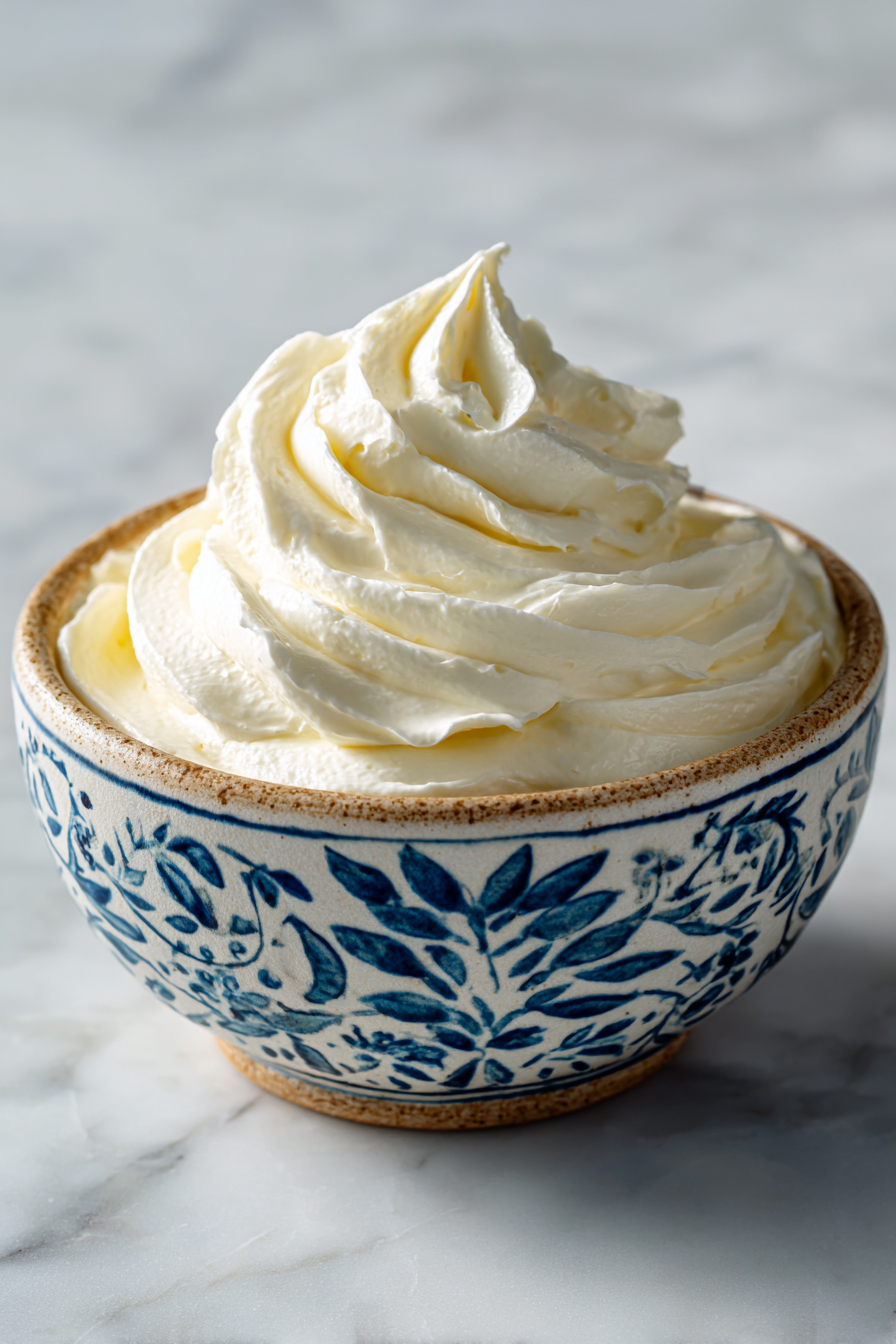
There’s a special magic that happens in the kitchen when you discover a recipe that’s not just delicious, but also surprisingly simple and incredibly versatile. This Easy Russian Buttercream is exactly that kind of recipe. Unlike some of its sweeter, heavier cousins, Russian buttercream is renowned for its smooth, almost velvety texture and its balanced sweetness, making it the perfect partner for everything from delicate cupcakes to elaborate layer cakes. If you’ve ever found other buttercreams too cloying or dense, you’re in for a delightful surprise with this light-as-air confection.
I remember the first time I made this Russian buttercream for my husband. It was for our anniversary, and I’d baked a classic vanilla bean cake, wanting a frosting that would complement rather than overwhelm it. When he took his first bite, his eyes lit up. “This is incredible!” he exclaimed, asking for more, which is high praise from him given his usual preference for a lighter dessert. Since then, it’s become my go-to, the secret weapon for every birthday cake, holiday cookie, and even just a spontaneous batch of cupcakes on a Tuesday night. It’s so easy, and the results are consistently stunning, which means less stress for me and more happy faces around the kitchen table.
Why You’ll Love This Easy Russian Buttercream Recipes
* It’s wonderfully light and silky, melting delicately in your mouth without the overly sugary hit often found in other buttercreams.
* Made with just a few pantry staples, it comes together quickly, making it a fantastic option for last-minute baking projects.
* The smooth consistency is a dream to work with, perfect for piping intricate designs or simply spreading a rustic, beautiful finish on any dessert.
* It’s incredibly stable, holding its shape beautifully even in warmer temperatures, which means less worry about your gorgeous creations wilting.
* Its subtle sweetness allows other flavors in your desserts, like a rich chocolate cake or a tart lemon curd, to truly shine through.
Behind the Recipe
Getting Russian buttercream just right really hinges on a couple of key things I’ve learned over time. First and foremost, the butter’s temperature is critical. It needs to be genuinely softened to room temperature, but not melted. If it’s too cold, your buttercream will curdle and look lumpy; if it’s too warm, it’ll be soupy. I usually take my butter out an hour or two before I start, letting it sit on the counter. Another tip is to really let your mixer do the work. Don’t rush the whipping process; that’s where the air gets incorporated, giving it that signature light and fluffy texture. And finally, don’t be afraid to taste and adjust. A tiny pinch of salt can really elevate the flavors, even in a sweet frosting, and a good quality vanilla extract makes all the difference.
Shopping Tips
– Dairy: Opt for high-quality unsalted butter. Its flavor is the star here, so a good butter makes a noticeable difference. Make sure it’s softened properly before you begin.
– Sweeteners: You’ll need sweetened condensed milk for this recipe. Check the label to ensure it’s actual condensed milk, not evaporated milk, as they are very different.
– Flavor Boosts: Invest in pure vanilla extract. The difference in aroma and taste compared to imitation vanilla is significant and will elevate your buttercream.
– Baking Basics: If you plan on a more traditional powdered sugar version, ensure you have a fresh bag of confectioners’ sugar on hand for the smoothest results.
– Budget Swaps: While premium butter is lovely, a reliable store-brand unsalted butter will also yield delicious results without breaking the bank.
Prep Ahead Ideas
You can take some stress out of baking by prepping a few things for your buttercream in advance. The most crucial step is ensuring your butter is at the perfect room temperature, so pull it out of the fridge an hour or two before you plan to start mixing. If you’re using any flavorings beyond vanilla, like melted chocolate or fruit purees (cooled completely!), you can also prepare those ahead of time. Lastly, gather all your mixing bowls and spatulas so everything is within easy reach when you’re ready to whip.
Time-Saving Tricks
The biggest time-saver for this buttercream is definitely using a stand mixer with the whisk attachment. It does all the heavy lifting, allowing you to focus on other steps or simply relax. Don’t skimp on the whipping time; while it might seem like a lot, that’s what creates the airy texture. If you’re really in a pinch and your butter is cold, you can cut it into smaller pieces and gently microwave it for a few seconds at a time (just don’t let it melt!), or place it near a warm stove burner to speed up the softening process.
Common Mistakes
The most frequent pitfall with Russian buttercream is using butter that’s too cold or too warm. If your butter is too cold, the condensed milk won’t emulsify properly, leaving you with a curdled, chunky mess. If it’s too warm, it can become soupy and difficult to pipe. Another common mistake is not whipping the butter long enough at the start; you want it light and fluffy before adding the condensed milk. If it does curdle, don’t panic! Sometimes a quick blast of heat with a blow dryer on the outside of the mixing bowl while the mixer runs can bring it back together, or adding a tablespoon of softened butter can help re-emulsify.
What to Serve It With
This versatile Russian buttercream is perfect for so many desserts! Its delicate sweetness makes it an ideal frosting for classic vanilla or chocolate layer cakes, fluffy cupcakes, or elegant sponge cakes. It also makes a fantastic filling for French macarons, sandwich cookies, or even as a simple topping for brownies. Don’t forget it’s wonderful for piping decorations on sugar cookies or other festive treats.
Tips & Mistakes
Storage Tips
Store in airtight containers in the fridge. It reheats beautifully, but if you sneak a bite cold straight from the container, it still works.
Variations and Substitutions
The beauty of this buttercream lies in its adaptable nature. To make a chocolate version, simply melt about 3-4 ounces of good quality semi-sweet or dark chocolate, let it cool slightly, and stream it into the finished buttercream while the mixer is running. For a coffee flavor, dissolve a teaspoon of instant espresso powder in a tablespoon of hot milk, cool it, and mix it in. Citrus zest (lemon, orange, or lime) can add a bright, fresh note. While the sweetened condensed milk is key to the texture, if you need a dairy-free option, you can experiment with plant-based butter alternatives and dairy-free sweetened condensed milk, though the texture might vary slightly.
Frequently Asked Questions
The first characters of the output must NOT be “#”, “##”, “###”, “**”, “ * It’s wonderfully light and silky, melting delicately in your mouth without the overly sugary hit often found in other buttercreams. Getting Russian buttercream just right really hinges on a couple of key things I’ve learned over time. First and foremost, the butter’s temperature is critical. It needs to be genuinely softened to room temperature, but not melted. If it’s too cold, your buttercream will curdle and look lumpy; if it’s too warm, it’ll be soupy. I usually take my butter out an hour or two before I start, letting it sit on the counter. Another tip is to really let your mixer do the work. Don’t rush the whipping process; that’s where the air gets incorporated, giving it that signature light and fluffy texture. And finally, don’t be afraid to taste and adjust. A tiny pinch of salt can really elevate the flavors, even in a sweet frosting, and a good quality vanilla extract makes all the difference. – Dairy: Opt for high-quality unsalted butter. Its flavor is the star here, so a good butter makes a noticeable difference. Make sure it’s softened properly before you begin. You can take some stress out of baking by prepping a few things for your buttercream in advance. The most crucial step is ensuring your butter is at the perfect room temperature, so pull it out of the fridge an hour or two before you plan to start mixing. If you’re using any flavorings beyond vanilla, like melted chocolate or fruit purees (cooled completely!), you can also prepare those ahead of time. Lastly, gather all your mixing bowls and spatulas so everything is within easy reach when you’re ready to whip. The biggest time-saver for this buttercream is definitely using a stand mixer with the whisk attachment. It does all the heavy lifting, allowing you to focus on other steps or simply relax. Don’t skimp on the whipping time; while it might seem like a lot, that’s what creates the airy texture. If you’re really in a pinch and your butter is cold, you can cut it into smaller pieces and gently microwave it for a few seconds at a time (just don’t let it melt!), or place it near a warm stove burner to speed up the softening process. The most frequent pitfall with Russian buttercream is using butter that’s too cold or too warm. If your butter is too cold, the condensed milk won’t emulsify properly, leaving you with a curdled, chunky mess. If it’s too warm, it can become soupy and difficult to pipe. Another common mistake is not whipping the butter long enough at the start; you want it light and fluffy before adding the condensed milk. If it does curdle, don’t panic! Sometimes a quick blast of heat with a blow dryer on the outside of the mixing bowl while the mixer runs can bring it back together, or adding a tablespoon of softened butter can help re-emulsify. This versatile Russian buttercream is perfect for so many desserts! Its delicate sweetness makes it an ideal frosting for classic vanilla or chocolate layer cakes, fluffy cupcakes, or elegant sponge cakes. It also makes a fantastic filling for French macarons, sandwich cookies, or even as a simple topping for brownies. Don’t forget it’s wonderful for piping decorations on sugar cookies or other festive treats. Store in airtight containers in the fridge. It reheats beautifully, but if you sneak a bite cold straight from the container, it still works. The beauty of this buttercream lies in its adaptable nature. To make a chocolate version, simply melt about 3-4 ounces of good quality semi-sweet or dark chocolate, let it cool slightly, and stream it into the finished buttercream while the mixer is running. For a coffee flavor, dissolve a teaspoon of instant espresso powder in a tablespoon of hot milk, cool it, and mix it in. Citrus zest (lemon, orange, or lime) can add a bright, fresh note. While the sweetened condensed milk is key to the texture, if you need a dairy-free option, you can experiment with plant-based butter alternatives and dairy-free sweetened condensed milk, though the texture might vary slightly.
* Made with just a few pantry staples, it comes together quickly, making it a fantastic option for last-minute baking projects.
* The smooth consistency is a dream to work with, perfect for piping intricate designs or simply spreading a rustic, beautiful finish on any dessert.
* It’s incredibly stable, holding its shape beautifully even in warmer temperatures, which means less worry about your gorgeous creations wilting.
* Its subtle sweetness allows other flavors in your desserts, like a rich chocolate cake or a tart lemon curd, to truly shine through.Behind the Recipe
Shopping Tips
– Sweeteners: You’ll need sweetened condensed milk for this recipe. Check the label to ensure it’s actual condensed milk, not evaporated milk, as they are very different.
– Flavor Boosts: Invest in pure vanilla extract. The difference in aroma and taste compared to imitation vanilla is significant and will elevate your buttercream.
– Baking Basics: If you plan on a more traditional powdered sugar version, ensure you have a fresh bag of confectioners’ sugar on hand for the smoothest results.
– Budget Swaps: While premium butter is lovely, a reliable store-brand unsalted butter will also yield delicious results without breaking the bank.Prep Ahead Ideas
Time-Saving Tricks
Common Mistakes
What to Serve It With
Tips & Mistakes
Storage Tips
Variations and Substitutions
Frequently Asked Questions