
Homemade Chow Mein with Chow Mein Sauce
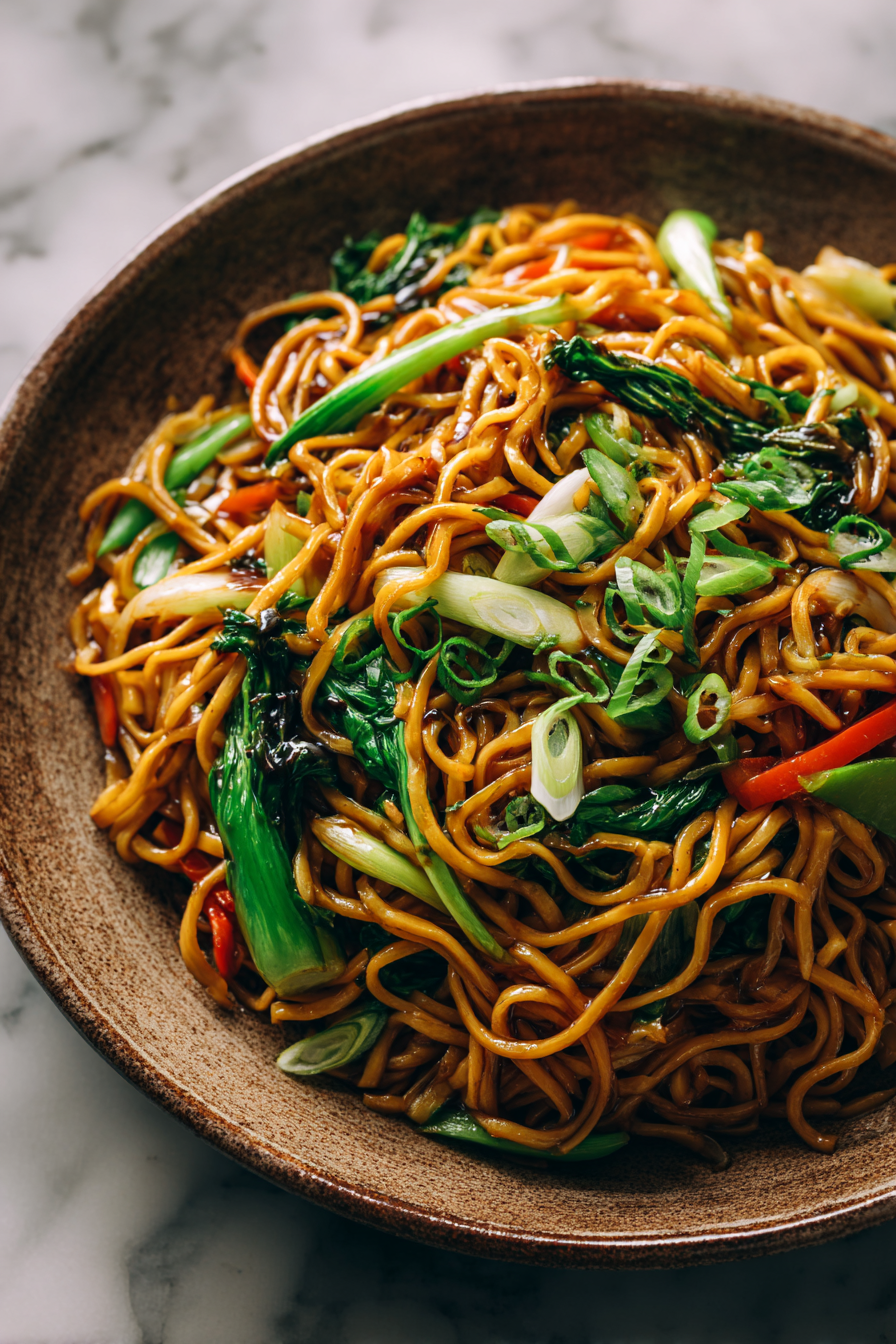
This homemade chow mein is the kind of weeknight dinner that feels both comforting and a little indulgent — crisp-tender vegetables, caramelized edges on thin-sliced meat (or tofu), and a glossy chow mein sauce that clings to every noodle. It’s not takeout, but it hits all the same satisfying notes: savory depth, a touch of sweetness, and that delightful contrast between soft noodles and a little sear.
My little family eats this like it’s a holiday. My husband will profess, with mouth full, that nothing else should ever be served on a Tuesday, and the kids have a ritual of stealing extra green onions as garnish. We started making it at home because I wanted control over the sauce — less sugar, more garlic — and now it’s our comfort food default after busy days. One winter evening, when a snowstorm canceled plans, we turned a pantry clear-out into a noodle night and ended up laughing over our mismatched chopsticks while riffing on the sauce; it’s become part of our household rhythm ever since.
Why You’ll Love This Homemade Chow Mein with Chow Mein Sauce
– You get crisp-tender vegetables and noodles with a homemade sauce that’s richer and less cloying than many takeout versions.
– It’s endlessly adaptable — swap proteins or make it vegetarian without losing the core flavors.
– Quick to cook once everything is prepped, so it’s great for busy weeknights but impressive enough for casual dinner guests.
– The sauce is a small batch you can double and refrigerate for several meals, which makes future noodle nights even faster.
Behind the Recipe
This recipe grew from experimenting with balance: salty soy, savory oyster (or mushroom) sauce, a touch of sweetness, and aromatics like garlic and ginger. The trick is high heat and good mise en place — everything cooks so fast that if ingredients aren’t ready the texture suffers. I learned to cook noodles separately and make sure excess water is gone before tossing; that step prevents a watery sauce and limp noodles. Also, don’t underestimate finishing touches: a splash of sesame oil and a handful of scallions lift the whole dish.
Shopping Tips
– Vegetables: Look for firm carrots, crunchy cabbage, and bright green onions; bean sprouts are optional but add welcome crunch — buy them fresh and use them within a day or two.
– Protein: Choose thin-sliced chicken breast, pork tenderloin, or extra-firm tofu; if buying tofu, press it or buy a pre-pressed block for better texture.
– Grains/Pasta: Use fresh Chinese egg noodles or dried chow mein/lo mein noodles; fresh cooks fastest and crisps nicely, while dried is pantry-stable and still excellent.
– Fats & Oils: Use a neutral high-heat oil (canola, vegetable, or peanut) for stir-frying and keep a small bottle of toasted sesame oil to finish for flavor.
– Spices: Choose a low-sodium soy sauce and a good-quality oyster or vegetarian mushroom sauce; a splash of Shaoxing wine brightens the profile if you have it.
Prep Ahead Ideas
– Chop all vegetables and slice the protein the day before and store in separate airtight containers in the fridge.
– Mix the chow mein sauce in a jar and refrigerate; flavors meld and the sauce saves 10 minutes on cook day.
– Par-cook and toss noodles lightly with oil, then refrigerate on a tray for up to one day; this helps them reheat quickly and crisp in the pan.
– Store prepped ingredients in shallow containers so they’re easy to reach during the rapid cooking sequence.
Time-Saving Tricks
– Use a very large skillet or wok and high heat so ingredients sear quickly — this gives texture and flavor without long cooking.
– Buy pre-shredded cabbage or matchstick carrots if you’re short on time; they’re great here and cut prep by half.
– Keep a jar of the sauce on hand; it takes longer to stir than to clumsily mix on the fly, so premade sauce keeps the cook focused.
– Mise en place: have bowls for each ingredient ready; once the pan is hot you’ll be moving fast.
Common Mistakes
– Overcrowding the pan — cook in batches if needed. Overcrowding produces steam, not sear, and makes everything soggy.
– Tossing wet noodles into the sauce — drain and pat noodles dry; excess water dilutes and cools the sauce.
– Under-seasoning early — taste and adjust the sauce before you add it to the pan (salt, acidity, or a pinch of sugar can rebalance).
– I once added all the vegetables at the same time and ended up with limp green beans and overcooked scallions; fix it by adding vegetables in order of cook time and saving delicate items (bean sprouts, scallions) for the end.
– Rescue tips: if the sauce is too thin, whisk a cornstarch slurry into it and simmer briefly; if too salty, add a splash of rice vinegar or a little sweetness to balance.
What to Serve It With
Serve chow mein with simple sides that contrast texture and temperature: steamed or sautéed bok choy, a crisp cucumber salad with rice vinegar, or a few pan-fried dumplings. Hot tea or a light lager complements the savory sauce well.
Tips & Mistakes
– Master the heat: a screaming-hot pan yields the best sear; cool pans give you steamed vegetables.
– Keep delicate garnishes off the heat until the end (scallions, bean sprouts, sesame seeds) so they retain color and texture.
– Don’t skimp on the finishing oil — a small drizzle of sesame oil at the end makes the aroma sing.
Storage Tips
Store in airtight containers in the fridge. It reheats beautifully, but if you sneak a bite cold straight from the container, it still works.
– Refrigerate up to 3–4 days; reheat in a hot skillet with a splash of oil to revive crispness, or microwave with a tablespoon of water and stir halfway through.
Variations and Substitutions
– Soy substitutions: Tamari or coconut aminos work for gluten-free — adjust saltiness to taste.
– Protein swaps: Shrimp, pork, beef, or tempeh all adapt well; cook times vary, so add seafood last.
– Vegetarian/vegan option: Omit oyster sauce and use a mushroom-based or hoisin-plus-mushroom sauce for depth.
– Noodle choices: Rice noodles make a lighter version but won’t crisp the same; sometimes the classic egg noodle is worth holding onto for texture and flavor.
Write me the frequently asked questions and answers Homemade Chow Mein with Chow Mein Sauce in the same way as the example below.