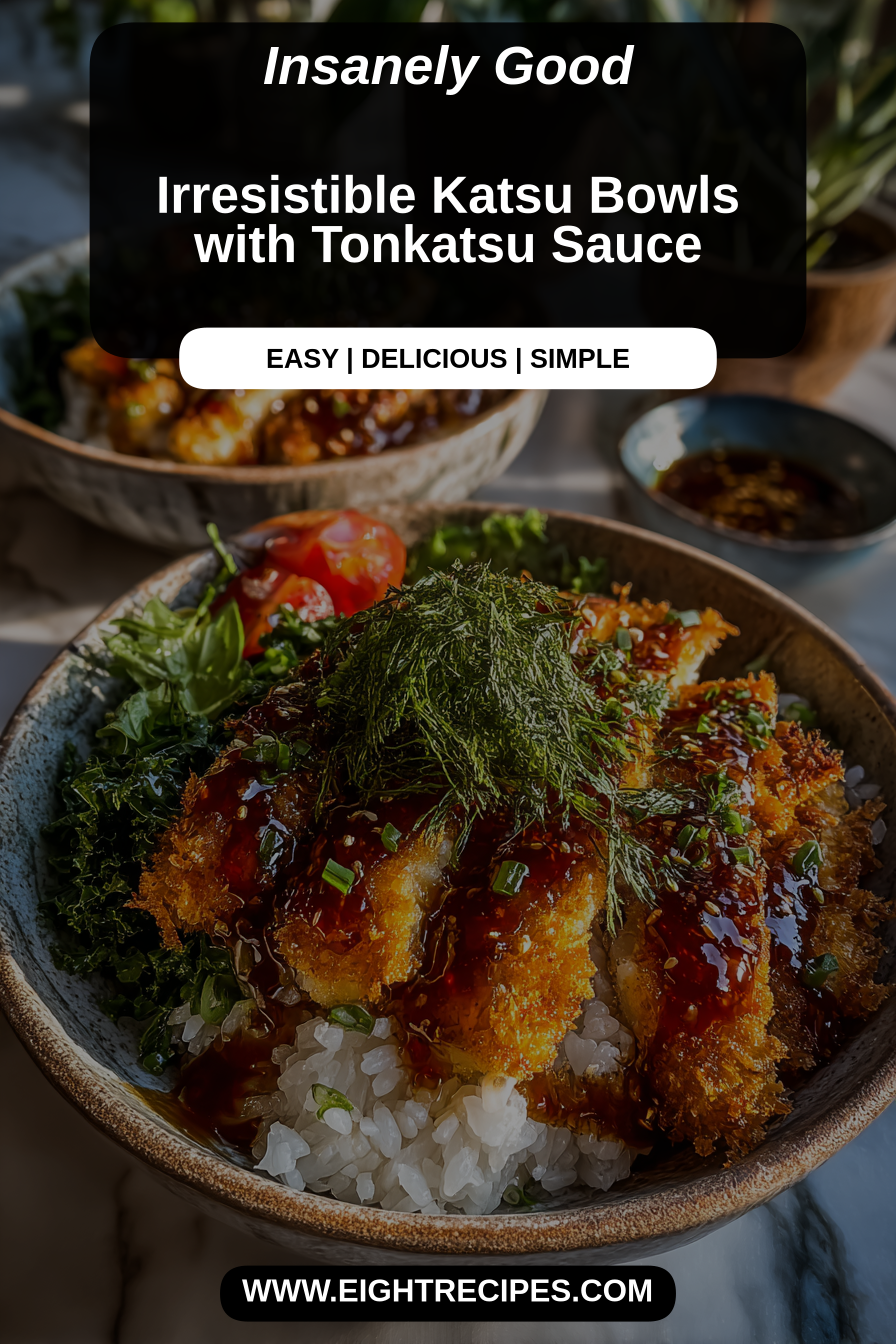
Irresistible Katsu Bowls with Tonkatsu Sauce
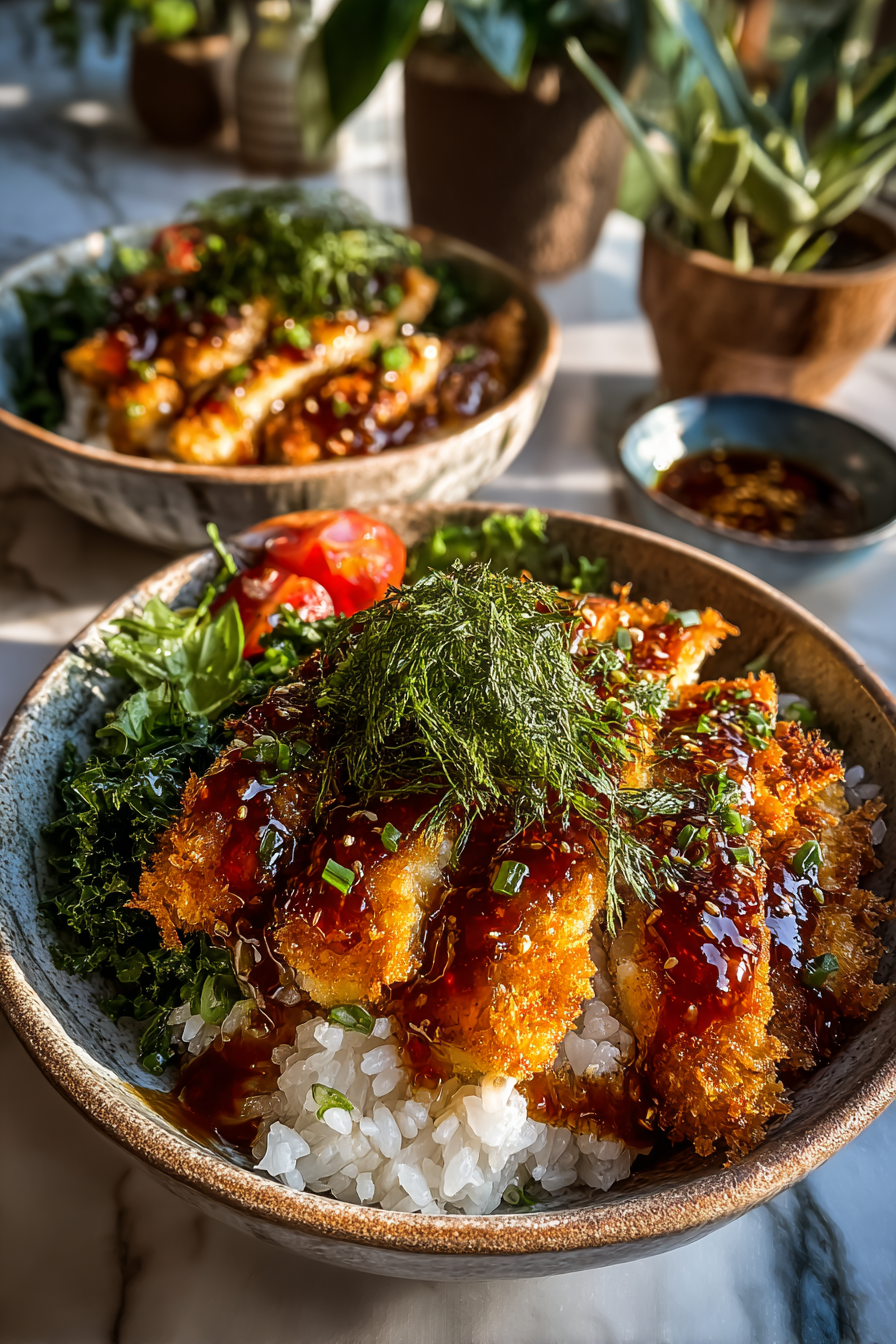
These Irresistible Katsu Bowls with Tonkatsu Sauce are a true testament to the joy of Japanese comfort food, bringing together the perfect harmony of crispy, golden-brown pork cutlets, fluffy rice, and a drizzle of that iconic tangy-sweet tonkatsu sauce. It’s a dish that feels incredibly special and satisfying, yet is surprisingly approachable to create in your own kitchen, offering a delightful escape to the bustling streets of Japan without ever leaving home. Prepare yourself for a meal that’s rich in flavor, delightful in texture, and utterly unforgettable.
My husband, bless his heart, is a creature of habit when it comes to his favorite dishes. For years, our Friday night rotation included a handful of tried-and-true recipes, but katsu bowls were never one of them. Then, during a trip to Vancouver, we stumbled into a small, bustling Japanese eatery, and he ordered the tonkatsu on a whim. The moment he took his first bite, his eyes widened. The crunch, the succulent pork, the rich, savory sauce – it was love at first bite. He spent the rest of the meal declaring it the “best thing he’d ever eaten.” Naturally, I took that as a challenge. It took a few attempts to perfect the breading and the homemade sauce, but now, a batch of Irresistible Katsu Bowls with Tonkatsu Sauce is a regular request, usually accompanied by a nostalgic smile and a story about that Vancouver trip. It’s become our special “fancy comfort food” that always brings joy to our table.
Why You’ll Love This Irresistible Katsu Bowls with Tonkatsu Sauce
* It’s the ultimate comfort food, marrying crispy, juicy pork with tender rice and a rich, complex sauce that hits all the right notes.
* The textures are simply divine: the satisfying crunch of the panko crust, the tender bite of the pork, and the softness of the rice create a truly dynamic eating experience.
* While it feels special enough for a weekend meal, the process is surprisingly approachable, making it a fantastic addition to your weeknight repertoire once you’ve made it a couple of times.
* The homemade tonkatsu sauce elevates the entire dish, allowing you to customize the perfect balance of sweet, tangy, and savory flavors that you just can’t get from a bottle.
* It’s a crowd-pleaser that appeals to a wide range of palates, even picky eaters, making it ideal for family dinners or entertaining friends.
Behind the Recipe
Making katsu at home might seem a little intimidating at first, but it’s truly a rewarding experience, and you learn so much about simple frying techniques along the way. What I’ve found over the years is that the magic really lies in a few key details. Don’t rush the breading process; making sure each piece of pork is well-coated in flour, egg, and then pressed firmly into the panko ensures that beautiful, shatteringly crisp crust. Another common tripping point can be the oil temperature—too low, and your katsu will be greasy; too high, and the outside burns before the inside cooks through. A simple thermometer can be your best friend here, or a test piece of panko will tell you if it’s ready. For me, the little touch that truly makes these bowls shine is shredding the cabbage super thinly—it adds a lightness and freshness that perfectly balances the richness of the fried pork and sauce, making every bite feel complete. And while store-bought tonkatsu sauce is fine in a pinch, taking a few minutes to whisk together your own truly makes a difference in depth of flavor.
Shopping Tips
– Protein: Look for thin-cut boneless pork loin cutlets, or ask your butcher to butterfly a thicker loin and then pound it gently to about 1/2-inch thickness. This ensures even cooking.
– Grains: Short-grain Japanese rice is ideal for its sticky texture, which is perfect for bowls. If you can’t find it, medium-grain white rice is a good alternative.
– Fats & Oils: Opt for a neutral oil with a high smoke point for frying, like canola, vegetable, or peanut oil. You’ll need enough to submerge the cutlets halfway.
– Specialty Item: Panko breadcrumbs are non-negotiable for that signature crispy, airy crust. They’re lighter and flakier than regular breadcrumbs and make all the difference.
– Vegetables: A head of green cabbage, crisp and fresh, is essential for the accompanying slaw. Choose one that feels heavy for its size.
– Spices: While simple, good quality salt and freshly ground black pepper for seasoning the pork before breading are key to building flavor from the inside out.
Prep Ahead Ideas
You can definitely get a head start on these bowls! The pork cutlets can be pounded thin, seasoned, and even breaded up to a day in advance. Arrange the breaded cutlets on a wire rack set over a baking sheet, cover loosely with plastic wrap, and refrigerate. This even helps the breading adhere better. The ingredients for the tonkatsu sauce can be measured out and whisked together, then stored in an airtight container in the fridge. You can also shred your cabbage and keep it in a sealed bag with a damp paper towel to maintain freshness. Having these components ready to go means minimal fuss when it’s time to cook, making a busy weeknight feel much more relaxed.
Time-Saving Tricks
If you’re short on time, don’t hesitate to buy pre-pounded pork cutlets from the butcher, or opt for thinner-cut pork chops to begin with. While making tonkatsu sauce from scratch is wonderful, a good quality store-bought version can save precious minutes without completely sacrificing flavor—just taste and adjust with a squeeze of lemon or a pinch of sugar if needed. For the rice, use a rice cooker if you have one; it’s a hands-off way to get perfectly cooked rice every time. And when frying, ensure your oil is at the right temperature from the start to avoid having to adjust mid-cook, which saves both time and potential greasy results. However, one place not to rush is resting the fried katsu for a few minutes before slicing; this allows the juices to redistribute, ensuring tender, moist pork.
Common Mistakes
One of the most frequent pitfalls I see with katsu is either under-seasoning the pork itself or not seasoning *each layer* of the breading process. Make sure to generously season the pork cutlets with salt and pepper before they even touch the flour. Another common mistake is overcrowding the pan when frying; this drops the oil temperature too much, leading to soggy katsu. Fry in batches if necessary, giving each cutlet plenty of space. And for the love of crispy katsu, do not put your freshly fried cutlets directly onto a plate to cool; always use a wire rack so air can circulate, preventing the bottom from steaming and becoming soft. I’ve definitely made the mistake of putting katsu on paper towels directly, only to find the underside a bit less crisp. A wire rack is your best friend here! If your katsu does come out a bit less crispy than desired, a quick flash in a hot oven (around 375°F/190°C) for 5-7 minutes can sometimes help revive it.
What to Serve It With
These Irresistible Katsu Bowls with Tonkatsu Sauce are pretty complete on their own, but they’re always excellent paired with a simple bowl of miso soup and a crisp, refreshing cucumber salad. A sprinkle of toasted sesame seeds over the rice and katsu adds a lovely texture and nutty flavor, and a side of pickled ginger (gari) or quick-pickled cucumbers can cut through the richness beautifully. For a touch of green, a simple side of steamed edamame or a small green salad with a light ginger dressing would be perfect.
Tips & Mistakes
Storage Tips
Store in airtight containers in the fridge. It reheats beautifully, but if you sneak a bite cold straight from the container, it still works.
Variations and Substitutions
While pork loin is traditional for tonkatsu, chicken breast or thigh can be used to make chicken katsu, offering a slightly different flavor profile that’s equally delicious. For a gluten-free version, simply use gluten-free panko breadcrumbs and a tamari-based tonkatsu sauce (or ensure your store-bought sauce is GF). If you don’t have all the ingredients for a homemade tonkatsu sauce, a blend of ketchup, Worcestershire sauce, and a touch of soy sauce and sugar can get you pretty close, though the classic version is truly worth the effort for its depth. You could also experiment with adding a dash of hot sauce to your tonkatsu sauce for a subtle kick. As for the rice, while short-grain is preferred, any white rice will work in a pinch. The classic preparation is always my first recommendation, but these small tweaks allow for delicious flexibility.