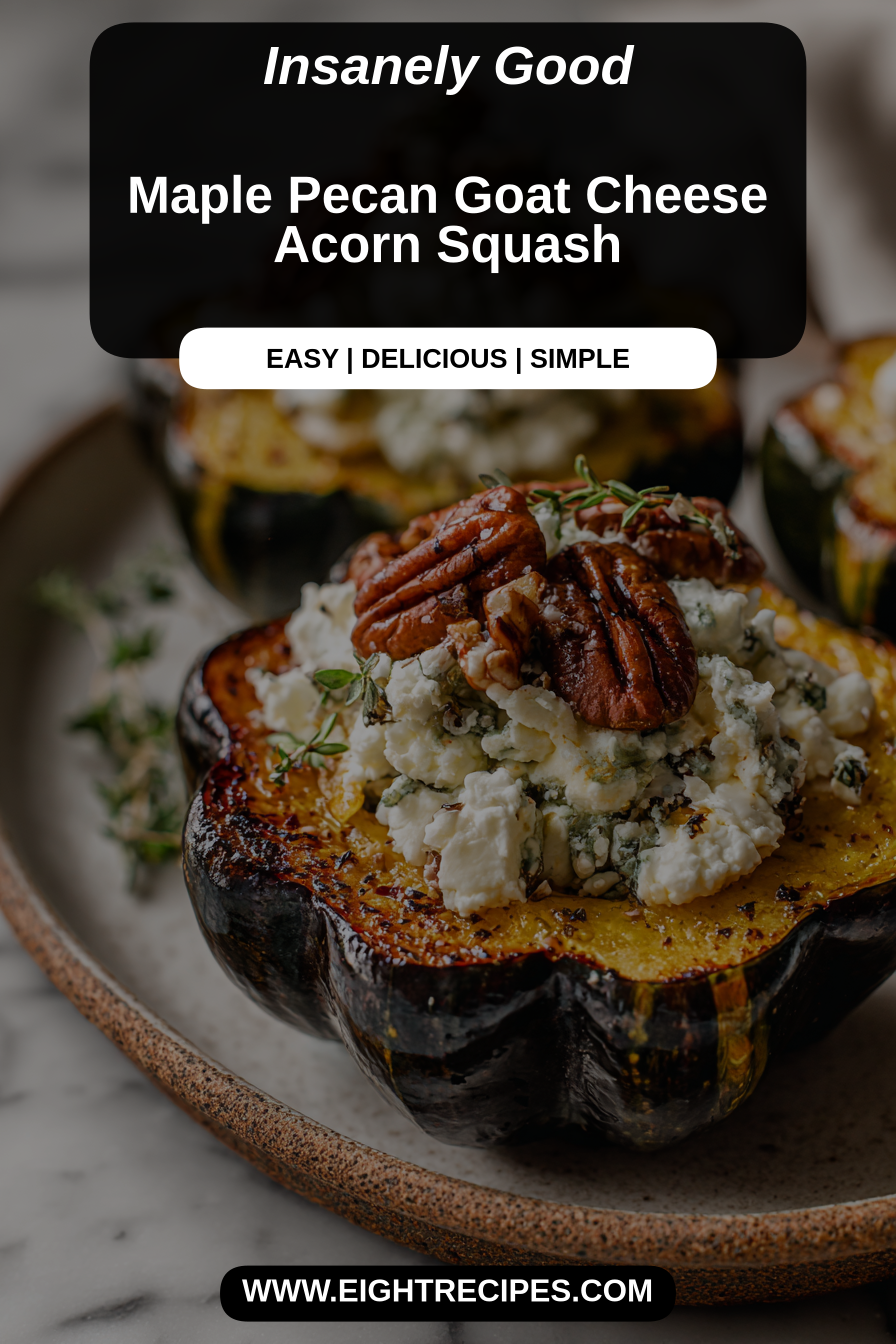
Maple Pecan Goat Cheese Acorn Squash
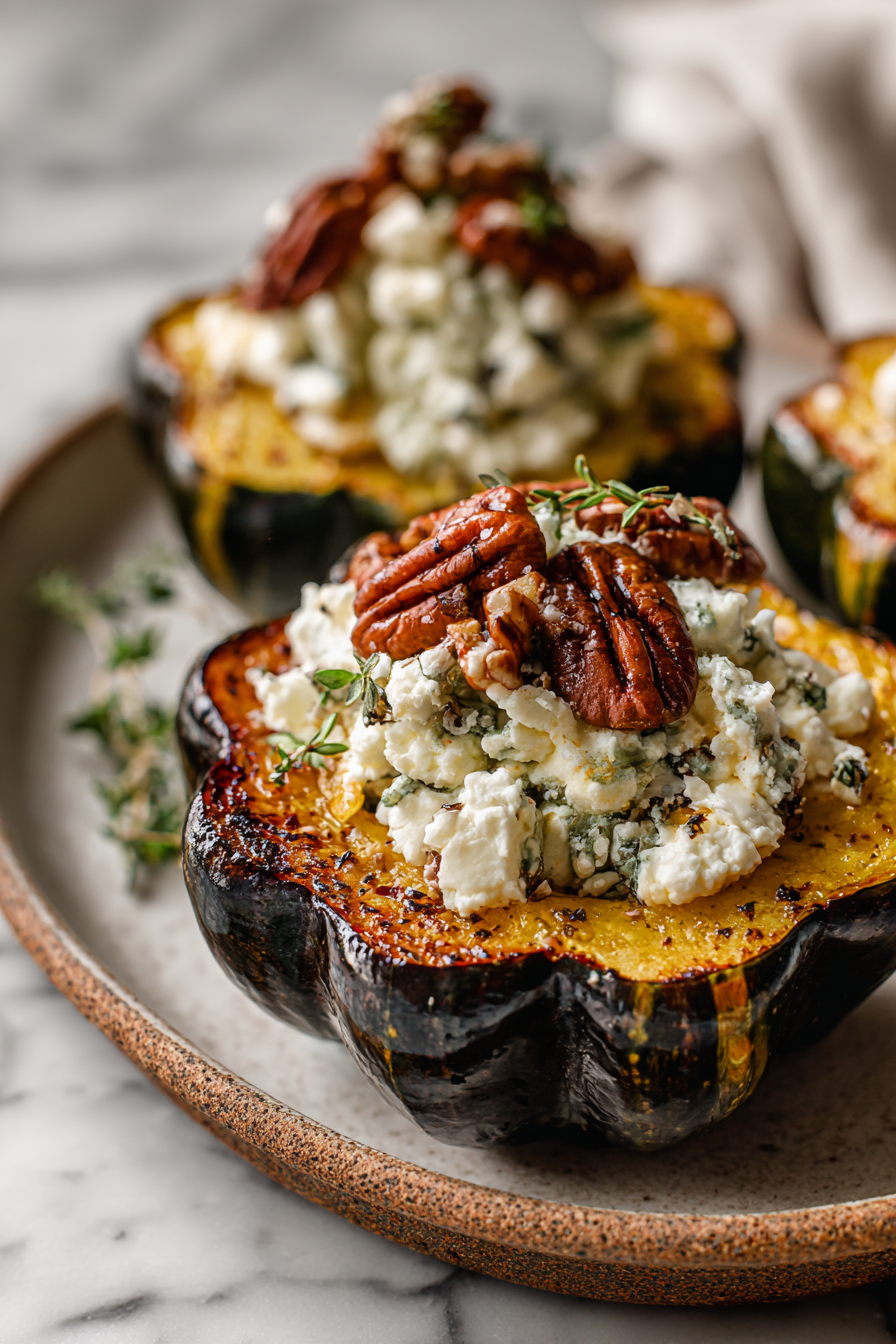
This time of year, as the leaves begin to turn and a crispness enters the air, my kitchen starts to lean into comfort. This Maple Pecan Goat Cheese Acorn Squash is a perfect example of that shift – it’s a dish that takes the humble acorn squash and elevates it into something truly special. With its sweet-and-savory profile, creamy goat cheese, and crunchy, caramelized pecans, it’s a stunning side that feels both indulgent and wholesome. It brings warmth, beautiful colors, and an incredible aroma to any meal, making it an absolute must-try for autumn entertaining or a cozy weeknight dinner.
My husband, bless his heart, isn’t always the most adventurous eater, especially when it comes to vegetables beyond the usual suspects. But there was something about the first time I made this acorn squash that just clicked for him. We had friends over for an early fall dinner, and I had artfully arranged the squash halves, glistening with maple and sprinkled with pecans and goat cheese, on a platter. He took a hesitant bite, and his eyes lit up. “This is *good*,” he said, a note of genuine surprise in his voice. From then on, it became his special request, especially around the holidays. Now, when I pull the roasting pan from the oven, filling the house with that irresistible maple-pecan scent, he’ll wander in, fork in hand, ready for a taste. It’s become a comforting fixture, a little slice of fall we both look forward to sharing.
Why You’ll Love This Maple Pecan Goat Cheese Acorn Squash
You’ll fall head over heels for this Maple Pecan Goat Cheese Acorn Squash because it strikes that perfect balance of flavors and textures, blending the natural sweetness of roasted squash and maple syrup with the tangy creaminess of goat cheese and the satisfying crunch of pecans. It’s incredibly easy to prepare, requiring minimal fuss for an impressive presentation that looks like you spent hours in the kitchen. Plus, it’s a wonderfully versatile dish, equally at home as a comforting weeknight side or a show-stopping addition to your holiday table, embracing the best of seasonal produce with grace and deliciousness.
Behind the Recipe
Making this acorn squash has taught me a few valuable lessons over the years. The biggest one is patience with your squash; don’t rush the roasting! Undercooked squash is tough and unappealing. You want it fork-tender, with those gorgeous caramelized edges that hint at deep flavor. I’ve also learned that the quality of your maple syrup truly matters here – a dark, robust grade will give you the most depth. A common pitfall can be burning the pecans; they toast quickly, so I often add them in the last 10-15 minutes of roasting, or even toast them separately and sprinkle them on at the very end. For those little touches that make it shine, a sprinkle of fresh thyme or a tiny pinch of sea salt right before serving really elevates the flavors, bringing out that sweet-and-savory harmony.
Shopping Tips
– Produce: Choose acorn squash that feels heavy for its size and has a deep, consistent color without any soft spots or blemishes. A little bit of orange blush means it’s extra ripe and sweet.
– Sweeteners: Opt for real maple syrup, preferably a darker grade A or B, as its rich flavor truly makes a difference here compared to pancake syrup.
– Cheese: Look for a fresh log of goat cheese (chèvre). Its bright, tangy flavor and creamy texture are essential to balancing the sweetness of the squash.
– Nuts & Seeds: Raw pecan halves or pieces are best so you can toast them fresh in the oven, ensuring maximum crunch and flavor.
– Fats & Oils: A good quality extra virgin olive oil will help caramelize the squash beautifully and add a subtle richness.
Prep Ahead Ideas
You can easily get a head start on this dish by halving and deseeding your acorn squash the day before, then storing the halves cut-side down in an airtight container in the fridge. You can also measure out your maple syrup and chop your pecans, keeping them in separate small containers. Doing this means on a busy weeknight, all you’ll need to do is drizzle, sprinkle, and roast, cutting down significantly on active prep time.
Time-Saving Tricks
The biggest time-saver here is to preheat your oven while you’re prepping the squash. By the time you’ve halved it, scooped out the seeds, and seasoned it, the oven will be ready to go. Lining your baking sheet with parchment paper is also a lifesaver for easy cleanup, which always feels like a time-saving trick in itself! While it’s tempting to pile everything onto one small sheet, giving the squash halves a little space on the pan allows them to roast rather than steam, ensuring better caramelization and a more delicious result.
Common Mistakes
One of the most frequent pitfalls I see is undercooking the squash. A tough, raw squash simply won’t have that melt-in-your-mouth texture, so make sure a fork slides in easily before pulling it from the oven. Another common error is burning the pecans; they have a high-fat content and can go from perfectly toasted to burnt in moments. I once left them in too long and had to pick out every scorched pecan – now, I always add them for just the last 10-15 minutes or toast them separately on the stovetop. If your squash comes out a little bland, a generous pinch of flaky sea salt at the end can make all the difference, enhancing both the sweet and savory notes.
What to Serve It With
This Maple Pecan Goat Cheese Acorn Squash is incredibly versatile. It makes a stunning side dish for roasted chicken, pork tenderloin, or a holiday turkey. For a vegetarian meal, it pairs beautifully with a hearty grain like quinoa or farro, or alongside a simple green salad with a light vinaigrette. It’s also delicious as a light main course if you add some extra protein like chickpeas or lentils.
Storage Tips
Store in airtight containers in the fridge. It reheats beautifully, but if you sneak a bite cold straight from the container, it still works.
Variations and Substitutions
While the classic combination is hard to beat, there are some lovely variations. If you can’t find acorn squash, butternut or delicata squash work wonderfully, just adjust roasting times slightly. For a different nut profile, walnuts or even hazelnuts would be delicious instead of pecans. If goat cheese isn’t your favorite, a crumbled feta offers a similar salty tang, or a creamy dollop of mascarpone could provide a richer counterpoint. You could also introduce a touch of warmth with a sprinkle of cinnamon or nutmeg alongside the maple syrup. For a vegan version, swap the goat cheese for a plant-based feta or a cashew cream, and ensure your maple syrup is pure.