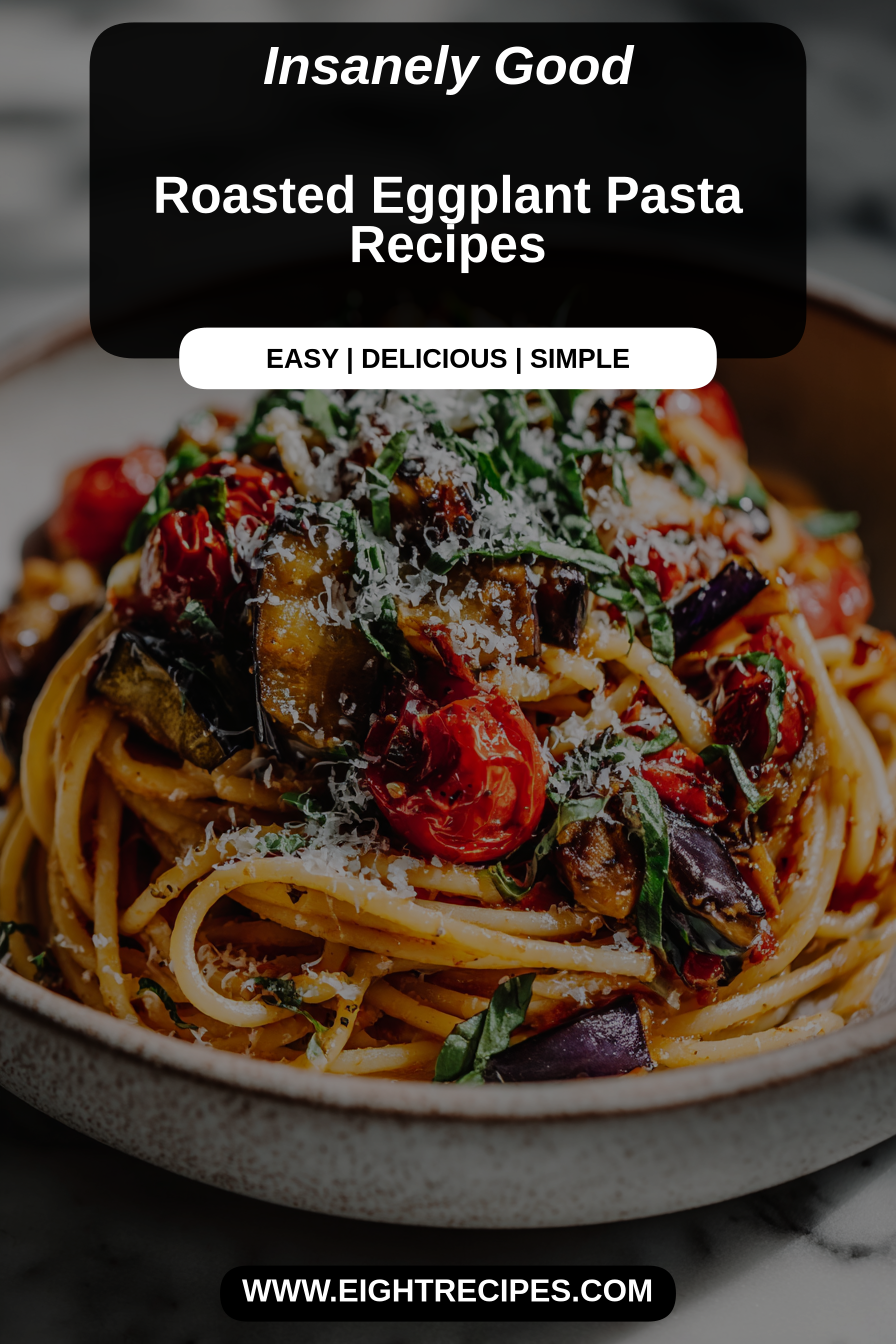
Roasted Eggplant Pasta Recipes
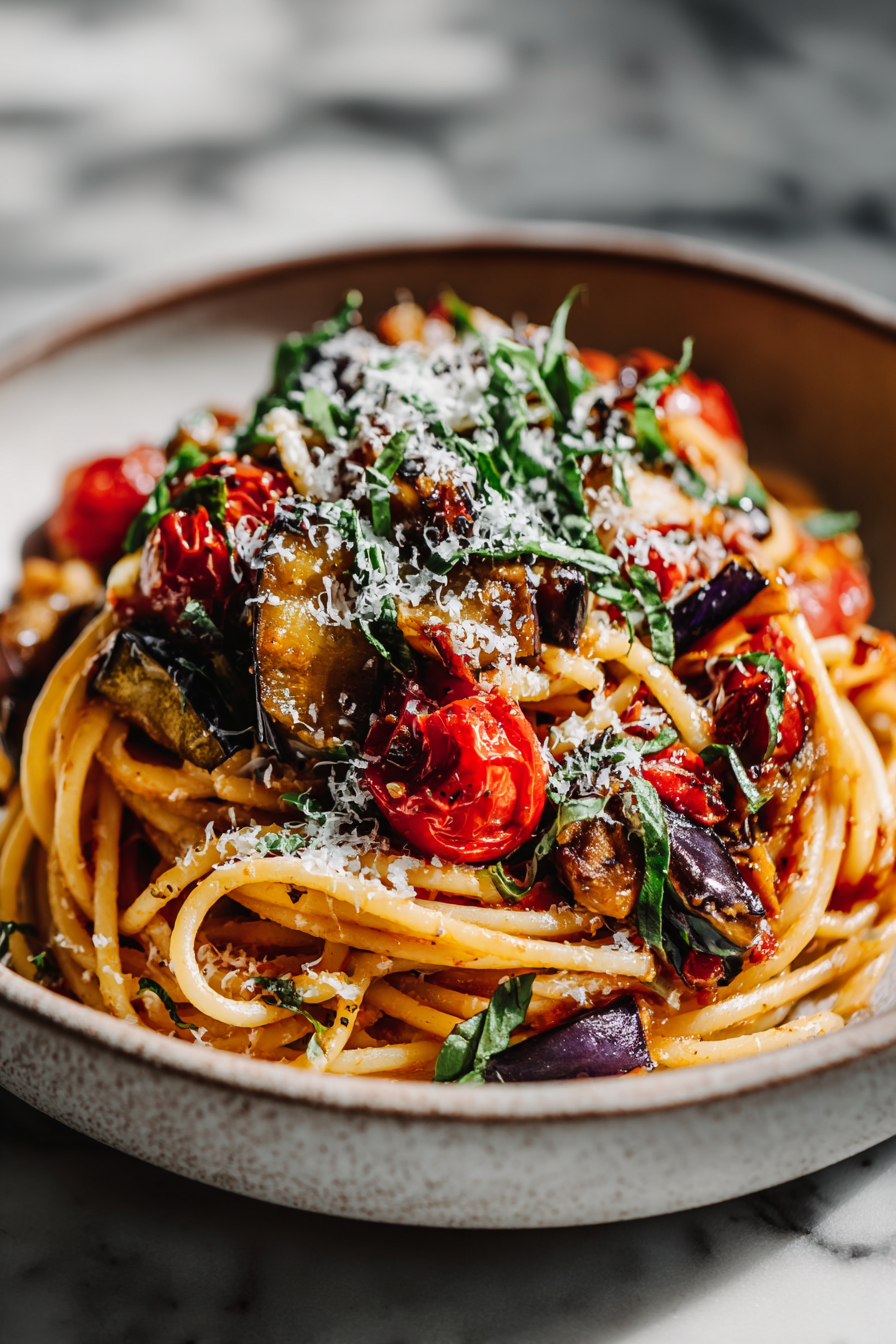
This roasted eggplant pasta isn’t just a meal; it’s a celebration of simple ingredients transformed into something truly special. Imagine tender, caramelized cubes of eggplant, smoky and sweet from the oven, tossed with al dente pasta in a vibrant, garlicky tomato sauce. It’s comforting, deeply flavorful, and surprisingly elegant—the kind of dish that makes you feel like you’re dining in a sun-drenched Italian trattoria, even on a Tuesday night.
My husband, Mark, used to be a little skeptical of eggplant. He’d politely eat it, but it was never his first choice. That all changed the first time I made this particular roasted eggplant pasta. I remember him taking a hesitant forkful, then his eyes widening. “Wait, this is… incredible!” he exclaimed, reaching for another serving almost immediately. Now, it’s a dish he requests regularly, especially after a long week. It’s become our go-to for cozy nights in, a dish that feels both indulgent and wholesome, and it always fills our kitchen with the most wonderful aromas.
Why You’ll Love This Roasted Eggplant Pasta Recipes
* It’s a masterclass in flavor transformation: Roasting the eggplant brings out an incredible sweetness and a delicate smokiness that simmered eggplant just can’t achieve. It’s what truly makes this dish sing.
* The textures are divine: You get the creamy, melting texture of perfectly roasted eggplant balanced by the satisfying chew of al dente pasta, all coated in a rich, slightly chunky tomato sauce.
* It’s surprisingly versatile and satisfying: While it feels hearty and complete on its own, it’s also wonderfully adaptable. Plus, it’s a fantastic way to enjoy a substantial, vegetable-forward meal that everyone at the table will love.
* Perfect for meal prep: This pasta actually tastes even better the next day, as the flavors meld and deepen, making it an ideal candidate for leftovers or planning ahead.
Behind the Recipe
This recipe really hinges on how you treat the eggplant. My biggest discovery making this at home was realizing that patience with the roasting process pays off exponentially. You’re not just cooking the eggplant; you’re coaxing out its natural sugars and encouraging caramelization. Don’t crowd the baking sheet, and let those edges get a little bit golden and crisp. It’s also tempting to rush the sauce, but letting the garlic and a pinch of red pepper flakes gently infuse the olive oil at the start sets a beautiful aromatic foundation. It’s the little moments, like watching the tomatoes break down and thicken, that build layers of flavor without needing a dozen ingredients. Don’t worry about exact measurements here; the spirit is to build a rich, comforting sauce that beautifully complements the star ingredient.
Shopping Tips
– Vegetables: Choose eggplants that are firm, heavy for their size, and have smooth, shiny skin. Avoid any with soft spots or blemishes.
– Fresh Herbs: Look for bright green, perky basil leaves without any wilting or dark spots. Fresh basil truly elevates the final dish.
– Grains/Pasta: Opt for a good quality bronze-die pasta, if available. Its rougher texture holds onto the sauce much better than smoother varieties.
– Canned Goods: Invest in high-quality canned crushed or diced tomatoes, preferably San Marzano, for a sauce with superb depth and natural sweetness.
– Fats & Oils: A flavorful extra virgin olive oil is crucial here, as it’s a primary flavor component in both roasting and the sauce.
– Cheese: Freshly grated Parmesan or Pecorino Romano is a game-changer; avoid pre-shredded varieties which often lack flavor and texture.
Prep Ahead Ideas
– You can chop the eggplant and garlic the day before. Store the eggplant cubes in an airtight container in the fridge, perhaps with a paper towel to absorb any moisture, and the minced garlic in a small sealed container.
– If you like, you can even make the tomato sauce base (without the eggplant or pasta) a day ahead and store it in the refrigerator. This allows the flavors to meld beautifully.
– Grate your cheese and pick your fresh basil leaves ahead of time. Keep the cheese in an airtight container and the basil sprigs in a glass of water on the counter, covered loosely.
Time-Saving Tricks
– While the eggplant roasts in the oven, you can simultaneously prepare your pasta water and start on the tomato sauce. This keeps your hands busy and reduces overall cooking time significantly.
– Don’t be afraid to use a good quality store-bought marinara or crushed tomatoes instead of making a sauce from scratch if you’re really pressed for time. Just be sure to enhance it with fresh garlic and herbs.
– A wide, shallow pan for the sauce will help it reduce and thicken more quickly, concentrating the flavors without a long simmer.
– When the pasta is almost done, scoop out some of that starchy cooking water to add to your sauce; it helps emulsify the sauce and makes it wonderfully silky.
Common Mistakes
– A common pitfall is under-roasting the eggplant. If it’s not tender and slightly caramelized, it can taste rubbery or even a bit bitter, rather than sweet and creamy.
– Overcrowding the baking sheet when roasting eggplant is another mistake I’ve made. It steams instead of roasts, preventing that lovely browning and tender texture. Give it space!
– Not salting the pasta water sufficiently is a missed opportunity for seasoning. The pasta itself should be flavorful, not just the sauce.
– Don’t overcook your pasta! It should be al dente, offering a pleasant bite. It will continue to cook slightly when tossed with the hot sauce.
What to Serve It With
This roasted eggplant pasta is quite hearty on its own, so I often keep accompaniments simple. A crisp, green salad with a bright vinaigrette is perfect for cutting through the richness, and a basket of crusty bread for soaking up any extra sauce is always a welcome addition. If you’re looking for a slightly more substantial meal, a light protein like grilled chicken or pan-seared scallops would also pair beautifully.
Tips & Mistakes
Beyond the common pitfalls, a crucial tip for success is to taste as you go. The flavors will evolve, especially once the eggplant is incorporated and the pasta water is added. Don’t be shy about adjusting the seasoning, adding a little more red pepper flake for a kick, or a squeeze of lemon juice for brightness. And remember, good olive oil and fresh ingredients are your best friends here; they elevate the dish from good to truly memorable. The biggest “mistake” you can make is not trusting your palate throughout the cooking process.
Storage Tips
Store in airtight containers in the fridge. It reheats beautifully, but if you sneak a bite cold straight from the container, it still works. This pasta is fantastic for meal prep, as the flavors often deepen and meld even more wonderfully overnight. I’ve found it keeps well for up to 3-4 days.
Variations and Substitutions
This recipe is very forgiving and open to interpretation! For a gluten-free option, simply swap in your favorite gluten-free pasta—just make sure it’s a good quality one that holds its texture. If you want to add some protein, crumbled Italian sausage, chickpeas, or even roasted chicken pieces would be delicious. A touch of smoked paprika can add another layer of depth, or a pinch of dried oregano for a more traditional Italian flavor profile. For a dairy-free version, simply omit the Parmesan cheese, or try a sprinkle of nutritional yeast for a cheesy umami note. Sometimes I’ll add cherry tomatoes to roast alongside the eggplant for an extra burst of fresh tomato flavor in the finished dish.