
Seafood Lasagna with Creamy Cheese Sauce
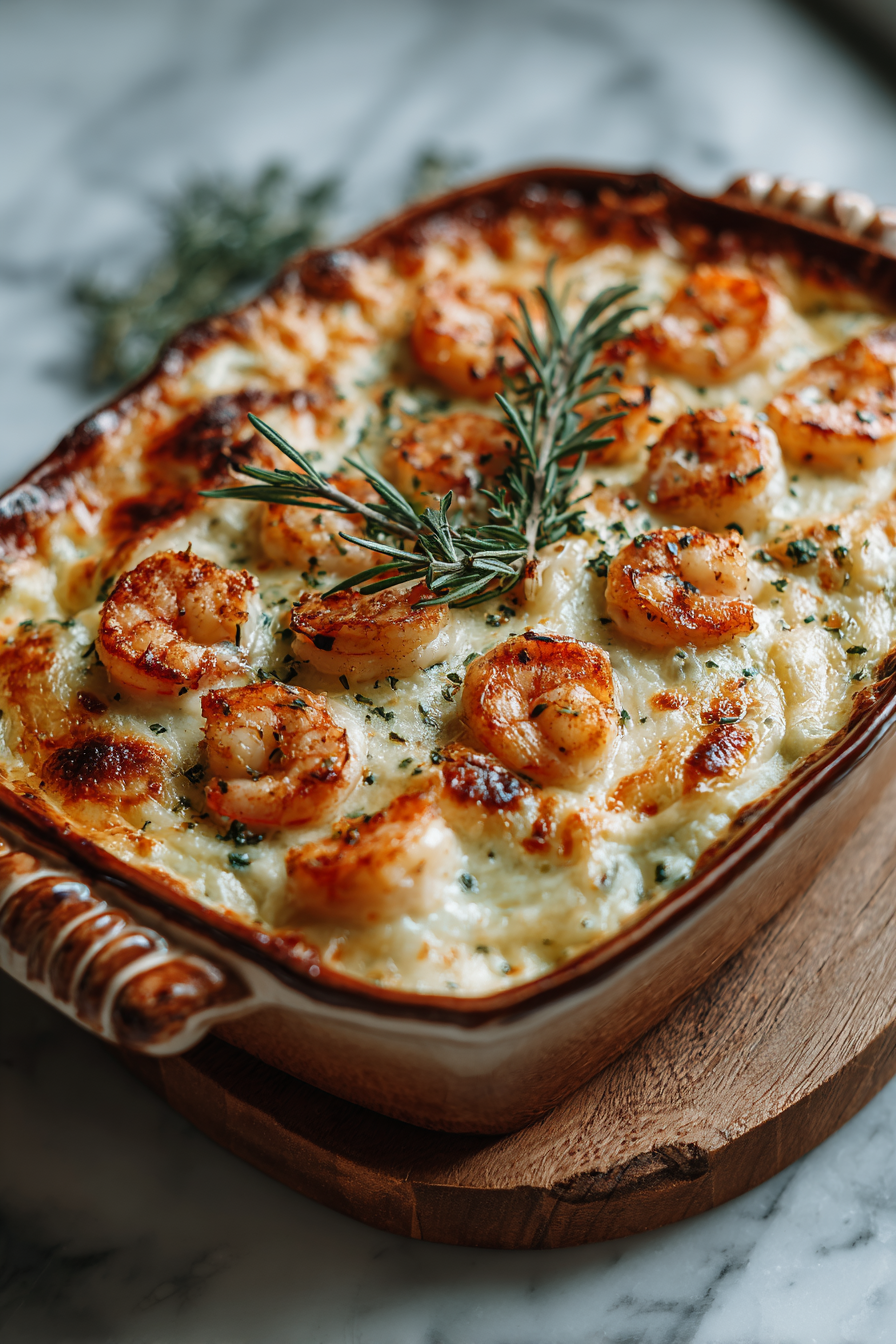
This layered seafood lasagna is my answer to nights when I want something special but not precious: tender pasta, a velvety, creamy cheese sauce, and a mix of shrimp, scallops, and crab that feels indulgent without being fussy. It’s richer than a weeknight casserole but easier than a restaurant-style seafood bake—comforting, a little luxurious, and crowd-pleasing.
My husband insists it’s our “fancy Tuesday” dinner. He’ll toast the oven while I assemble the layers, then hover by the kitchen door waiting for the first browned edges to appear. The kids started calling it “ocean lasagna,” and now it’s the dish everyone requests for small celebrations or when company drops by. It’s one of those recipes that made its way into regular rotation because it’s forgiving and makes us feel like we’ve gone out—even when we haven’t.
Why You’ll Love This Seafood Lasagna with Creamy Cheese Sauce
– Layers of tender pasta, sweet seafood, and a creamy cheese sauce that’s not overly heavy—comforting but bright.
– Versatile seafood mix: use shrimp, scallops, crab, or a frozen seafood medley depending on budget and season.
– Hands-off finishing in the oven gives you a golden, bubbly top while you set the table or pour a glass of wine.
– Makes excellent leftovers—flavors meld overnight and reheat beautifully without losing texture.
Behind the Recipe
I developed this lasagna by balancing two goals: a sauce rich enough to feel indulgent, but not so heavy that it overpowers delicate seafood. The trick is a stable, lightly thickened béchamel-style base enriched with cream cheese or mascarpone for silkiness, plus a splash of lemon to lift the flavors. People tend to overcook seafood or overload the sauce with liquid; aim for just-cooked seafood and a sauce that will thicken as it bakes. I also learned that layering in a way that distributes seafood evenly prevents one bite from being all pasta and no ocean.
Shopping Tips
– Seafood: Buy firm, fresh seafood—shrimp should be translucent and scallops dry and slightly springy. If using frozen, thaw in the fridge overnight and pat very dry.
– Cheese: Choose a good melting cheese like mozzarella for the top and a tangy ricotta or mascarpone in the layers for creaminess; freshly grated is worth it for texture.
– Dairy: Use whole milk or a combination of milk and cream for richness; avoid ultra-low-fat milks which can curdle or make the sauce thin.
– Grains/Pasta: Regular lasagna sheets work fine; no-boil noodles save a step but follow package directions and avoid too much sauce if you use them.
– Fresh Herbs: Fresh parsley and a little dill or chives brighten the seafood—buy fresh and add them at the end to preserve their flavor.
Prep Ahead Ideas
– You can make the cheese sauce a day ahead; cool, cover, and refrigerate, then gently rewarm on the stove with a splash of milk to loosen before assembling.
– Chop herbs, grate cheeses, and measure spices the day before in labeled containers so assembly is quick.
– Partially cook larger seafood (like scallops) briefly and refrigerate; finish cooking in the oven after assembly to avoid overcooking.
– Assemble the entire lasagna up to a day ahead, cover tightly, and refrigerate; add a few extra minutes to baking time when starting cold.
Time-Saving Tricks
– Use pre-shredded mozzarella for faster assembly, but mix with a little freshly grated Parmesan for better melt and flavor.
– One-pot sauce: make the béchamel/cheese sauce in the same pan you sauté aromatics in to save dishes and build flavor.
– If you’re short on time, use a store-bought seafood mix (thawed and well-drained) instead of individually portioning shrimp and scallops.
– Practice mise en place: line up noodles, cheeses, prepped seafood, and sauce so assembly becomes a quick, assembly-line task.
Common Mistakes
– Overcooking seafood: I once added raw shrimp straight into the pan and ended up with rubbery bites—cook just until opaque, because they’ll continue to cook in the oven.
– Watery sauce: Too much liquid in the sauce or from thawed seafood will make the lasagna soupy—pat seafood dry and thicken the béchamel slightly before layering.
– Over-salting: Seafood and cheeses both bring salt; taste the sauce before layering and adjust gently.
– Skipping the lemon: a little acid brightens the dish and prevents it from tasting flat.
What to Serve It With
A crisp, acidic salad (think arugula with lemon vinaigrette) and a simple green vegetable like steamed broccolini or sautéed Swiss chard are perfect partners—something bright to cut the richness. A glass of unoaked Chardonnay or a dry rosé pairs nicely, and lemon wedges at the table always vanish fast.
Tips & Mistakes
Keep seafood bites uniform in size so they cook evenly; scatter the pieces across layers rather than clustering. Resist adding too many wet ingredients—if your sauce seems loose, simmer a few extra minutes to reduce before assembling. Let the lasagna rest 10–15 minutes after baking so slices hold together and you don’t lose layers when cutting.
Storage Tips
Store in airtight containers in the fridge. It reheats beautifully, but if you sneak a bite cold straight from the container, it still works.
Variations and Substitutions
– Swap crab for flaked smoked salmon for a different smoky note, or add a handful of chopped spinach for color and a mild vegetal lift.
– For a lighter version, use a lower-fat milk and skip the heavier cream cheese—just be careful to thicken the sauce a touch longer.
– Gluten-free lasagna sheets work fine—adjust sauce thickness and baking time as needed so the layers hold.
– If you prefer a tomato note, swirl a small amount of herbed tomato sauce into the cheese sauce, but don’t overwhelm the seafood’s delicate flavor.