
Smothered Turkey Wings with Rich Gravy
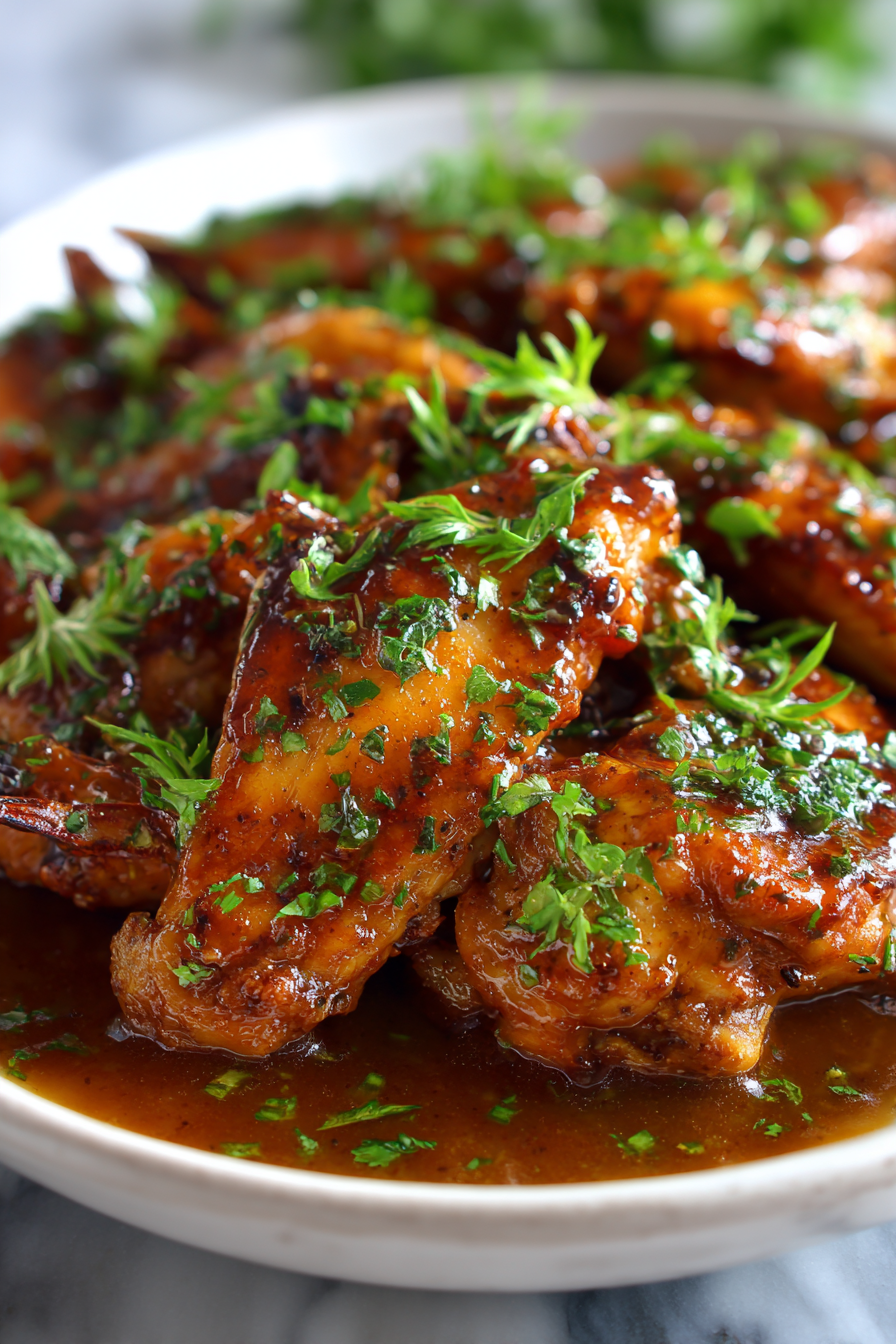
This is one of those cozy, slow-cooked dinners that feels like a hug on a plate: deeply savory turkey pieces simmered until the meat falls from the bone, all swimming in a glossy, onion-and-herb–forward gravy that’s perfect spooned over mashed potatoes or rice. It’s not fussy, but it does reward a little patience—searing for flavor, a gentle braise, and a final reduction that concentrates everything into a rich, comforting sauce.
My husband calls this our “gravy night” and will happily sit at the counter with a fork, stealing bites before the rest of us even sit down. The kids used to pick around the bones until the first time I handed them a fork and showed how the meat just pulls apart—now it’s the first dish they ask for when the weather turns cool. It’s become a staple not because it’s quick, but because it reliably feeds the family and gives us leftovers that taste even better the next day.
Why You’ll Love This Smothered Turkey Wings with Rich Gravy
– Deep, developed flavor from searing and deglazing—nothing canned-tasting here.
– Stick-to-your-ribs comfort that’s still elegant enough for company.
– Plenty of forgiving steps: braising tolerates timing shifts, so it’s great for busy evenings.
– Leftovers reheat beautifully, and the gravy improves after a day in the fridge.
Behind the Recipe
This is a braise-first, reduce-later kind of recipe. I’ve learned that the single most important thing is to get a good sear on the wings without overcrowding the pan—those browned bits are where the gravy finds its depth. Deglazing the pan (with stock, a splash of vinegar, or a little Worcestershire) pulls up those fond flavors and keeps the sauce from tasting flat. People often over-salt too early; the long reduction concentrates saltiness, so I always wait to finish-season until the end. Lastly, don’t be afraid to skim excess fat or to thicken the sauce at the end if it’s too thin—a short roux or cornstarch slurry will fix it fast.
Shopping Tips
– Protein: Look for meaty, bone-in turkey wings; the bone adds flavor and richness to the braise. If wings are large, ask the butcher to split them so they cook evenly.
– Vegetables: Choose firm onions, carrots, and celery for your mirepoix—avoid soft or sprouted onions that won’t caramelize well.
– Spices: Freshly ground black pepper and a good paprika (smoked if you like a smoky note) make a big difference; check the roast date on ground spices when possible.
– Canned Goods: Use low-sodium chicken or turkey stock so you can control seasoning; a boxed stock is fine in a pinch, but avoid overly salty broths.
– Fresh Herbs: Fresh thyme and parsley brighten the gravy at the end—buy whole sprigs rather than pre-chopped jars for the best aroma.
Prep Ahead Ideas
– Season and refrigerate the wings up to 24 hours ahead to let flavors penetrate; keep them covered in a shallow container.
– Chop the mirepoix (onion, carrot, celery) a day ahead and store in a sealed container in the fridge to save 10–15 minutes.
– Make or reduce stock a day or two ahead and chill; the fat will solidify on top for easy skimming.
– If you like, make a roux ahead and keep it refrigerated—stirring warm stock into a cool roux quickly thickens the gravy when you’re ready.
Time-Saving Tricks
– Use a single heavy pot (Dutch oven) to sear and braise; fewer dishes and the retained heat helps with even cooking.
– Swap homemade stock for a good-quality low-sodium store-bought version to shave prep time without sacrificing much flavor.
– Pre-cut mirepoix or pre-minced garlic from the refrigerated section is an easy, acceptable shortcut on busy nights.
– While braising is hands-off, give the sauce a final simmer uncovered to reduce it quickly rather than waiting for a long slow reduction.
Common Mistakes
– Not searing the wings: I did this once and ended up with a pale, one-dimensional gravy—sear in batches for color and flavor.
– Over-salting at the start: the liquid reduces and concentrates, so taste and finish-season at the end.
– Adding flour directly without cooking it: raw flour taste can ruin the gravy; cook a quick roux or make a slurry to avoid that.
– Cooking at too high a temperature: aggressive heat can toughen the meat—aim for a gentle simmer or low oven braise.
– Forgetting to skim fat: if the gravy looks greasy, let it sit briefly and spoon off excess fat, or chill slightly and remove solidified fat.
What to Serve It With
– Creamy mashed potatoes or buttery polenta to soak up the gravy.
– Steamed rice or buttery egg noodles for a simple, satisfying plate.
– Collard greens, braised cabbage, or roasted root vegetables for a green or roasted-veg counterpoint.
– Warm cornbread or crusty bread to mop up every last drop.
Tips & Mistakes
– Taste as you go, especially after reduction—small adjustments (acid, salt, butter) at the end transform the gravy.
– If the sauce is too thin, whisk a little cornstarch with cold water and stir it in, simmering briefly until glossy.
– If it turns out too salty, a peeled potato simmered in the gravy can absorb some salt (remove before serving) or add unsalted stock to dilute.
Storage Tips
Store in airtight containers in the fridge. It reheats beautifully, but if you sneak a bite cold straight from the container, it still works. For longer storage, freeze portions in freezer-safe containers up to 3 months; thaw overnight in the fridge before reheating gently.
Variations and Substitutions
– Chicken thighs work well if turkey wings aren’t available; adjust braise time since thighs often cook faster.
– For a smoky edge, use smoked paprika or add a splash of liquid smoke very sparingly.
– Make it gluten-free by using cornstarch or arrowroot slurry instead of flour for thickening.
– Swap some stock for a dry white wine or a tablespoon of balsamic vinegar near the end to lift the flavors; avoid overpowering the gravy with too much acid.