
Sweet Brioche Donuts with Caramel Glaze
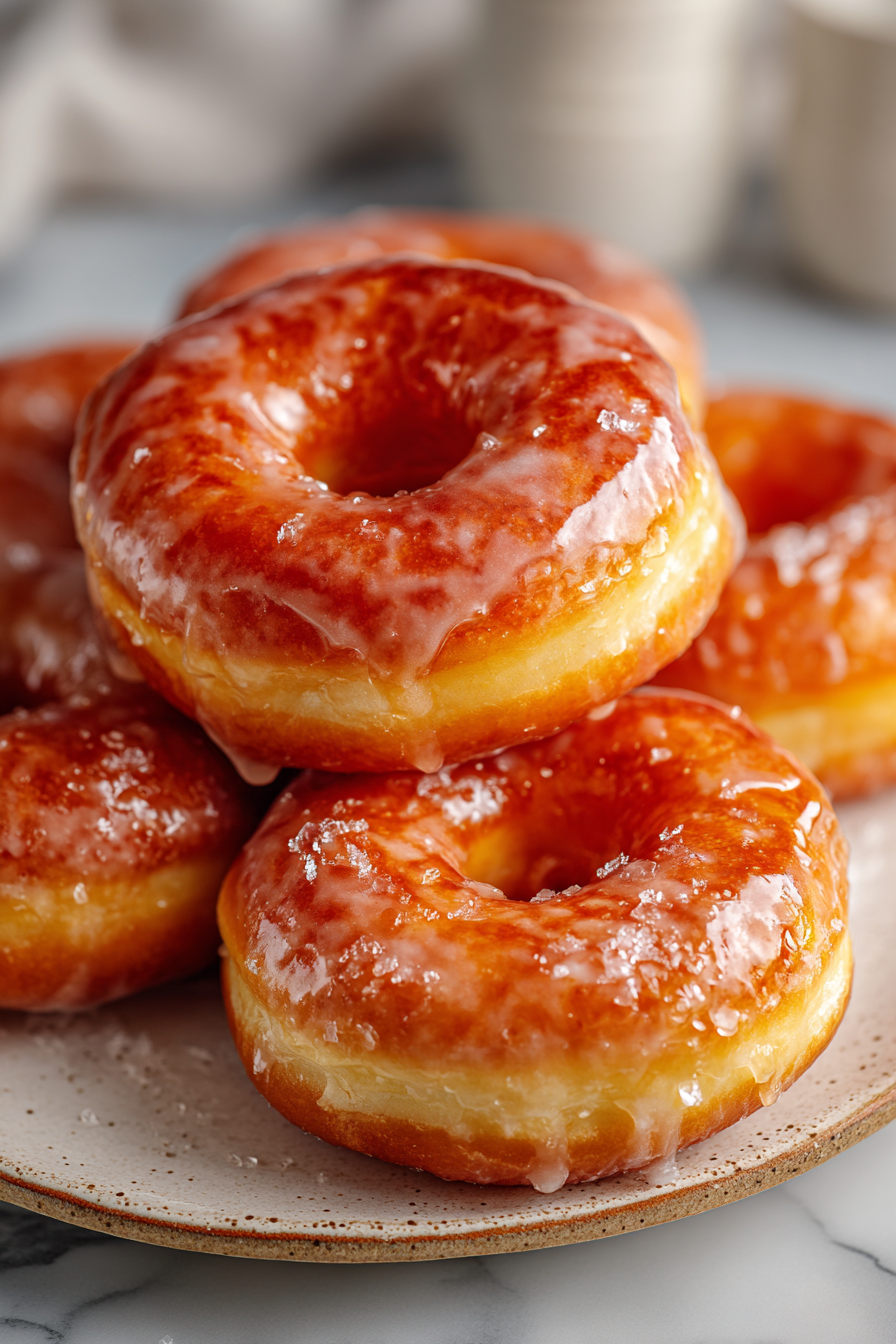
These brioche-style donuts are a little bit pastry, a little bit doughnut, and a whole lot of comfort—enriched, tender dough that crisps at the edges and a glossy caramel glaze that sets into a slightly crackly, buttery top. They feel special enough for a weekend breakfast but approachable enough to make when you’re craving something homemade and a touch indulgent. If you love a yeasted dough with custardy notes and a caramel that isn’t cloying, these are worth the time.
My husband claims they’re my best culinary flex—he’ll stroll into the kitchen on Saturday mornings, hair still mussed, and hover until I hand him one warm from the cooling rack. Our kids have learned to break the “no second donut” rule by offering to do the dishes, which says a lot about their power as negotiators. The first batch I made collapsed a bit because I hurried the proofing; since then it’s become our weekend ritual to let the dough rest and talk about plans for the day while the house fills with the smell of butter and sugar.
Why You’ll Love This Sweet Brioche Donuts with Caramel Glaze
– The dough is richly buttery and egg-forward, so the crumb is soft and pillowy rather than dry like some fried doughs.
– The caramel glaze is balanced—deep, buttery flavor without being overly sweet—and it sets with a delicate crackle.
– You can make the dough ahead and finish the donuts the next day, which makes weekend timing flexible.
– They’re endlessly adaptable: roll them in spiced sugar, top with chopped nuts, or dunk them in coffee for an espresso-forward treat.
Behind the Recipe
This recipe leans into brioche technique—enriched with eggs and butter—so the dough will feel softer and tackier than a standard donut dough. The little hurdles I see most at home are impatience with proofing and trying to shape dough that’s too warm; chilling for a short period makes everything manageable. For frying, keep a steady oil temperature so the outside browns quickly while the interior finishes cooking; too hot and the crust burns before the inside cooks, too cool and they absorb oil. The caramel glaze needs attention at the end: make it shiny and pourable, then dip donuts while they’re still slightly warm so the glaze adheres and sets with a subtle sheen.
Shopping Tips
– Baking Basics: Use bread or all-purpose flour with good protein for structure; check yeast for freshness—if it doesn’t foam in warm water, get a new packet.
– Eggs: Large eggs at room temperature incorporate more easily and give the dough richer flavor; bring cold eggs out 30 minutes before starting.
– Dairy: Whole milk and unsalted butter are best here—unsalted lets you control seasoning and gives a cleaner caramel.
– Fats & Oils: Use a neutral oil with a high smoke point (canola or sunflower) for frying; for the dough, real butter gives the best flavor—no margarine swaps.
– Flavor Boosts: Grab a small bottle of pure vanilla extract and consider a lemon zest for brightness in the dough or glaze.
Prep Ahead Ideas
– Make the dough the night before: after the first rise, punch it down, cover, and refrigerate; shape and proof in the morning for fresher texture and easier handling.
– Prepare the caramel glaze ahead and store it in the fridge; gently rewarm before using so it’s pourable.
– If you want to freeze, shape the donuts and freeze them on a tray until solid, then transfer to a bag; fry or bake from frozen, adding a bit of time.
Time-Saving Tricks
– Use a stand mixer with a dough hook to cut kneading time and get a consistently smooth dough.
– Measure and arrange ingredients in bowls (mise en place) so you can work swiftly once the dough is active.
– While the oil heats, warm the glaze gently so it’s ready when the first batch finishes frying.
– Chill the dough briefly to make rolling and cutting faster and less sticky.
Common Mistakes
– Under-kneading: the dough will be dense if the gluten isn’t developed—knead until smooth and slightly elastic. I did this once and ended up with heavy donuts; rescue by giving the dough more time to rest and a gentle additional knead.
– Overproofing: dough that’s too airy will collapse in the oil—watch for puffiness, not a full double, before frying.
– Oil temperature errors: too hot gives dark exteriors and raw centers, too cool yields greasy donuts—use a thermometer and aim for a steady 350°F (175°C).
– Glaze that’s too thick or grainy: if your caramel stiffens, warm it gently and add a splash of cream or milk to loosen and smooth it.
What to Serve It With
A strong coffee or espresso is the natural companion—something bitter to balance the caramel. Fresh berries or a simple fruit compote cut the richness, and crispy bacon or smoked ham makes for a playful sweet-and-salty brunch plate.
Tips & Mistakes
When serving, let the donuts cool a few minutes after glazing so the surface can set; serving immediately will smear the glaze. If you want a crisper exterior, give them a few minutes in a 325°F oven on a wire rack before glazing. Avoid stacking glazed donuts while warm—use a single layer until set.
Storage Tips
Store in airtight containers in the fridge. It reheats beautifully, but if you sneak a bite cold straight from the container, it still works. For best texture, reheat briefly in a warm oven or air fryer to refresh the exterior crispness, then glaze or dust with sugar.
Variations and Substitutions
– For a lighter option, you can bake instead of fry—baked brioche donuts are less crisp but still tender; brush with melted butter before glazing for richness.
– Swap the caramel glaze for a chocolate ganache or maple glaze for seasonal variation.
– For nutty crunch, sprinkle chopped toasted hazelnuts or pecans into the wet glaze.
– If you need dairy-free, use plant-based milk and a vegan butter substitute (results will be slightly different but still good).