
Easy Coconut Cakes
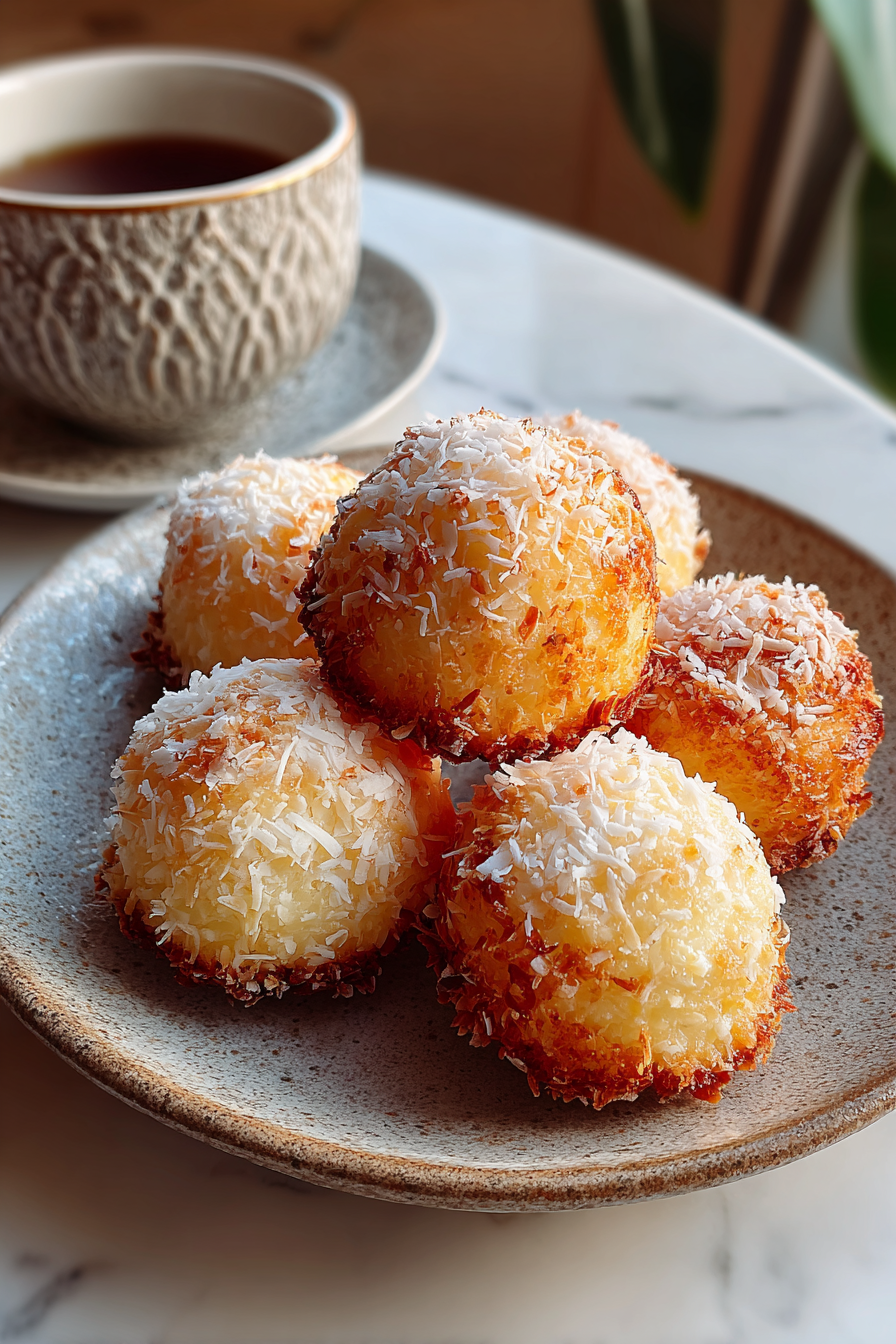
This easy coconut cake is my go-to when I want something that tastes like a tropical weekend but comes together on a weeknight. It’s tender, not too sweet, and studded with toasted coconut for crunch and warmth—comforting enough for an after-dinner treat, special enough for a small celebration. The trick is balancing the coconut flavor so it sings without overpowering the cake’s delicate crumb.
My husband practically does a two-step whenever I bring this out—half kidding, half earnest—and our daughter insists it’s the one dessert she’s allowed to request for birthdays. It became a staple after a rainy spring when I wanted a bright, cozy dessert; I made it three weekends running until neighbors started tipping their heads in at the door asking for seconds. Simple rituals—freshly toasted coconut, a quick drizzle of syrup between layers, and a slow slice with coffee—turned it into a small household tradition.
Why You’ll Love This Easy Coconut Cakes
– Light, tender crumb with a genuine coconut flavor that doesn’t feel cloying.
– Toasted shredded coconut adds texture and a toasty depth that feels grown-up.
– Uses everyday pantry staples with a couple of easy upgrades (toasted coconut, a splash of coconut milk) for an impressive result.
– Easily scaled up for company or scaled down for a quiet night in—keeps well without losing its charm.
Behind the Recipe
This cake comes from a few experiments where I chased that perfect balance of coconut flavor and tender cake. I learned that too much sweetened coconut can make the batter cloying, and that toasting the coconut separately gives the whole cake a nuttier, more complex note. Overmixing the batter is the most common trap—it tightens the crumb and steals tenderness—so I fold with a light hand. I also like to brush the cooled layers with a light syrup (sometimes a little coconut milk plus sugar) to add moisture and flavor without sogginess. For frosting, a whipped cream-style coconut frosting keeps the cake feeling fresh; a denser buttercream makes it more party-ready. Little touches—freshly grated lime zest, a scattering of macadamia nuts, or a thin layer of fruit compote—can elevate the cake without complicating the process.
Shopping Tips
– Baking Basics (Flour/Sugar/Leaveners): Use all-purpose flour for a reliable crumb unless you have a tested gluten-free blend; fresh baking powder gives the best lift.
– Fats & Oils: Butter provides richness and flavor; coconut oil will enhance the coconut character but may soften the texture slightly.
– Dairy: If you want extra coconut depth, swap some of the milk for full-fat canned coconut milk; for a lighter cake, plain milk or buttermilk keeps it tender.
– Eggs: Use large eggs at room temperature for better emulsification and a smoother batter.
– Nuts & Seeds: Toasted shredded coconut is essential—buy unsweetened if you prefer to control sweetness, and toast it yourself briefly for the best aroma.
Prep Ahead Ideas
– Bake the cake layers a day or two ahead, wrap them well, and store in the fridge or freeze between parchment—this makes assembly stress-free the day you serve.
– Toast the coconut and store it in an airtight container at room temperature for up to a week so it’s ready to sprinkle.
– Make the frosting a day ahead and keep it chilled; bring it back to room temperature and give it a quick whip before spreading.
– If you use a syrup to moisten layers, make and store it in the fridge; brush on just before frosting to prevent sogginess.
– Label containers clearly and use shallow, airtight tins for stacked layers to maintain shape.
Time-Saving Tricks
– Use pre-shredded unsweetened coconut if fresh shredding isn’t an option—toast it briefly in a skillet for fresh flavor.
– Mix dry ingredients in one bowl and wet in another to speed the process; fold gently to avoid overworking the batter.
– If you’re pressed for time, bake this as cupcakes or a single-layer sheet cake to cut assembly and cooling time.
– Keep mise en place: measure out your flour, sugar, and leaveners ahead of time, and have eggs warmed to room temp so they mix more smoothly.
– Letting the baked layers cool completely on a rack saves time later—if you’re impatient, chill them briefly to firm the crumb for easier trimming.
Common Mistakes
– Overbaking: I once babysat a timerless oven and came back to a dry cake; check a few minutes early and rely on a toothpick or gentle spring-back test.
– Too-sweet coconut: Using sweetened shredded coconut in the batter and on top can make the whole cake cloying—unsweetened is safer and toasting brings out the sweetness naturally.
– Frosting warm cake: I’ve frosted a still-warm layer and watched the frosting slide—always cool completely or chill briefly before frosting.
– Excess syrup: Adding too much syrup makes layers soggy; brush lightly and evenly to add moisture without drenching.
– Rescue: If a layer is slightly overbaked, a thin layer of frosting or syrup evens it out; if frosting breaks, chill it and re-whip briefly.
What to Serve It With
Serve slices with a simple cup of coffee, a scoop of vanilla or coconut ice cream, or a small bowl of macerated tropical fruit (pineapple or mango). For a more grown-up finish, a drizzle of rum caramel or a sprinkle of toasted macadamia nuts is lovely.
Tips & Mistakes
Keep flavors balanced: if you add citrus zest, do so sparingly so the zest brightens without competing. When toasting coconut, watch it like a hawk— it goes from golden to burnt very quickly. If the frosting feels too sweet, a touch of lemon juice or a pinch of salt can help.
Storage Tips
Store in airtight containers in the fridge. It reheats beautifully, but if you sneak a bite cold straight from the container, it still works. For longer storage, freeze individual slices wrapped tightly and place in a sealed container for up to 2 months; thaw overnight in the fridge.
Variations and Substitutions
– Swap some flour for almond flour for a nuttier profile, but expect a slightly denser crumb.
– Use coconut oil in place of some butter for a more pronounced coconut flavor, or go full butter for a classic cake texture.
– For a lighter frosting, try whipped cream stabilized with a touch of gelatin or mascarpone instead of buttercream.
– To make it gluten-free, use a 1:1 gluten-free baking blend and be aware the texture will be a touch different—usually a bit more fragile.
– If you love tropical pairings, add a thin layer of pineapple or mango compote; if you prefer restraint, keep the classic version.
Write me the frequently asked questions and answers Easy Coconut Cakes in the same way as the example below.
Frequently Asked Questions
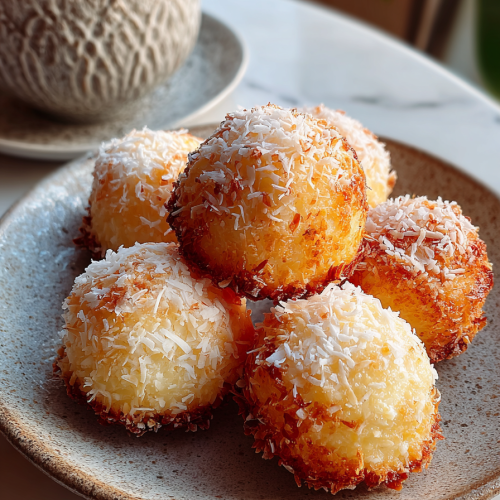
Easy Coconut Cakes
Ingredients
Main Ingredients
- 1.5 cups all-purpose flour Sifted for better texture
- 1 cup granulated sugar Adjust sweetness to taste
- 1 cup shredded coconut Sweetened or unsweetened as preferred
- 0.5 cup unsalted butter Melted and cooled
- 2 large eggs
- 1 tsp vanilla extract
- 1 tbsp baking powder Ensure it's fresh for best rising
- 0.5 tsp salt Balanced flavor
Instructions
Preparation Steps
- Preheat your oven to 350°F (175°C) and prepare a baking pan.
- In a large bowl, cream together the melted butter and sugar until light and fluffy.
- Beat in the eggs one at a time, then stir in the vanilla extract.
- In another bowl, mix together the flour, baking powder, salt, and shredded coconut.
- Gradually add the dry ingredients to the wet mixture, stirring until just combined.
- Pour the batter into the prepared pan and smooth the top.
- Bake for 20-25 minutes or until a toothpick inserted in the center comes out clean.
- Allow to cool in the pan for 10 minutes before transferring to a wire rack.